
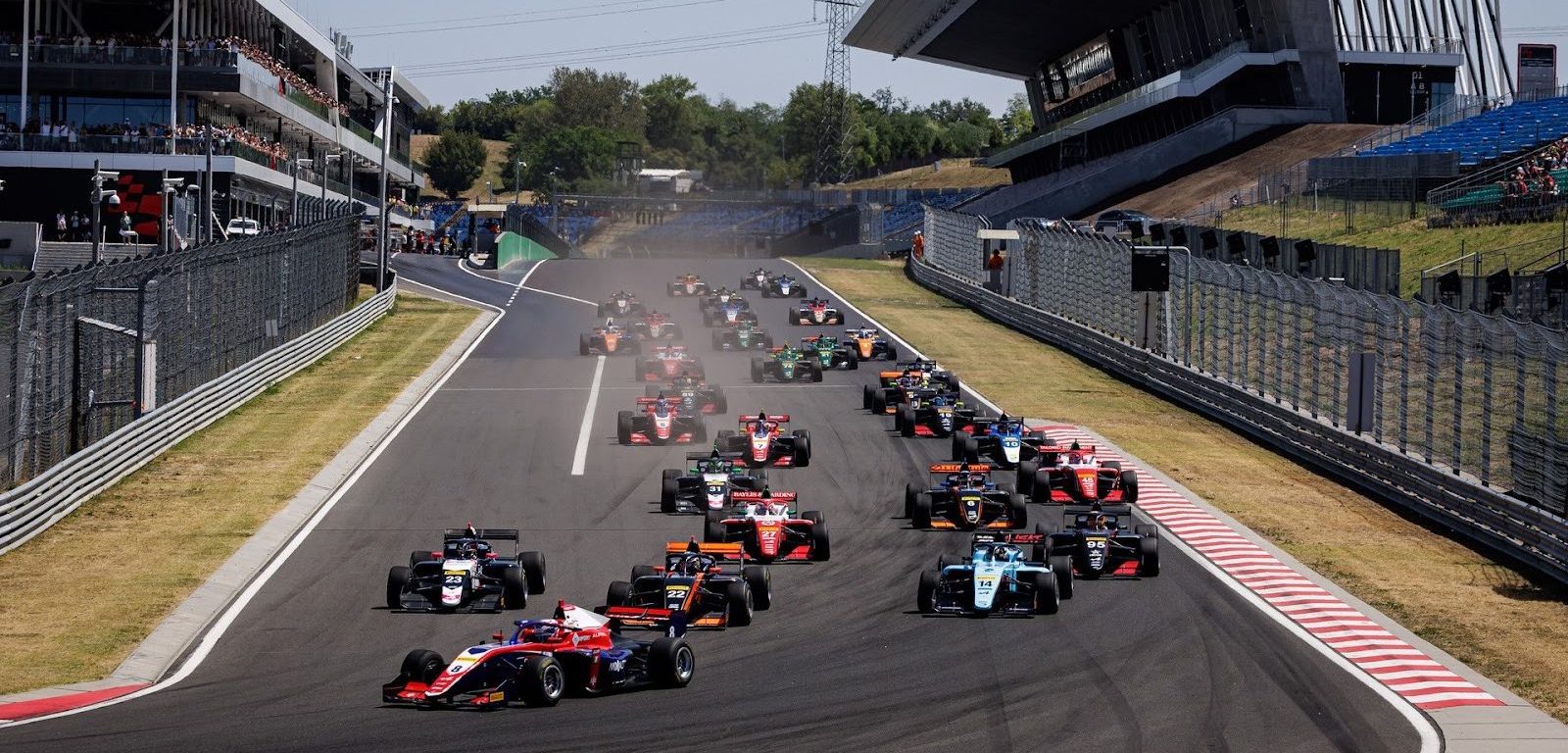
A new year is here, and with it comes change large and small to your favourite junior single-seater series. Wondering what’s new for 2026? Feeder Series is here to break it all down for you.
By Mitchell Ash and Maciej Jackiewicz
- Formula Regional: Debut of the second-generation car
- FIA Regional Trophy: A new compact championship format
- FR Europe: A championship overhauled
- Eurocup-3: New car and super licence points
- FR Oceania: Push-to-pass introduced, race weekend expanded
- F2 and F3: Grid penalty changes
- Ligier Junior Formula Championship: Two classes for 2026
- Nordic 4: New Aquila Formula Nova chassis
- FWS: Point deductions for technical non-conformities
- Indy NXT: Three IndyCar teams join the grid
- USF Pro: Changes to oval qualifying format
- New series for 2026?
Formula Regional: Debut of the second-generation car
By far the biggest change coming to feeder series racing for 2026 is the introduction of the second generation of Formula Regional machinery. So far, there are two constructors that have produced the new cars – Tatuus and Ligier.
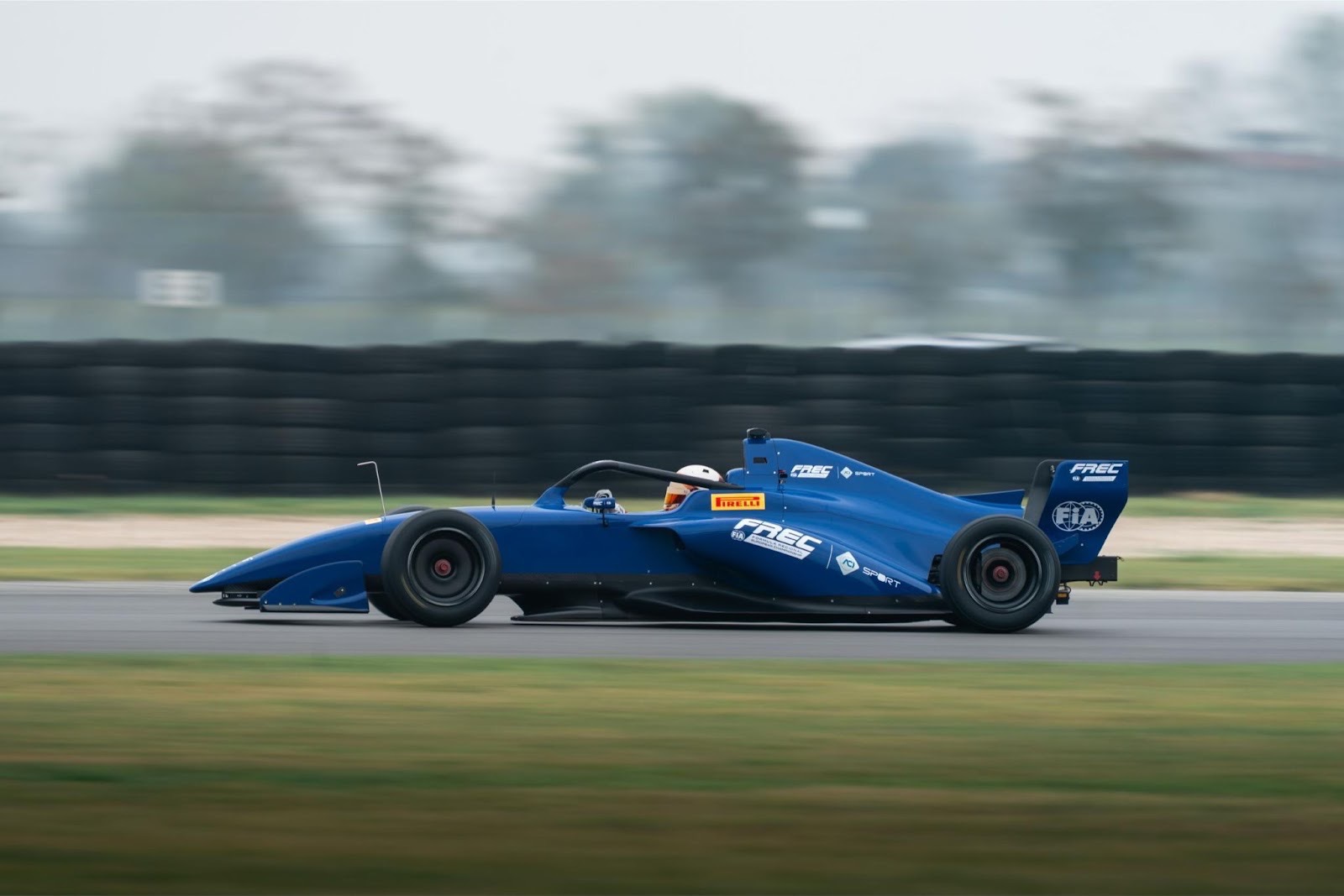
Tatuus has been the most popular first-generation constructor for official FR championships, with the T-318 being used in FR Europe, FR Middle East and the FR World Cup and the FT-60 being used in FR Oceania. The new Tatuus FR car, called the Tatuus T-326, features redesigned aerodynamics to help with overtaking as well as a new Toyota-derived engine built by Autotecnica, replacing the Alpine engine previously used in FR Europe. The car has already been tested on various Italian circuits by the likes of Marta García and Lorenzo Colombo.
In 2026, the Tatuus T-326 will be used by FR Europe and FR Middle East. The latter will also change from Giti tyres to Pirelli as part of the Italian company’s arrangement to be the tyre supplier for all FIA FR series using the second-generation chassis.
Ligier’s first-generation FR car, the JS F3 – used by FR Americas and other non-FIA-certified series in the United States such as the Formula Pro USA Western Championship – has a successor too, called the Ligier JS F326. The biggest change on the JS F326 in comparison to the JS F3 is the addition of a push-to-pass system, which is already present in the Tatuus machinery.
The car was already tested by Ligier development driver and former FR Europe competitor Enzo Peugeot at Barcelona and Nogaro, among other circuits. Nevertheless, Feeder Series understands that the new car is not expected to be used in any official FR championship in 2026, with FR Americas expected to stay with the JS F3 until the end of the year.
FIA Regional Trophy: A new compact championship format
The FIA has introduced the FIA Regional Trophy format for 2026, with condensed schedules and reduced super licence point allocations. A trophy series must consist of three or four events held in two consecutive months, with a minimum of nine races. Three series have changed to this format for 2026: FR Oceania, FR Middle East and F4 UAE.
These winter series have been a popular place in recent years to not just train for the upcoming seasons but also earn extra super licence points. A recent example is Arvid Lindblad, whose title-winning FR Oceania campaign in 2025 earned him enough super licence points to graduate to F1 this year. There are drivers further down the ladder who are already eligible for super licences too thanks in part to successful winter campaigns, including Freddie Slater, James Wharton and Ferrari junior Tuukka Taponen.
The FR trophies will award six super licence points to the champion, decreasing to one point for the sixth-place finisher. In other FR series, the champion earns 18, with points being awarded down to ninth. F4 trophies will award four points to the champion rather than 12, and only the top four finishers will earn points compared to the top seven finishers in F4 championships.
FR Oceania and FR Middle East will begin later this month in New Zealand and the United Arab Emirates respectively, but F4 UAE will take place in November and December, when Formula Trophy has traditionally run. January and February’s championship, once called F4 UAE and most recently known as F4 Middle East, has been renamed to the UAE4 Series and will not award super licence points.

FR Europe: A championship overhauled
Few things will stay the same in FR Europe compared to last year. In July, the championship was confirmed to be receiving full support from the FIA. The series will have organisational support from the federation instead of being just certified by it, similar to what FIA F2 and FIA F3 have now. The Tatuus T-318 will be replaced by the T-326, and with engine supplier and co-promoter Alpine leaving the series to make room for Toyota, the series will officially be called the FIA Formula Regional European Championship, or FIA FREC for short. (Feeder Series will retain the previously used Formula Regional Europe nomenclature for consistency with other FR-level series.)
The calendar has been trimmed from ten to eight rounds. Some of the rounds will feature an additional reverse grid race, held on Saturday with the top 12 from the first qualifying session reversed, although it is not yet known which ones will have them and how many of them will run. A similar weekend structure was already present for several Eurocup-3 rounds last year.
The sprint races will give out 10 points to the winner down to one point for the driver in 10th, following the same format as in F3’s sprint races. As in F2 and F3, there will also be two points awarded to the polesitter, except in the reverse-grid races, and one point to the driver in the top 10 with the fastest lap.
Since the series’ merger with Formula Renault Eurocup in 2021, teams could run a fourth car if it was piloted by a female driver. Now, there is a limit of three cars per team without any exceptions, which also means that there will not be wild card or guest drivers in 2026.
The teams’ championship will also change, with all three cars’ results counted towards it as opposed to just the top two as in years prior.
Last but not least, as a new FIA-run championship, the series will award penalty points to drivers in the same way as in F2 and F3. If a driver receives 12 penalty points in practice or qualifying, they will be suspended from the rest of the weekend, while if they cross that threshold during a race, they will not be allowed to take part in the next round. This also means that if a driver completes the FR Europe season without any penalty points, they will receive two additional super licence points.
Eurocup-3: New car and super licence points
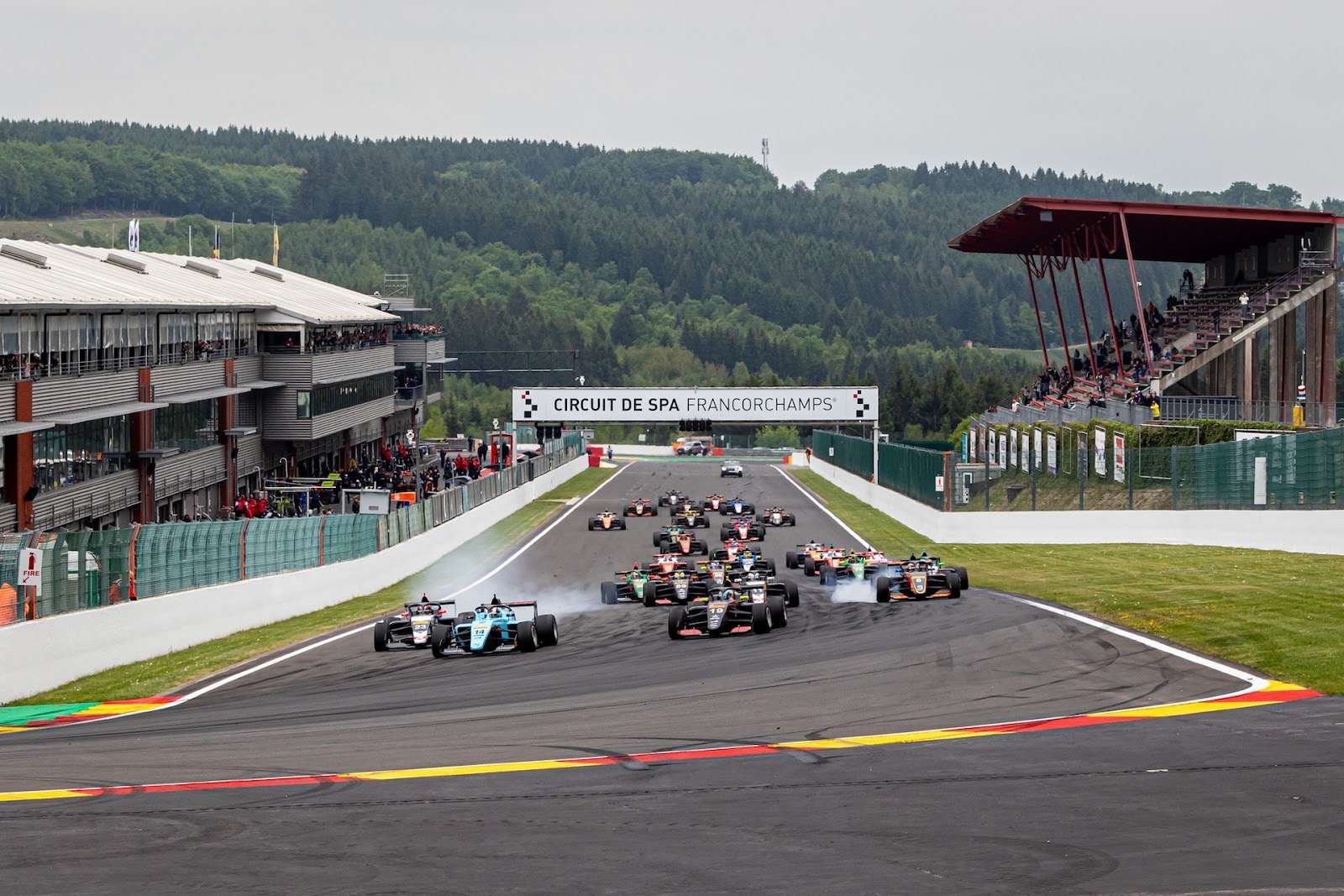
Since its inception in 2023, Eurocup-3 has utilised a modified version of the Tatuus T-318 known as the Tatuus T-318-EC3. The championship was originally set to remain with Tatuus for 2026 and adopt their new T-326, but it will instead switch to Dallara 326 machinery.
The new Dallara car is largely identical to the 324 already used in Euroformula Open and Super Formula Lights. This change is expected to have a significant effect on racing, as despite not having a push-to-pass system, the current Dallara chassis is widely regarded as being more conducive to side-by-side battles than the first-generation Tatuus FR car. Eurocup-3 teams received their first Dallara 326 cars in December, with several already completing initial tests at Barcelona.
Another change affecting Eurocup-3’s appeal is the addition of super licence points, which were not previously awarded. From 2026 onwards, the series champion will receive 10 points, with the fifth-placed driver earning one. This places Eurocup-3 on par with championships such as GB3, F1 Academy and USF Pro 2000 but below Euroformula Open and FIA-certified FR and F4 series.
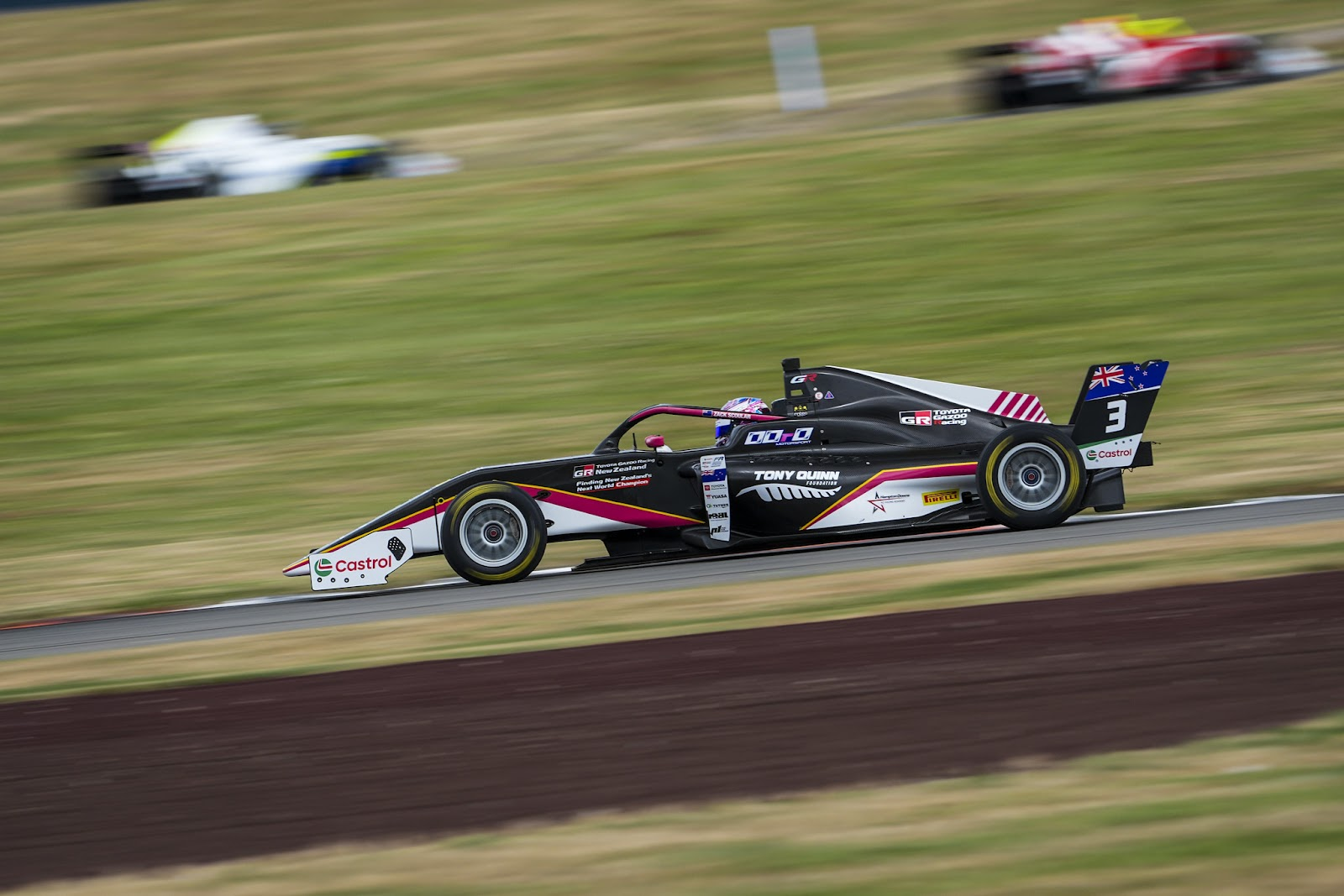
FR Oceania: Push-to-pass introduced, race weekend expanded
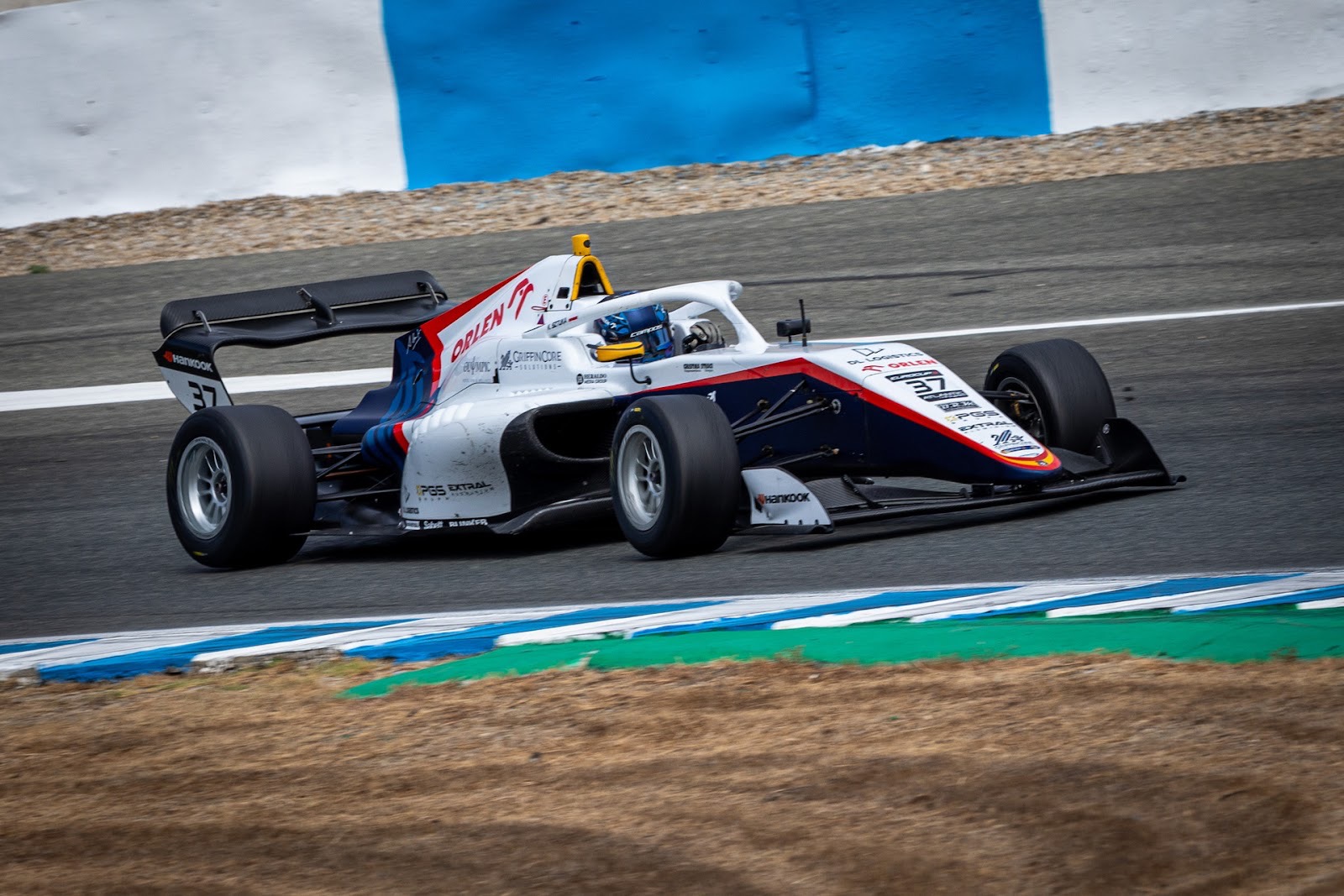
Another major change to FR Oceania is the introduction of a push-to-pass system, seen in top-level championships such as IndyCar and Super Formula. When activated, the maximum output of the power unit is increased by 25 horsepower, facilitating easier overtaking.
Limited overtaking ability has been one of the primary complaints about the current generation of FR cars – Oceania’s Tatuus FT-60 is similar to Europe’s Tatuus T-318 – so this change should promote close battles amongst the grid of drivers coming from F3, Indy NXT and more.
The system can be used six times per race, increasing to eight times during the feature race, for a maximum of 10 seconds per activation. Once used, there is a 100-second cool-down period before it can be activated again. Activation is permitted at any point on the circuit.
With the exception of the New Zealand Grand Prix, the final round of the series, there will be four races per weekend for the drivers to get acquainted with this system. Race four will be the feature race, with more laps than the first three races. The grid for the new race three will be set by drivers’ combined fastest laps from races one and two.
F2 and F3: Grid penalty changes
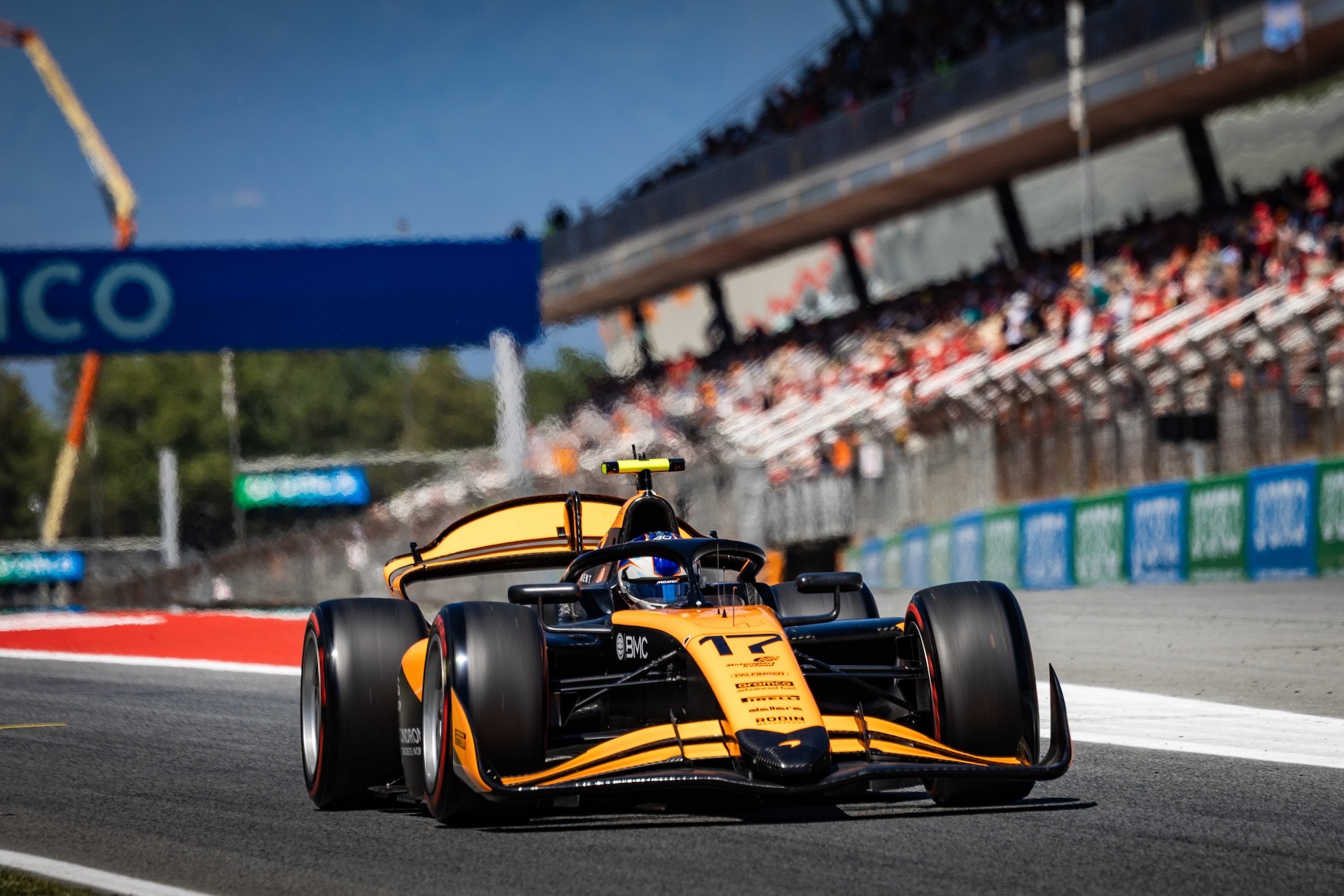
A standard rule across the majority of racing series is that if a driver is given a time-based penalty – usually five seconds, 10 seconds, a drive-through or a stop-and-go – but is unable to finish the race, the penalty will be converted to a grid penalty for their next race.
Previously in F2 and F3, if a driver was handed such a penalty in a feature race, the penalty would be carried to the following round’s sprint race. For 2026, however, the rule has been adjusted so that the grid penalty will now be served during the following feature race instead.
As the feature race awards more points than the sprint, the consequences for drivers are greater, particularly in F3, in which drivers usually do not stop to change tyres. In both F2 and F3, the two points for pole position are also awarded to the driver who starts the feature race from first position rather than the driver who sets the fastest time in qualifying, so the points would change hands if the fastest qualifier carries a penalty.
Ligier Junior Formula Championship: Two classes for 2026
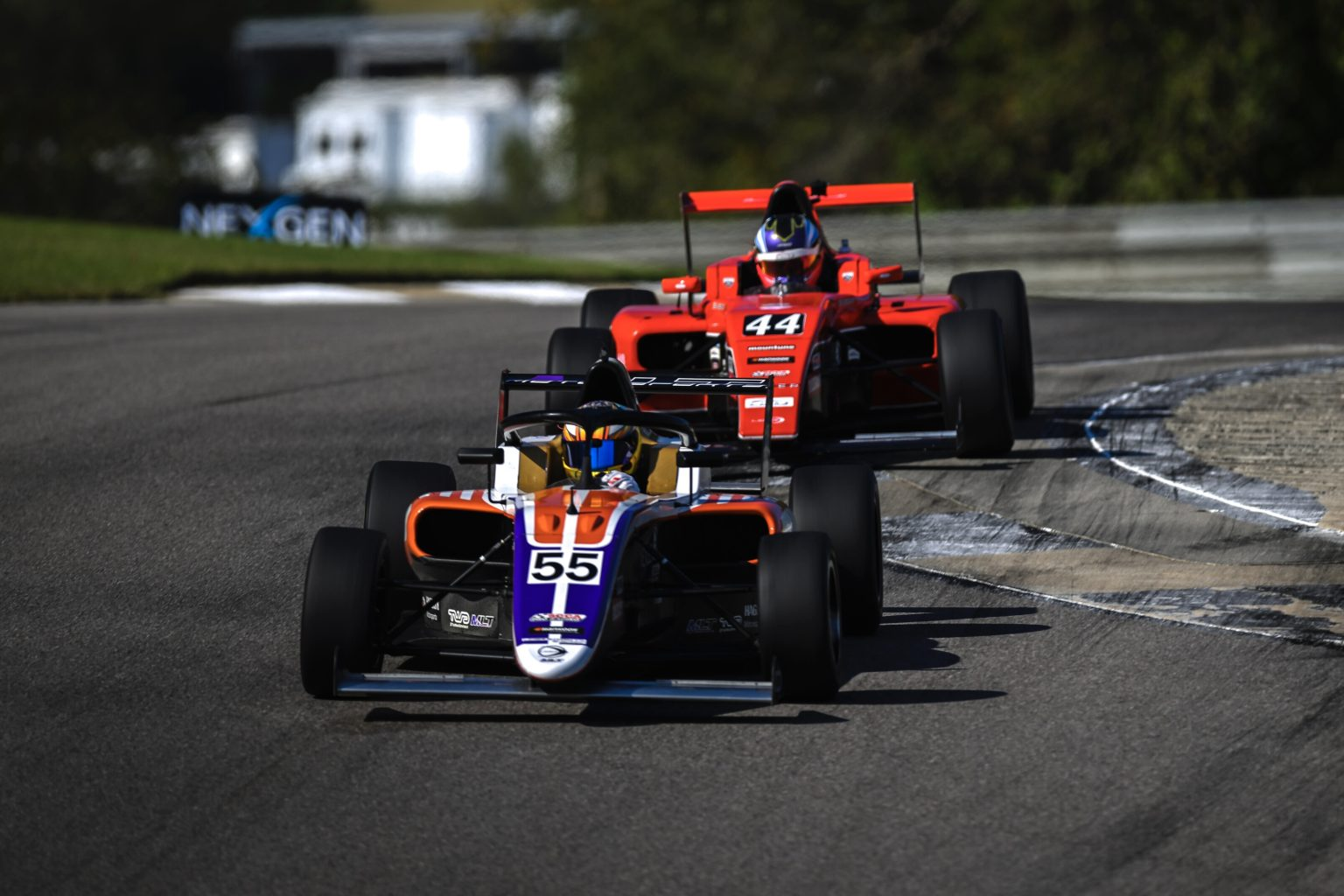
The Parella Motorsports Holdings–run Ligier Junior Formula Championship, which debuted in 2022 as Formula Development before reincarnating as Ligier JS F4 in 2024, is the lowest rung on the United States’ FIA-based ladder. Having run one class in first-generation F4 machinery for the previous two years, the series will expand to two classes in 2026.
The second-generation Ligier JS F422 has been used in F4 US since 2024. The FIA-sanctioned series, however, has been plagued with small entry lists in that time, with the 2025 grid only hitting double digits at one event. Now the F422 can also be used in Ligier JFC with minor changes to the electronic control unit and rear wing. Each class will have its own championship, and both champions will earn scholarships that include a one-year lease of a Ligier JS F422 to compete in F4 US in 2027.
Ligier JFC is not certified by the FIA, allowing the series to have a lower minimum age for driving F4 machinery than the FIA-mandated 15. The change to a two-class system provides a rare experience for 14-year-olds to experience a second-generation F4 car in race conditions, preparing them for F4 campaigns in America or beyond. It will not be the only such series, however, as Feeder Series understands that AU4 will consider admitting 14-year-olds with extensive karting experience into their Gen2 class in 2026.
Nordic 4: New Aquila Formula Nova chassis
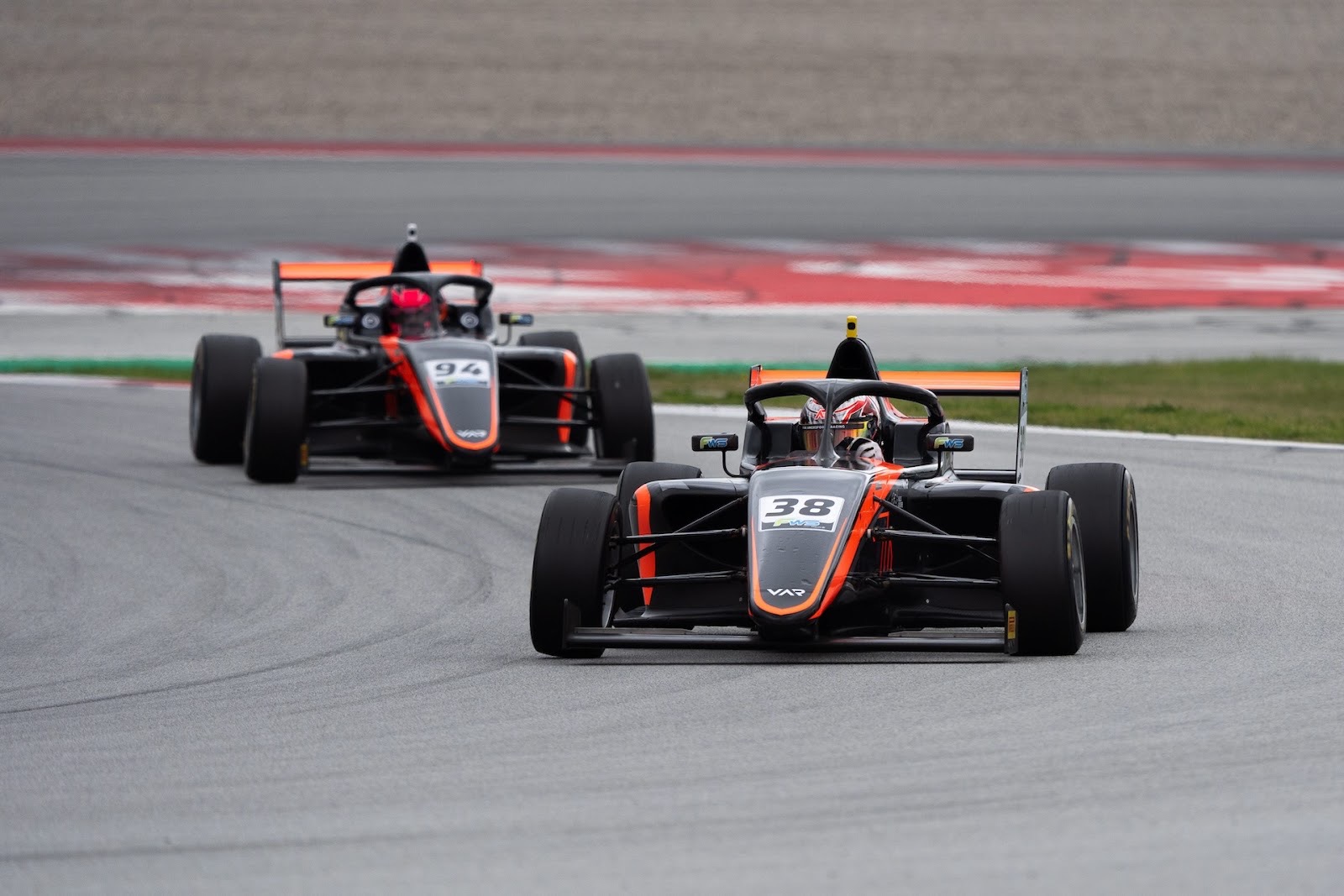
Denmark’s Nordic 4 series will move away from conventional F4 machinery in 2026, having used the Mygale M14-F4 since its first season as Danish F4 in 2017. The new car, the Aquila Formula Nova, is made by Danish company Aquila Racing Cars, aligning with Nordic 4’s goals to be a cheaper alternative to the FIA-certified F4 championships.
The engine, adapted from a Yamaha MT-09 motorcycle engine, will deliver 135 horsepower, and the car will weigh between 350 and 380 kilograms. The series expects it to be faster than current F4 machinery, a comparison that will be put to the test in October when the series makes its first visit to Zandvoort, where British F4 will race in July.
The car will also have a halo, which was not required on the first-generation F4 cars, as well as ground-effect aerodynamics.
Aquila also produces the Aquila Formula 1000 car and runs its eponymous entry-level racing series. The change of car has therefore generated interest within the Formula 1000 paddock, with two 2025 drivers and one F1000 team confirmed to be joining the 2026 Nordic 4 grid.
FWS: Point deductions for technical non-conformities
In 2025, Maxim Rehm was disqualified from the Portimão round of the Gedlich Racing–run Formula Winter Series for racing with brake discs that did not include the series-required logo. For 2026, the organisers have decided to double down on penalties for drivers whose cars do not meet the technical regulations.
Per the provisional sporting regulations, breaches that result in exclusion from a race will also carry a 10-point penalty in all relevant standings. If these policies had been in place in 2025, Rehm would have lost 30 points from his final tally of 89 and dropped from fifth to eighth overall.
Another rule introduced in FWS is the addition of separate rookie standings. So far, the series has decided their rookie champion by choosing the rookie with the most points scored in overall classification, similar to Spanish F4. FWS will now use a similar system to Italian F4, which has a separate championship with the same points system as the overall standings.
Indy NXT: Three IndyCar teams join the grid
With Chip Ganassi Racing having joined longtime competitor Andretti Global on the Indy NXT grid in 2025, it seemed that interest was growing around IndyCar’s primary feeder series. Since 2011, every champion of IndyCar’s second tier has graduated to IndyCar, with 2025 champion Dennis Hauger partnering with Dale Coyne Racing for 2026.
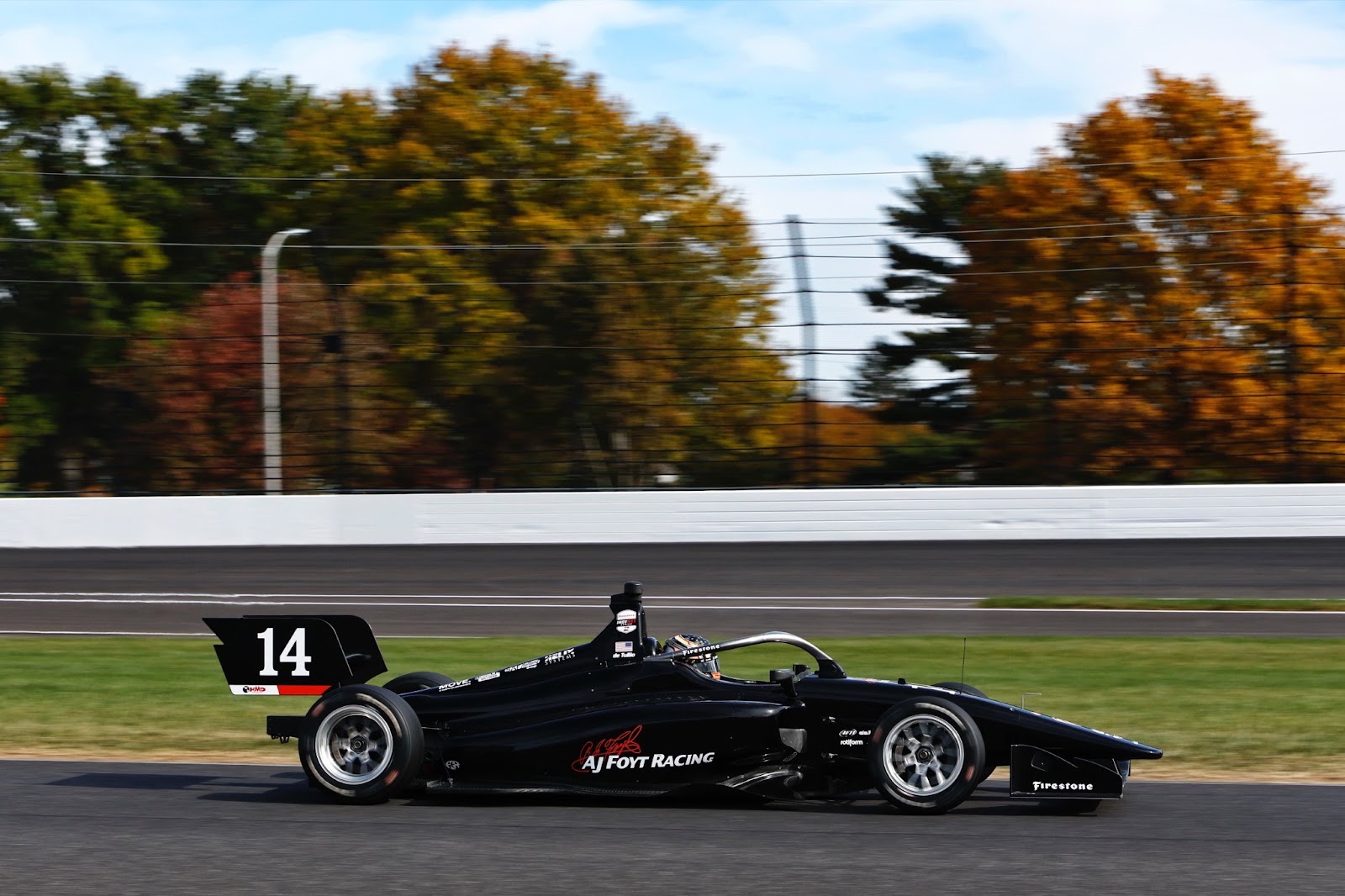
AJ Foyt Racing signed Indy NXT runner-up Caio Collet for the 2026 IndyCar season, and the Texas-based squad will run two cars of their own in Indy NXT in 2026 for Alessandro de Tullio and Nicholas Monteiro in a new partnership with Collet’s former team HMD. Indianapolis 500–only IndyCar entrant Cusick Morgan Motorsports will also partner with HMD to run cars for Nicolas Stati and Juan Manuel Correa.
Cape Motorsports, who ran as Andretti Cape in 2025, will now be partnered with Ed Carpenter Racing, with Nikita Johnson confirmed for one of their two cars. Having been absent from Indy NXT in 2025 despite having plans to field Paraguay’s Miguel María García, Juncos Hollinger Racing are also set to return to the grid.
Finally, Chip Ganassi will expand their Indy NXT team from two cars to four, with James Roe and Carson Etter confirmed to be joining returning drivers Bryce Aron and Niels Koolen.
The 2026 cars will feature a new six-speed gearbox made by Xtrac, who also provide the transmissions in IndyCar. The gearbox also features a new semi-automatic shifting system.
USF Pro: Changes to oval qualifying format
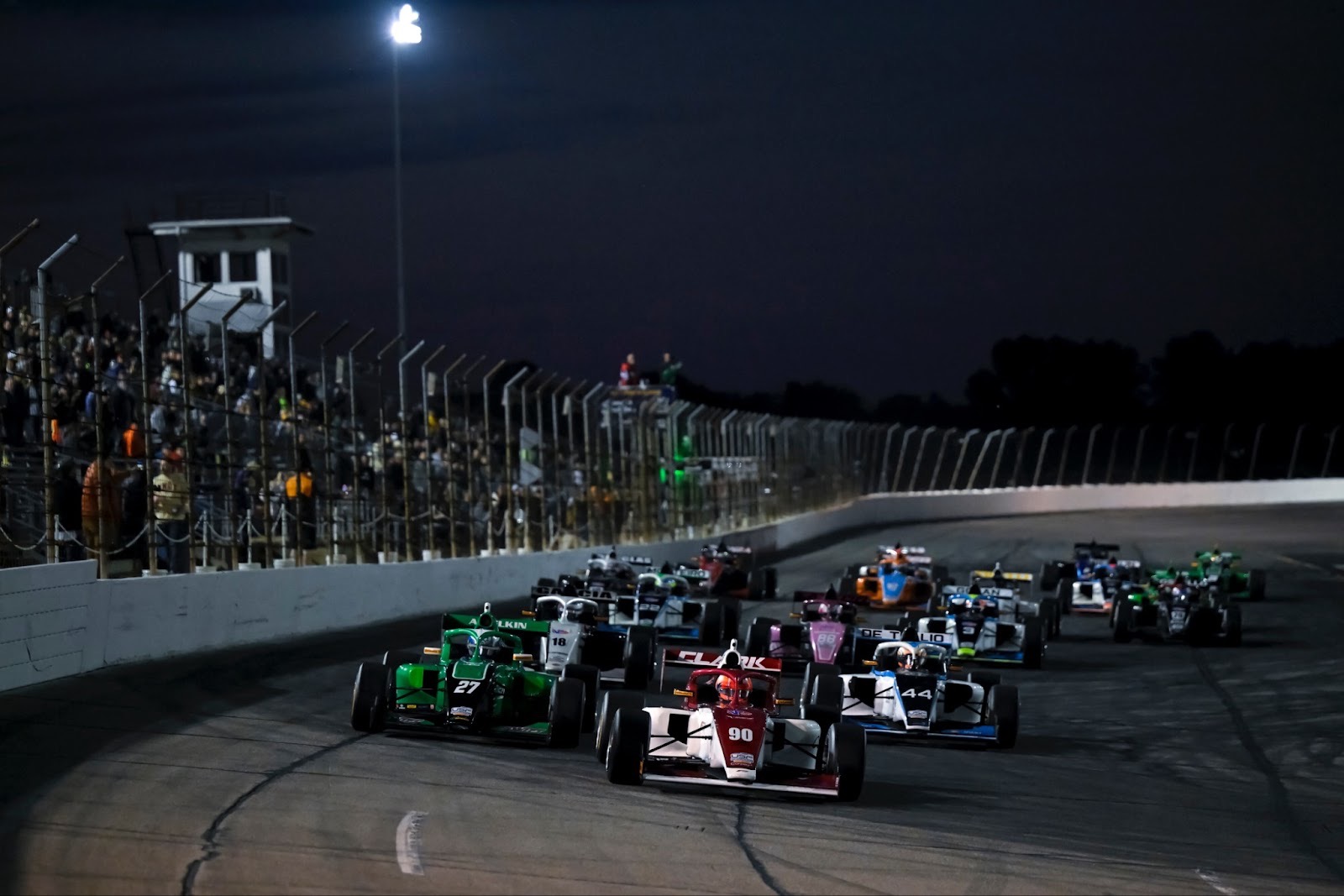
In 2025, USF Pro 2000 and USF2000 each held one oval round at the Indianapolis Raceway Park in May. This year, both series will return to IRP, and USF Pro 2000 will add a second oval round at the Milwaukee Mile.
In 2025, each driver’s qualifying attempt consisted of two full-speed laps of the oval with no other cars on track. The two lap times were added together, with the lowest total time earning pole position. IndyCar and Indy NXT use a similar system on ovals, albeit sorting drivers by average speed across the two laps rather than combined lap times.
The provisional regulations for 2026 change this rule. Drivers will still complete two laps, but only the fastest of the two will count, rewarding single-lap speed over consistency. This would have had an effect on both grids in 2025. In USF Pro 2000, Alessandro de Tullio would have started from pole and original polesitter Mac Clark from third, while eventual race winner Anthony Martella and polesitter Ayrton Houk would have swapped positions in USF2000. One point is awarded for pole position in both series.
New series for 2026?
While nothing has been officially confirmed, there have been talks about a number of new series that could race this year. The first is the debut of AU3, an FR-level counterpart to AU4. The series was set to begin in 2025, but delays in receiving the Tatuus FT-60 cars used in New Zealand’s FR Oceania meant the season was postponed and later cancelled altogether.
F4 Indonesia plans to make its debut this year, having received several Ligier JS F422 cars. Testing has been taking place at Mandalika, where the series will be based, with a number of local drivers taking to the track alongside 2025 French F4 race winner Rayan Caretti, a resident of Thailand.
Another planned addition is F4 Challenge Portugal, created by MDriving Race Academy. Testing took place in October and November at Estoril using the Mygale M14-F4, but only series manager Arya Rastgo has been identified inside the cockpit. If the series takes place, it will run alongside Porsche Sprint Challenge Iberica events.
The FIA Motorsport Games, a biennial event, is also due to return for 2026. No venue or dates have been announced, however, with the latest update from the FIA coming last April.
Header photo credit: Dutch Photo Agency
Make a one-time donation
Make a monthly donation
Make a yearly donation
Choose an amount
Or enter a custom amount
Your contribution is appreciated.
Your contribution is appreciated.
Your contribution is appreciated.
DonateDonate monthlyDonate yearly Feeder Series