
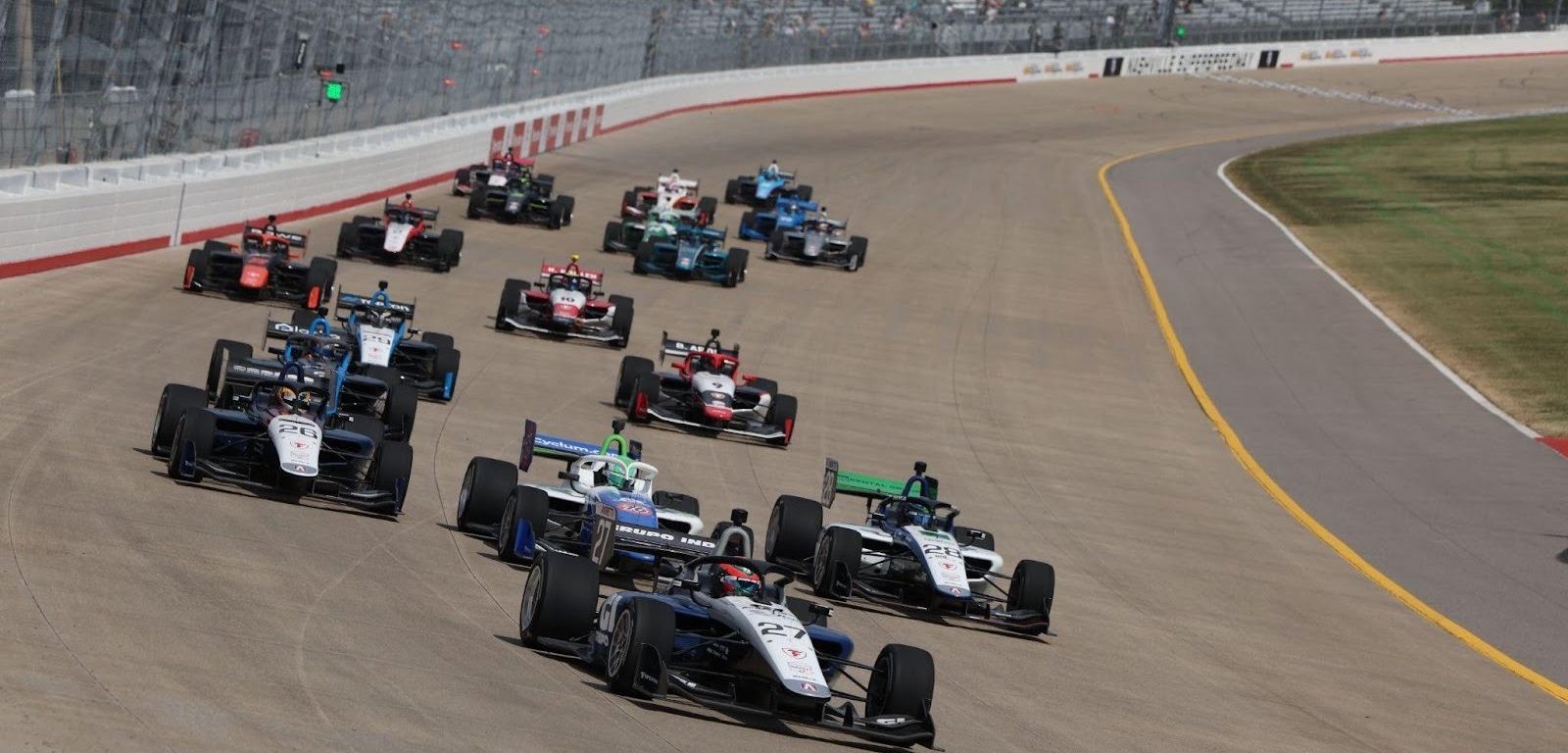
Next weekend, the 2026 Indy NXT season gets underway on the streets of St. Petersburg, Florida, with its largest grid in 17 years. But beyond the surge in entries in recent years, there are less visible factors quietly giving IndyCar’s premier feeder series the relevance it needs on the global motorsport ladder.
By Vincent van der Hoek and Michael McClure
Six years ago, in the winter of 2020, optimism surrounded the IndyCar Series. Penske Corporation’s takeover of the championship, the Indianapolis Motor Speedway, the Indianapolis 500 and IMS Productions ushered in hope for continued growth in grid strength, viewership and relevance. After the fractious, politically fraught seasons of the 1990s and 2000s, American open-wheel racing seemed to have stabilised.
Yet IndyCar’s primary feeder series had arguably never been in worse shape.
Indy Lights, as it was called at the time, endured a rough decade that grew especially dire by the end of the 2010s. Full-time entry numbers were dwindling, with a low point coming in 2018 when seven drivers – all from the Americas – completed the full season. A similarly bleak 2019 portended a poor prognosis for 2020, well before the COVID-19 pandemic caused the season to be cancelled completely.
At the end of the 2021 season, Penske Entertainment acquired the series from longtime promoter Andersen Promotions and IndyCar took full control as sanctioning body, putting Penske in charge of running and promoting both series. This increased alignment led to further growth.
In 2022, the first year after the change, the field consisted of 14 cars, with 11 drivers completing the full season. In 2023, the first season under the new Indy NXT moniker, the grid size ranged from 15 to 19 depending on the round. The season openers in 2024 and 2025 both broke 20 cars. A total of 24 are expected to take the green flag on 1 March at St Petersburg, where the 2026 season – with 17 races, the series’ longest since 2021 – will commence.
That tally means the series is set for its biggest field since the Kansas round in 2009, held barely six weeks after this season’s youngest driver, Max Garcia, was born.
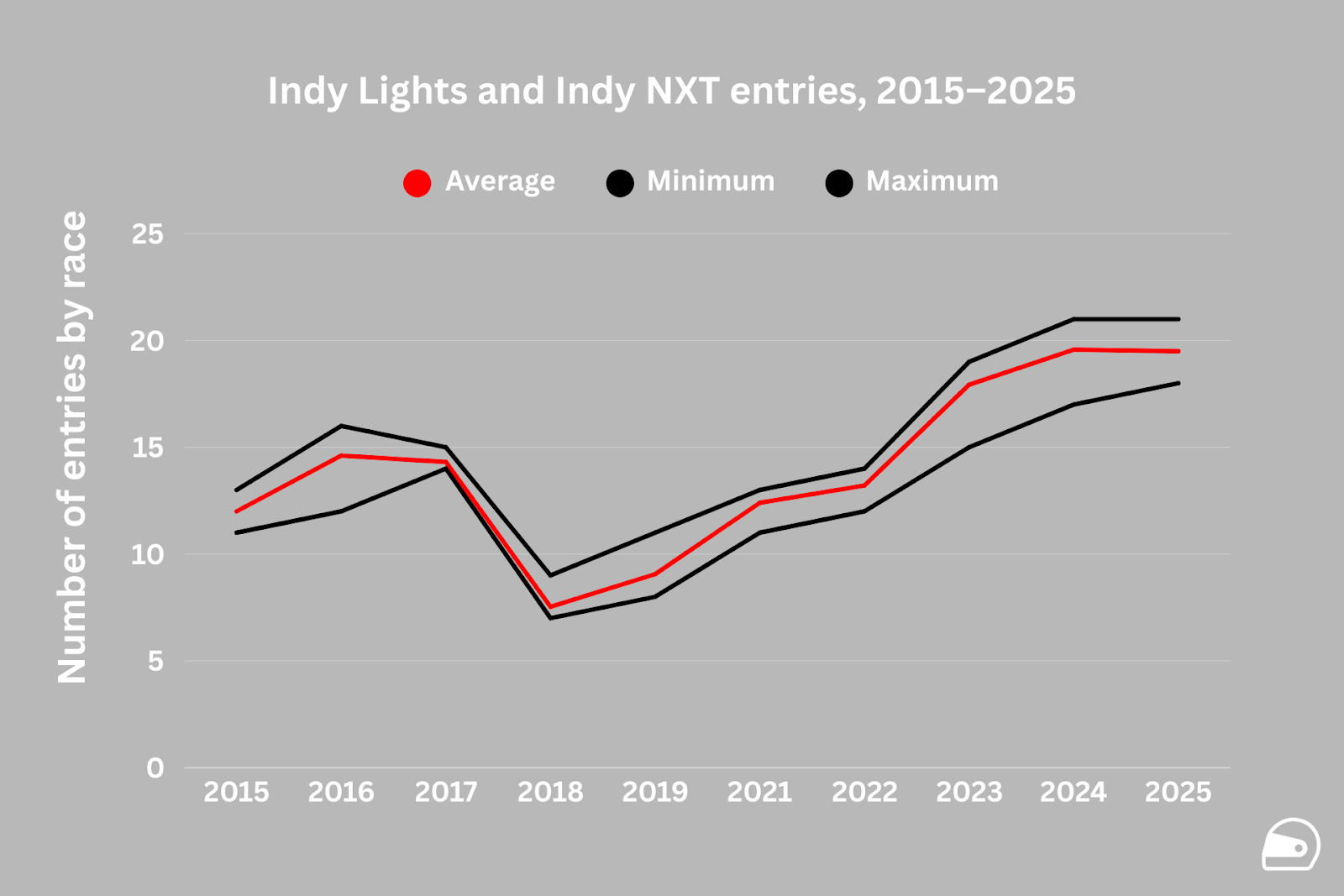
It’s a renaissance that, at the start of the decade, many would have considered improbable if not impossible. At heart, it shows how IndyCar teams have become more willing to develop talent through Indy NXT in recent years, which has also given younger international talent more opportunities to adapt to the American style of motorsport before being thrown into IndyCar.
The increasingly global composition of the driver line-up is a clear reflection of the series’ stature with overseas competitors. One-third of the 2026 grid hails from outside the Americas, and several more Americans have returned stateside after years-long forays in Europe.
There is, for example, Polish 19-year-old Tymek Kucharczyk, the 2025 Euroformula Open champion, and his 18-year-old HMD Motorsports teammate Jack Beeton, who won the 2023 F4 SEA championship close to his native Australia. Several other prominent names from European single-seaters – 2022 F3 champion Victor Martins, 2024 F3 race winner Sami Meguetounif, 2023 FR Oceania champion Charlie Wurz among them – have sampled Indy NXT machinery in the past month.
The growing international interest in American open-wheel racing comes as many young drivers – even some from privileged backgrounds – reckon with the realities of the modern F1 ladder.
“Formula 1 is just impossible nowadays, unless your dad, your family are super wealthy. It’s all money, money, money,” says Lochie Hughes, last year’s third-place finisher in Indy NXT. “It’s a big reason I went to America from day one. You can actually make something happen here.”
Hughes started his single-seater journey back home in Australian F4 and took a runner-up finish in 2019, but when COVID-19 hit, his options dried up, forcing him to take two years out of competition. Moving to the United States, initially to F4 US and later to the formal IndyCar ladder, reinvigorated his career.
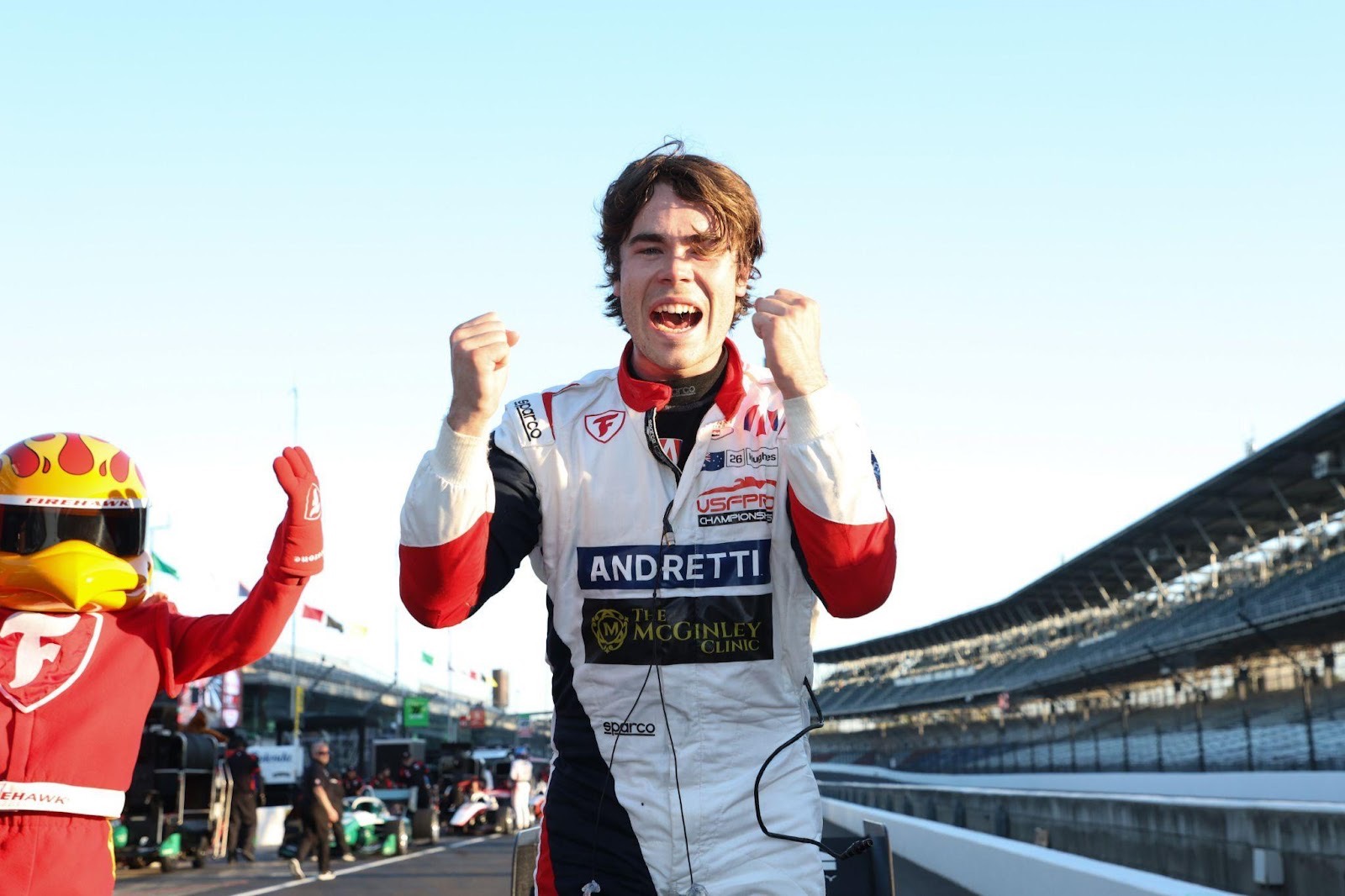
In his response to Feeder Series at Indy NXT’s annual content day earlier this month, Hughes does not specify what it means to ‘make something happen’ for him. But a clear factor in his own trajectory is the prize money drivers receive when they win championships on the IndyCar ladder.
“I wouldn’t have been racing Indy NXT last year if it wasn’t for the scholarships. That’s something no [other] series in the world has, which is very special,” Hughes adds.
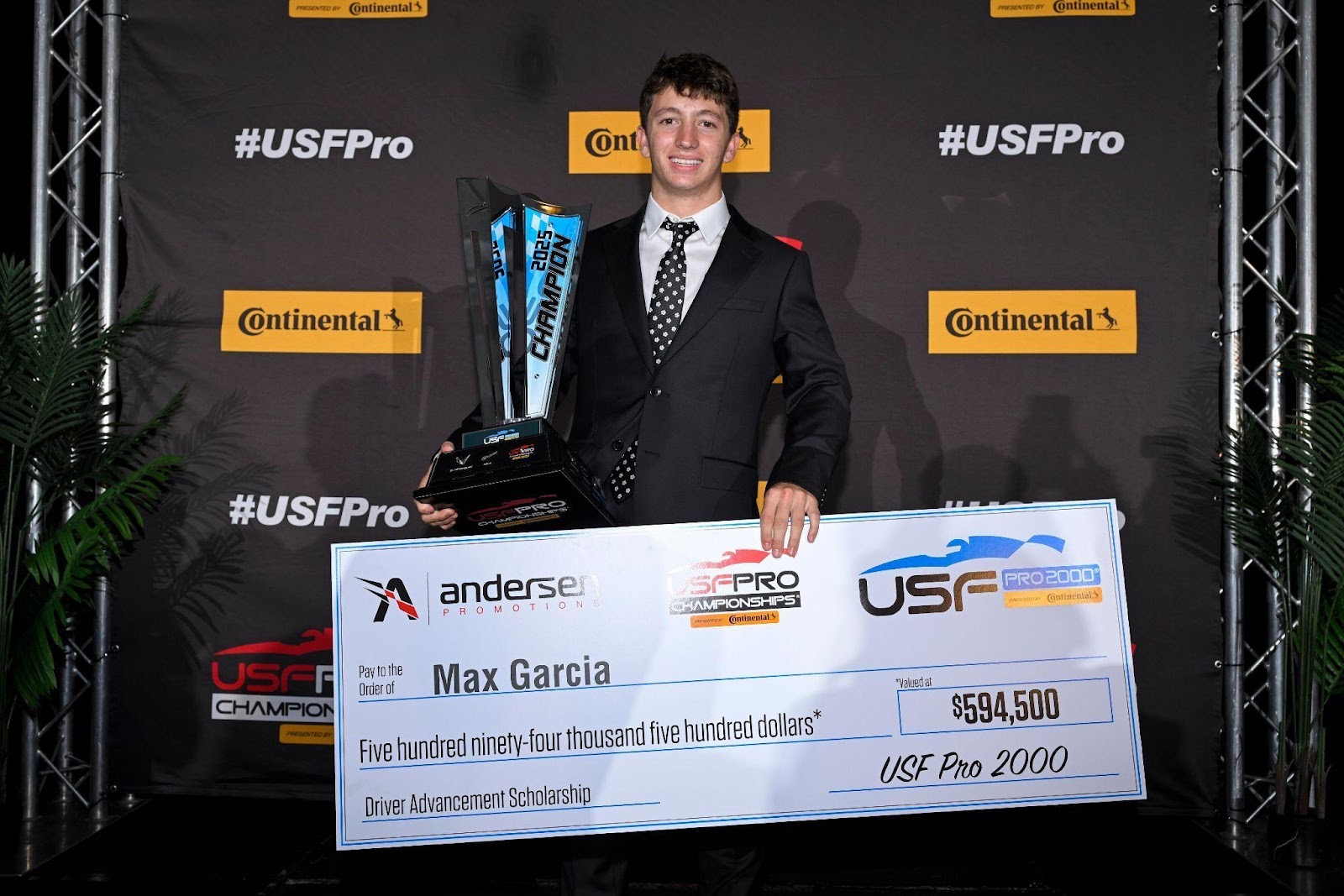
When Hughes won the USF Pro 2000 championship in 2024, he earned himself a scholarship of $681,500 to aid his progression up the ladder to Indy NXT. The champion in Indy NXT gets a scholarship, valued last year at $850,000, to cover two IndyCar tests, an Indianapolis 500 appearance and an entry for one more IndyCar race. (Information about the 2026 scholarship prize has not yet been released.)
A driver who wins all four series on the IndyCar junior ladder could theoretically earn prizes exceeding $2 million. The individual amounts, never mind the combined sum, are practically unheard of elsewhere in junior single-seater motorsport. On the whole, the stability of the scholarship programme – only in 2022, the first year after Penske’s takeover, was the Indy Lights champion’s package substantially and controversially slashed – has given drivers a guarantee that their success will be materially rewarded.
While IndyCar’s feeder series have had the scholarship system for many years, other series are taking note. In 2025, F3 announced a new combined €1 million prize fund, its largest ever, to aid the top five of its drivers who are stepping up to F2 the following year. The record prize package, however, may not even cover 10 percent of the costs of a seat, which often run into the millions of euros.
The prize money is not the only reason for the increased interest. After all, only one driver can win the full package. The wider appeal of the IndyCar path – and by proxy Indy NXT – comes in part from the new lease on life it offers to drivers who have gotten stuck somewhere along the F1 ladder. Christian Lundgaard, Marcus Armstrong and Callum Ilott – all top-rated prospects at the turn of the last decade – did multiple seasons of F2 before making the switch directly to IndyCar.
Of course, landing a seat in the top flight is never a guarantee, nor is it realistic for those without the results, experience or funding to justify an immediate professional seat. Instead, several of these highly rated European talents have instead targeted Indy NXT as a way to build their futures.
Caio Collet moved to Indy NXT in 2024 after three years in F3. Dennis Hauger, the 2021 F3 champion, did so the following year after three years in F2. And this year, Enzo Fittipaldi – the brother of former IndyCar driver Pietro Fittipaldi and a two-time F2 race winner himself – will return to the United States as he aims to become the fourth Fittipaldi to race in premier American open-wheel competition.
In the case of Hauger, the reigning champion, Indy NXT was a way to rebuild his career after three tough seasons in F2 derailed his F1 ambitions. Andretti Global gave Hauger a chance, and he responded by winning the Indy NXT title in dominant style, defeating former F3 rival Collet and earning a Dale Coyne Racing IndyCar seat for 2026.
“The level felt really high, fighting with Collet. Honestly, it was about bringing the experience I had and try to make it as good as possible,” Hauger told Feeder Series last month at the Miami E-Prix. “It was a nice restart, a refreshing restart for me, so it was really good and it gave me the opportunity to go to IndyCar this year. I’m super happy about the choice I made.”
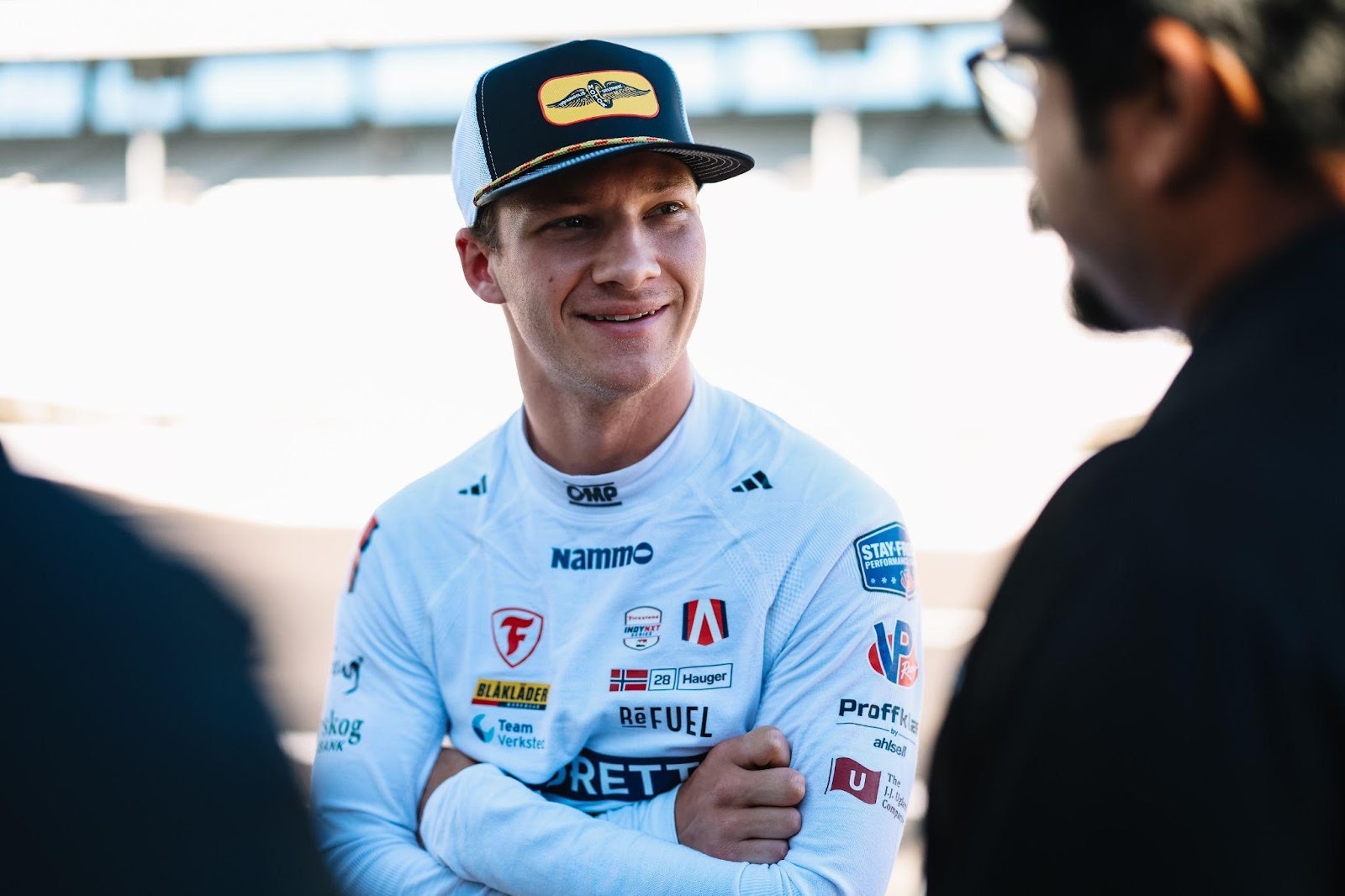
For others, it’s never really been a choice between Europe and America. Max Garcia, who won USF 2000 and USF Pro 2000 in back-to-back seasons, has always seemed destined for IndyCar. Myles Rowe, the 2023 USF Pro 2000 champion who will enter his third Indy NXT season this year, has likewise been set on the stateside path since he stepped into single-seaters. The influx of international drivers may not directly affect their career trajectories, but it gives them loftier benchmarks to reach, thereby elevating their performance level and that of the series as a whole.
Even Hauger, whose biggest rival in 2025 was a fellow European convert, noted the strength and depth of the Indy NXT grid in 2026. “There are a few new guys that make the level good now this year … Enzo, Max Garcia and some others,” he said. “It should be interesting to see who comes out on top.”
In some ways, the depth and breadth reinforce one another. One entity, however, has played an outsized role in setting this positive feedback loop in motion: HMD Motorsports, the series’ behemoth squad that supplied as many as 10 cars in 2024.
The team as it is known now only came to exist in 2019, set up by Henry Malukas to help his son David reach IndyCar. The now 24-year-old finished as the runner-up in 2021, moved to IndyCar with Dale Coyne Racing the next year, and – after a few team changes – has now earned a seat at Team Penske for 2026. HMD, meanwhile, have stayed the course in the second tier and given other drivers an opportunity to ascend just as a young Malukas once did.
Rule changes ushered in for 2026 have caused the HMD squad to be reduced to four official entries. Partnerships with Cusick Motorsports and AJ Foyt Racing, however, mean eight cars effectively still fall under the HMD umbrella.
The additions of Foyt and Cusick, who both race in IndyCar, suggests that they offer more than just a clever workaround for HMD to maintain its roster depth. The buy-in from Indy NXT teams into the top flight is now being reciprocated by their IndyCar counterparts, who have reached down and found a genuine pipeline for their own teams.
Some of these developments have already borne fruit. In the 2010s and early 2020s, Andretti have been the preeminent member of the IndyCar brigade within the second tier, powering five of the last seven drivers’ champions and helping several of them earn IndyCar placements. Hauger remains closely affiliated with Andretti despite being contracted to Dale Coyne Racing – his recent Miami E-Prix free practice appearance being clear evidence of that. And after finishing as 2025 runner-up, HMD alumnus Collet landed a race seat at Foyt’s team, replacing Malukas.
Going forward, the possibilities for professional affiliations are seemingly ever greater.
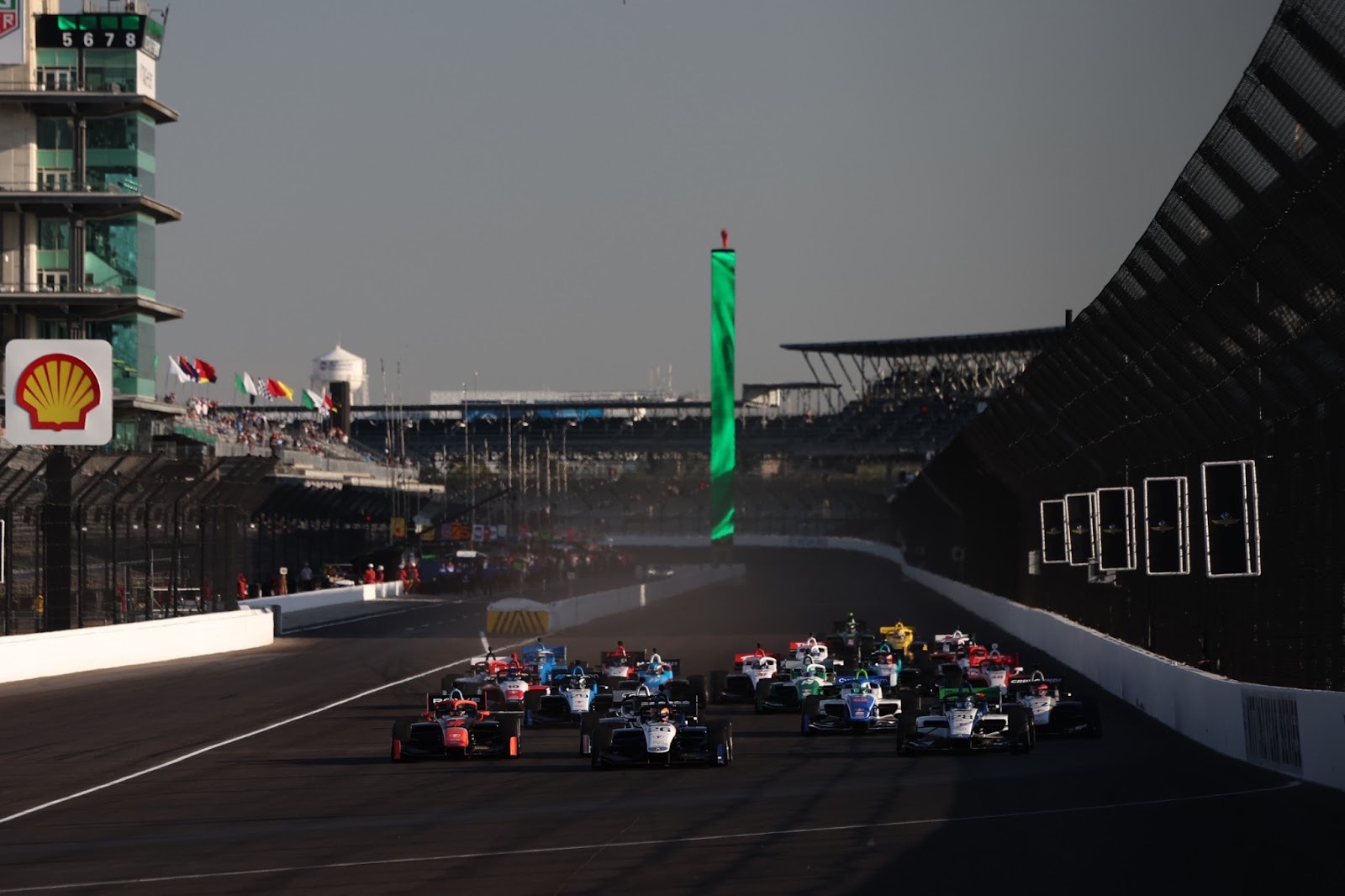
Last season, Chip Ganassi Racing returned to the series for the first time since 2008. This season, alongside the debut of AJ Foyt Racing, Ed Carpenter Racing will appear for the first time thanks to their partnership with Cape Motorsports, formerly allied with Andretti. This means that of the eight teams active in Indy NXT currently, six are IndyCar teams, and the other two – HMD and Abel Motorsports – have been present via partnered entries for their owners’ sons.
The pipeline to IndyCar has, unsurprisingly, produced some of its best talent over the last few years. Race winners such as Colton Herta, Pato O’Ward, Rinus VeeKay, Kyle Kirkwood and Christian Rasmussen have proven that success in Indy NXT gives a driver an excellent chance at making a good career in IndyCar, and five of the last seven second-tier champions are still racing in IndyCar in 2026. With the bigger, stronger grids of today, those who succeed will be even better prepared for the demands of professional open-wheel racing in the long run.
The series’ last two champions, Hauger and Louis Foster, were the clear favourites in their title winning-years, but designating a standout favourite from the 2026 grid is more challenging. Hughes is the highest-placed returnee, having impressed in his rookie season by ending the year in third. Abel’s Myles Rowe and HMD’s Salvador de Alba, who finished directly behind him, have made steady progress and enter their third years in the series with wins in hand. Rookies like Garcia, Max Taylor and Kucharczyk are coming in with pedigree on their side and points to prove.
The true competitiveness of Indy NXT’s 2026 grid will only be known once the season hits full swing, but what we’ve seen so far is promising. While its rivals grapple with mounting costs and declining relevance, Indy NXT seems to have found its feet, and it has never been more well equipped to deliver great racing and junior champions prepared for professional stardom.
Header photo credit: Joe Skibinski / Penske Entertainment
Make a one-time donation
Make a monthly donation
Make a yearly donation
Choose an amount
Or enter a custom amount
Your contribution is appreciated.
Your contribution is appreciated.
Your contribution is appreciated.
DonateDonate monthlyDonate yearly Feeder Series