
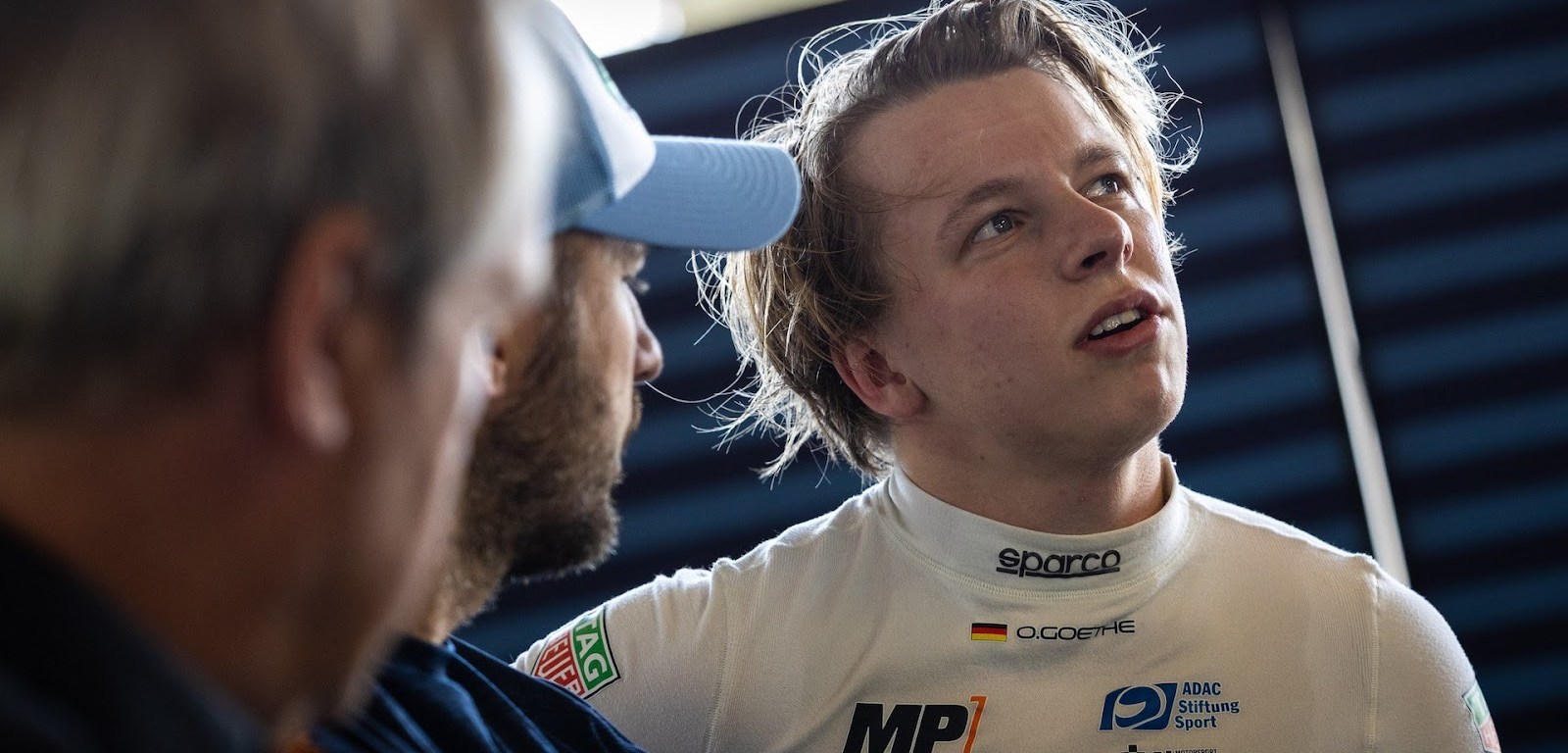
Eleven full-time 2025 drivers are returning to the Formula 2 grid in 2026, six of them at new teams and five in familiar surroundings, and their experience will be one of the defining storylines of the season. As they oppose a new generation of rookies, can their continuity and hard-earned lessons give them the edge?
By August Bamford
For some, stability may prove decisive. Drivers such as Oliver Goethe and Cian Shields enter the season deeply embedded within their teams, armed with a clearer understanding of both their packages and the demands of F2.
Others have opted for change. Dino Beganovic, Gabriele Minì, Kush Maini and John Bennett all begin new chapters in different environments, hoping that a fresh start will unlock the results their performance often hinted at but rarely fully delivered in 2025.
Despite differing paths, these drivers share a common motivation. Many arrived in F2 expecting stronger results than their final position in the standings reflected. Each showed flashes of speed, but the step from promising contender to complete driver – and ultimately championship challenger – demands consistency across an unforgiving season.
History suggests that significant progress in a follow-up campaign is far from uncommon. Last year, Rafael Villagómez transformed his fortunes, rising from being the lowest-placed full-time finisher in 2024 to scoring two podiums in 2025. Pepe Martí similarly surged forward, climbing from 14th to eighth in the standings with three victories. That momentum ultimately earned him a move to Formula E with Cupra Kiro.
In a sport in which the latest result can shape perception overnight, the 2026 season offers returning drivers a crucial opportunity to rewrite narratives and refine their craft.
Last year, Oliver Goethe finished just 15th in the championship despite driving for an MP Motorsport team that propelled Richard Verschoor to title contention. Goethe qualified inside the top 10 in five of the final six rounds, even taking his maiden F2 pole position in Lusail before a grid penalty demoted him. Those improvements made during the second half of last year have given him confidence that a more complete campaign is within reach, provided he can bring every part of the weekend together.
“Last year was a bit of a strange season,” Goethe told Feeder Series. “I started off missing quite a lot of pace in qualifying, but that really improved throughout the year. My goal is to continue with that momentum. The last few rounds, even the whole second half of the season, I had really good pace. I didn’t really maximise the results. There were moments of bad luck, but also some mistakes which cost results, but the pace was definitely there.
“So I’m just looking to build on that momentum, continue this strong qualifying, and then maximise the results in the races. I think I have a really good chance to fight at the top of the championship if I’m able to do that.”
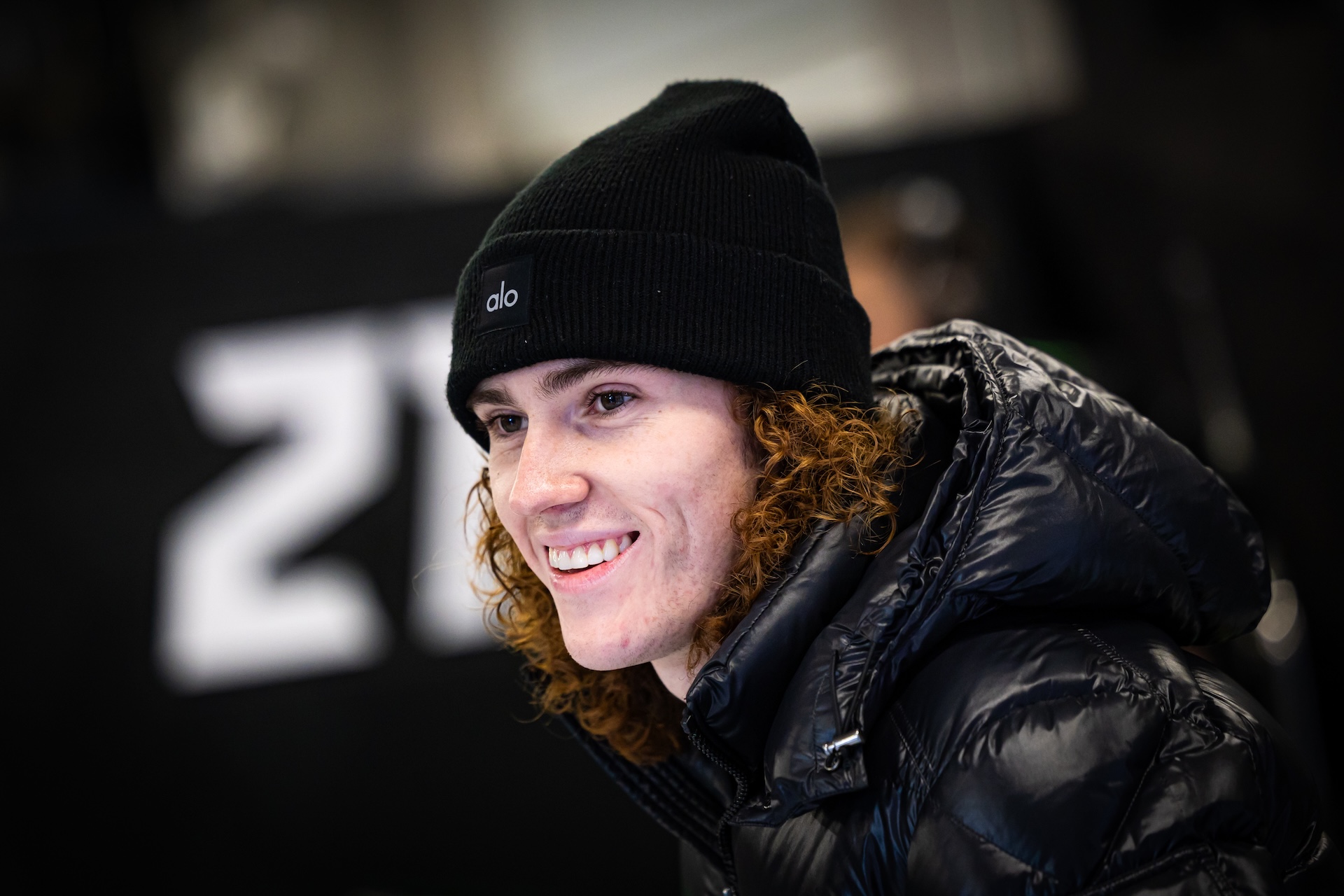
But not every returning driver enters 2026 from a position of momentum. Cian Shields will be aiming to move beyond a difficult 2025 campaign that saw him finish last among the full-time drivers.
For Shields, the priority is clear. Qualifying proved to be his greatest weakness in 2025, with a best qualifying position of just 19th on the grid leaving him on the back foot, even during weekends when his race pace showed clear progress. Over the off-season, much of his preparation has centred on addressing that limitation.
“We’ve had quite an extensive winter programme pretty much fully focused on that side of the weekend – qualifying,” he said. “The race pace improved, and the race pace hasn’t really been an issue. Even in the postseason testing we’ve done, it’s also been a big improvement. Over the whole winter, we’ve been doing some days in the old car and everything has been pretty much focused on the qualifying pace and the one-lap outright pace. It’s been a focus that we’ve worked on, and I think we’ve made pretty big improvements to go into this year.”
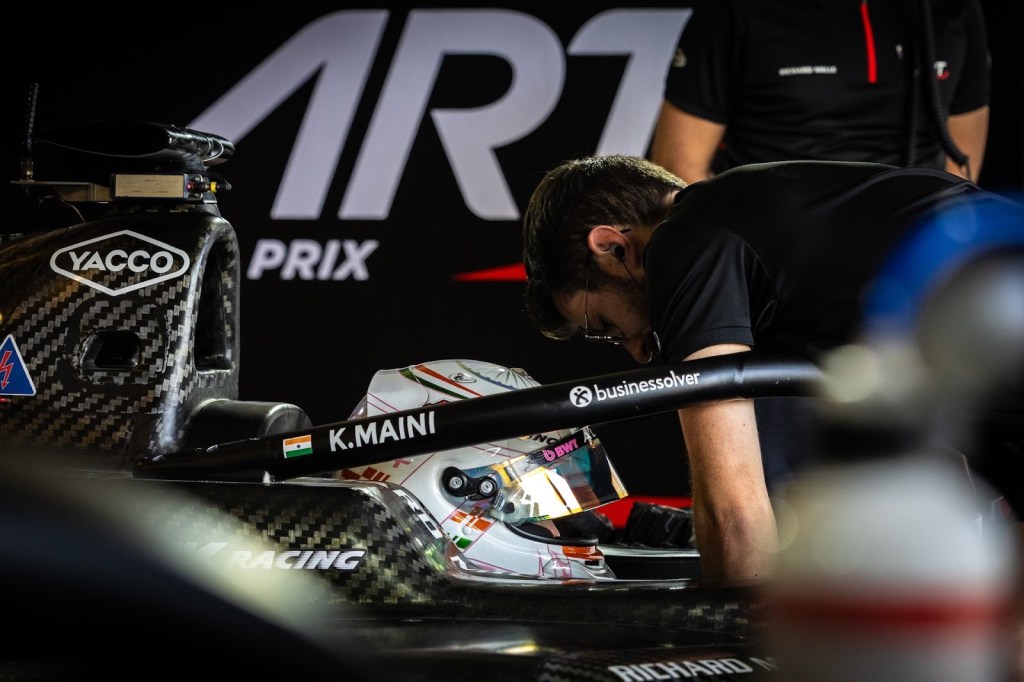
While Goethe and Shields benefit from continuity, Kush Maini enters 2026 from the opposite perspective, beginning his fourth year in F2 with a fourth different outfit. It has now been two seasons since his strongest performance in the category, and the Indian driver is determined to rediscover the form that earned him a place in the Alpine Academy back in 2023. Since finishing 11th as a rookie with Campos Racing, Maini’s championship results have trended in the wrong direction, slipping to 13th with Invicta Racing in 2024 and 16th with DAMS last season.
Maini also believes a fresh start with ART Grand Prix provides the environment needed to reset his trajectory. It is a partnership through which both driver and team aim to elevate one another. Maini brings strong feedback and top team experience among the current drivers, while five-time second-tier champions ART offers a proven track record of developing elite talent and delivering championship success.
“Fourth year, four different teams. I don’t think many people have done that,” he reflected. “My first year was very strong; second year started strong and then went a bit downhill; and last year was just very, very difficult and confusing. I wanted a place that could help me grow as a driver and help me show what I can do. I’ve poled it, I’ve won races, but I just haven’t done it consistently yet and have struggled to put a year together.
“And ART saw that. Also, for ART standards, they’ve been struggling the last couple of years, so we’re sort of in the same boat. and I think I can bring my experience to help them with this new car, and they can help me get the best out of myself. So I think this is the team I really needed, a team that knows what it takes to win championships, and I’m really happy I’m here.”
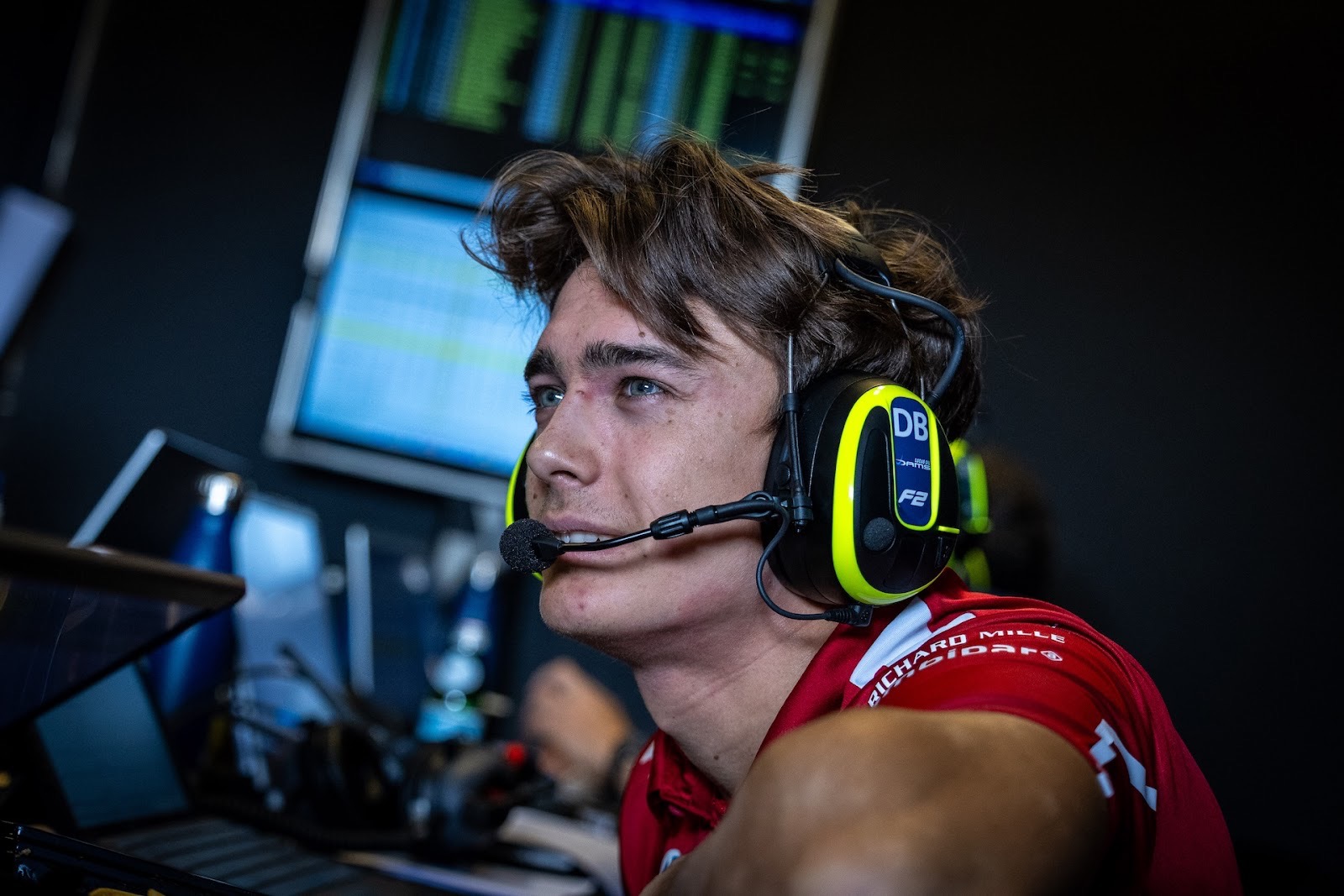
While Maini arrives in search of a reset, Dino Beganovic enters 2026 facing the pressure of expectations. His 2025 campaign was not wholly disappointing, as he scored points in all but four rounds and rocketed to his maiden F2 victory in the Baku sprint race. Now, though, the bar will be higher for Beganovic, particularly after a strong finish to last season that saw him look every bit a potential title challenger heading into 2026.
Now rejoining DAMS, with whom he contested the final rounds of the 2024 season and secured a podium in Yas Marina, the Ferrari junior returns as the likely team leader alongside Roman Bilinski, carrying the responsibility of setting the benchmark. To do so, he will need to avoid the mid-season dip in form that interrupted his momentum last year and in his 2022 FR Europe title campaign, as even brief dry spells can prove destructive in a championship as tightly contested as F2.
“I think last year was a roller-coaster. The end of last year was very good, so I will bring that same momentum for this year,” he said. “It was especially the middle part of the year that I was clearly missing some pace. I was not really comfortable where I was with car wise and in general with the situation, but we made some changes after the summer break, which suited me a lot better, and the results started to come.
“So making sure that I’m feeling well within the team, with the people around me, and also with the car, will be the right thing [for consistency]. Then also being able to take the opportunities that come and not be resting at any point, but always be ready for what comes, will be my main goal this year. And like I said before, consistency, like Leo [Fornaroli] is the prime example of this.”
Fornaroli’s example is a fitting one. The Italian secured the 2024 F3 title despite not taking a single race victory, instead building his campaign on relentless consistency. He finished outside the points only twice all season, steadily accumulating results while his rivals’ form fluctuated. Chief among them was Gabriele Minì, who ultimately finished runner-up after failing to score in the final three feature races.
Since then, Minì has been searching for renewed momentum. His F3 performances earned him promotion to F2, and a continued partnership with Prema was expected to deliver immediate success. He started off well by topping qualifying in Melbourne, but the season ultimately proved frustrating for both driver and team, with Minì only finishing 13th in the standings.
Now approaching his sophomore season in F2, Minì arrives with a fresh perspective shaped by the new approach he’s seen behind the scenes since he joined his 2026 outfit, MP Motorsport. He will look to translate consistent front-running pace into the kind of results required to sustain a championship challenge.
“Last year we were expecting to be title contenders, especially after the first test and the first race, and then it didn’t go that way, but I have full confidence in this team,” he said. “I’ve seen really different ways of working on things, also in terms of myself, how I have to approach things for example in races.
“It’s a very good step [to join MP] and I think it does make sense. I’m really looking forward to going on track and seeing how it actually plays out. Of course, the pace has been quite good. We’ve always been able to be in the top five, which is what we want. Top five every race would be ideal to fight for the championship.”
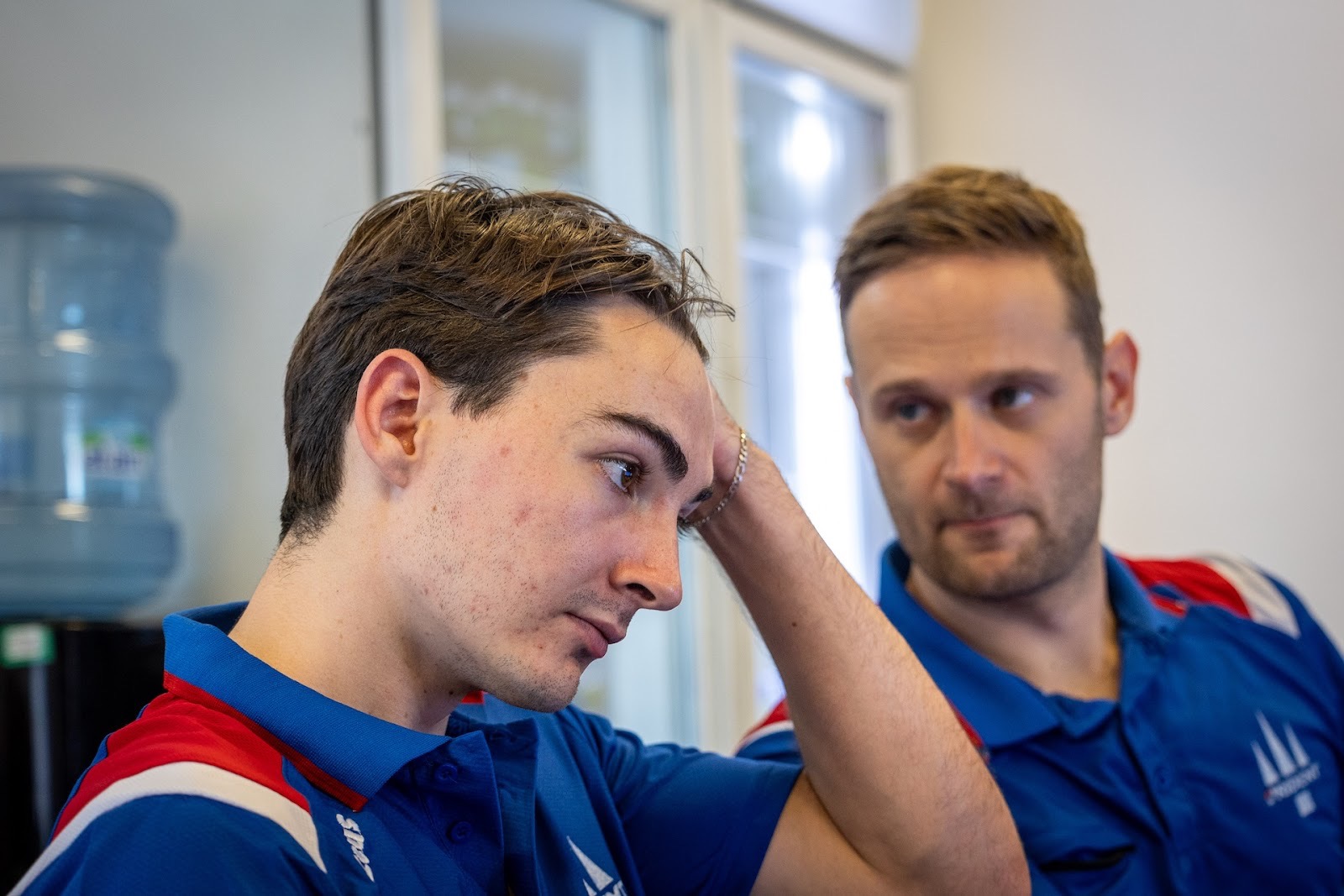
The opening round of the F2 season in Australia will provide the first true benchmark for the grid, a moment when drivers can finally measure their progress, identify remaining weaknesses and discover whether months of winter preparation have translated into performance. Few arrive having invested more into that preparation than John Bennett, who joins Trident for 2026 following his first full-time season with Van Amersfoort.
Bennett’s rookie campaign was a challenging one, with qualifying often limiting his opportunities despite flashes of strong race pace. That was most notably the case at Monza, where he scored his only point in the feature race, and the Red Bull Ring, where potential points slipped away after a last-lap incident. His off-season has since been defined by extensive preparation and adaptation as he looks to convert experience into consistency with his new team.
“We’ve been putting in a lot of work over winter,” he said. “I think the race pace is actually something that was quite strong from when I first jumped in with my debut at Qatar, and Red Bull Ring was really strong until the unfortunate last lap. Monza was quite decent. I found that I got into a groove quite quickly. We struggled as a team at points throughout the year. But for sure [race pace], it’s one of my strengths.
“Over winter, I’ve just been putting in loads and loads of hours on the sim. And with each round last year, I was just building up my experience, getting used to how the tyres feel, used to what different tracks needs from the driver in the car. And then also putting in in all the work with Trident, seeing what their philosophy is towards the race stints. I think the main thing [was] a lot of work over winter doing my homework and building on what I learned last year.”
The 14-round F2 season begins with practice and qualifying this Friday in Melbourne.
Additional reporting by Martin Lloyd
Header photo credit: Dutch Photo Agency
Make a one-time donation
Make a monthly donation
Make a yearly donation
Choose an amount
Or enter a custom amount
Your contribution is appreciated.
Your contribution is appreciated.
Your contribution is appreciated.
DonateDonate monthlyDonate yearly Feeder Series