
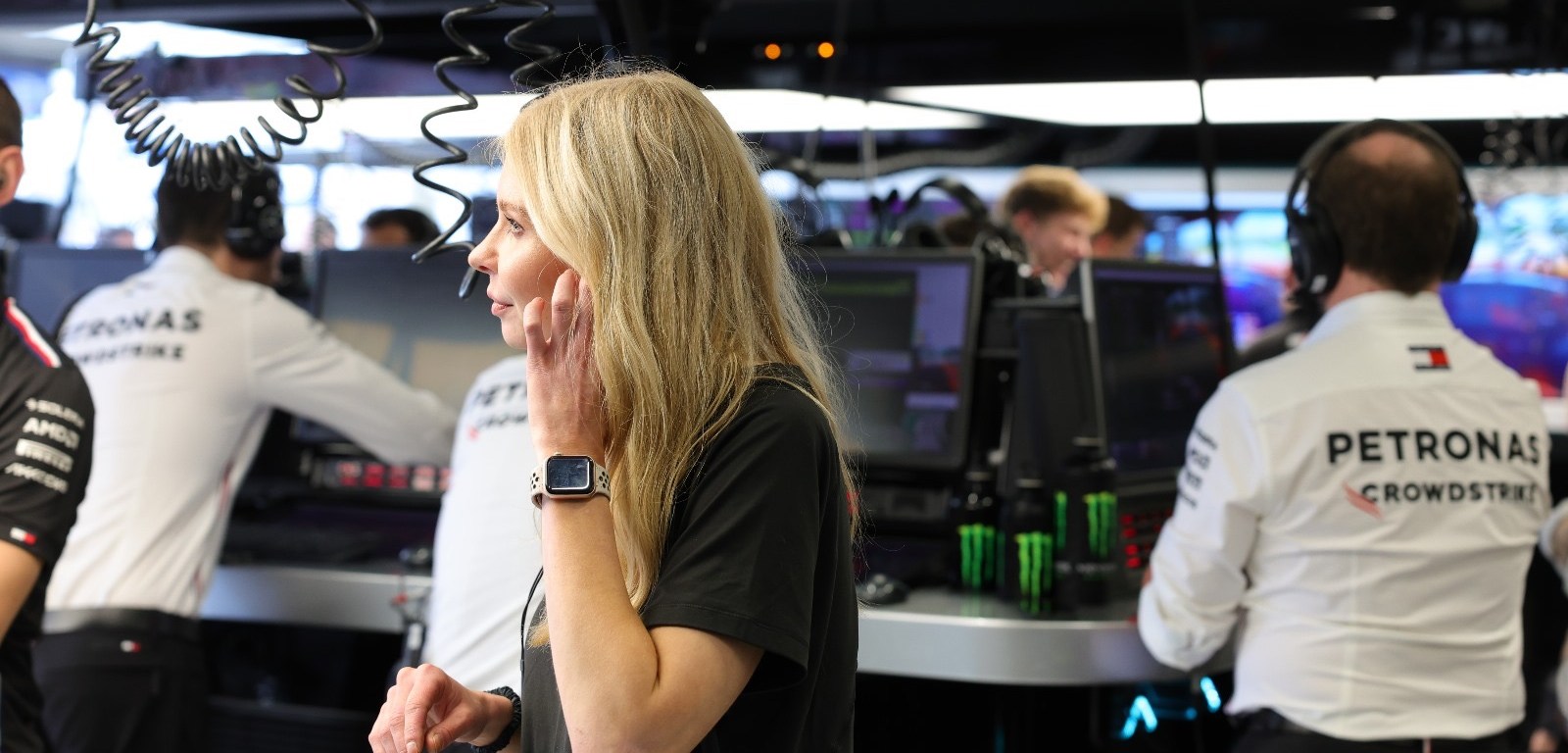
Junior single-seater drivers are always looking to gain an edge over their rivals, and many have turned to mental coaches to help them unlock performance improvements. Elina Haukipuro is one of the emerging voices in her field, and she’s on a mission to make mental coaching more accessible to motorsport’s young competitors. Feeder Series caught up with the Finn recently to learn more about the work she does and how it helps young drivers.
By Martin Lloyd
Haukipuro never set out to become a specialist in the niche industry of motorsport mental coaching. Quite the opposite, in fact – she studied to become a doctor, gaining her qualifications from Rīga Stradiņš University in 2016. Fast-forward 10 years, and Haukipuro has become an important voice in a new scientific field.
“I started off in surgery doing spinal surgery, trauma surgery, orthopaedics but then switched to sports medicine,” Haukipuro told Feeder Series. “I wanted to be there helping people before the issue was already at hand, and it was later on to that that I realised that there’s doctors in F1. After I realised that, I just was so committed to doing that. That was the only thing I thought about.
“Then when I did that and entered F1, I think my thought was that if you work at that level, everything has to be optimal. Like, surely I can’t teach anyone anything? Everything has to be top notch. But it became quite clear that even at that level, mental training, coaching et cetera is not omnipresent as you would think.”
Haukipuro’s surprise at the limited mental coaching she found in top-level motorsport was understandable. In motorsport, perhaps more than any other sporting discipline, split-second decision-making can be the difference between life and death. Haukipuro had orientated her training and skill set towards coaching in motorsport and was therefore uniquely placed to fill the gaps that she had identified in many different organisations.
She completed the International Olympic Committee’s Diploma in Sports Medicine in 2020 and then made the pivot from conventional medical work to the sporting field. For a year, she worked at the University of Potsdam as a research associate in sports medicine, before she joined the Mercedes F1 Team as team doctor.
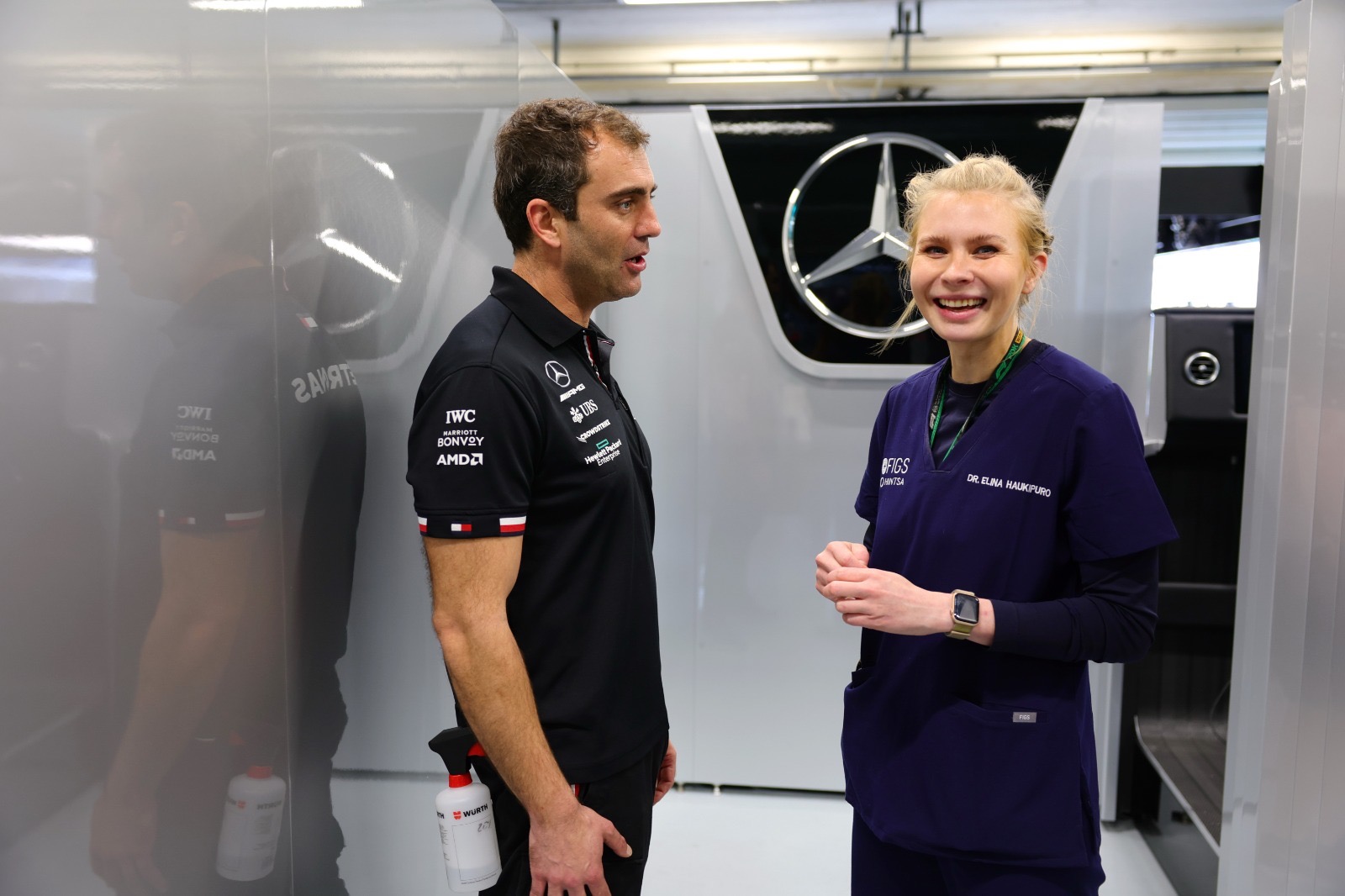
A role at Williams followed before Haukipuro moved on to work with individual drivers. Now, having worked with a number of junior single-seater drivers, she is looking to make her next move.
“I’m currently building an app that will be useful especially for junior drivers to provide this kind of service that I’m doing currently, but [I want] to give that out to a broader audience who might not have a chance to do the one-on-one coaching,” she explained.
“Especially in junior categories, having the finances and funding to have access to this kind of help isn’t necessarily something that everybody can have because it depends on your sponsors [or] if you’re funding it yourself. Also, there’s not the same kind of knowledge, I think, in junior driver categories as well that this type of mental performance, mental edge coaching et cetera is really, really useful. [It’s] equally as [useful as] physical health, so to be able to provide this kind of service, even if you don’t have the same amount of access or money, or just to try it out as well – it’s something that I’m very passionate about doing.”
The high costs of competing in junior single-seaters are well known. As drivers scale the ladder towards Formula 1, they face mounting costs to compete the higher they go. This makes the upper reaches of the ladder the preserve of those who are either able to fund their participation themselves or supported by sponsors and driver development programmes that can supplement their own contributions.
Even once they have found the cash for a seat, some drivers may still face barriers to reaching their maximum potential in the series if they cannot afford additional services like mental coaching. It is these barriers that Haukipuro is seeking to break down for those she believes can benefit most from mental coaching: the young drivers on the F1 ladder facing the highest expectations within the sport.
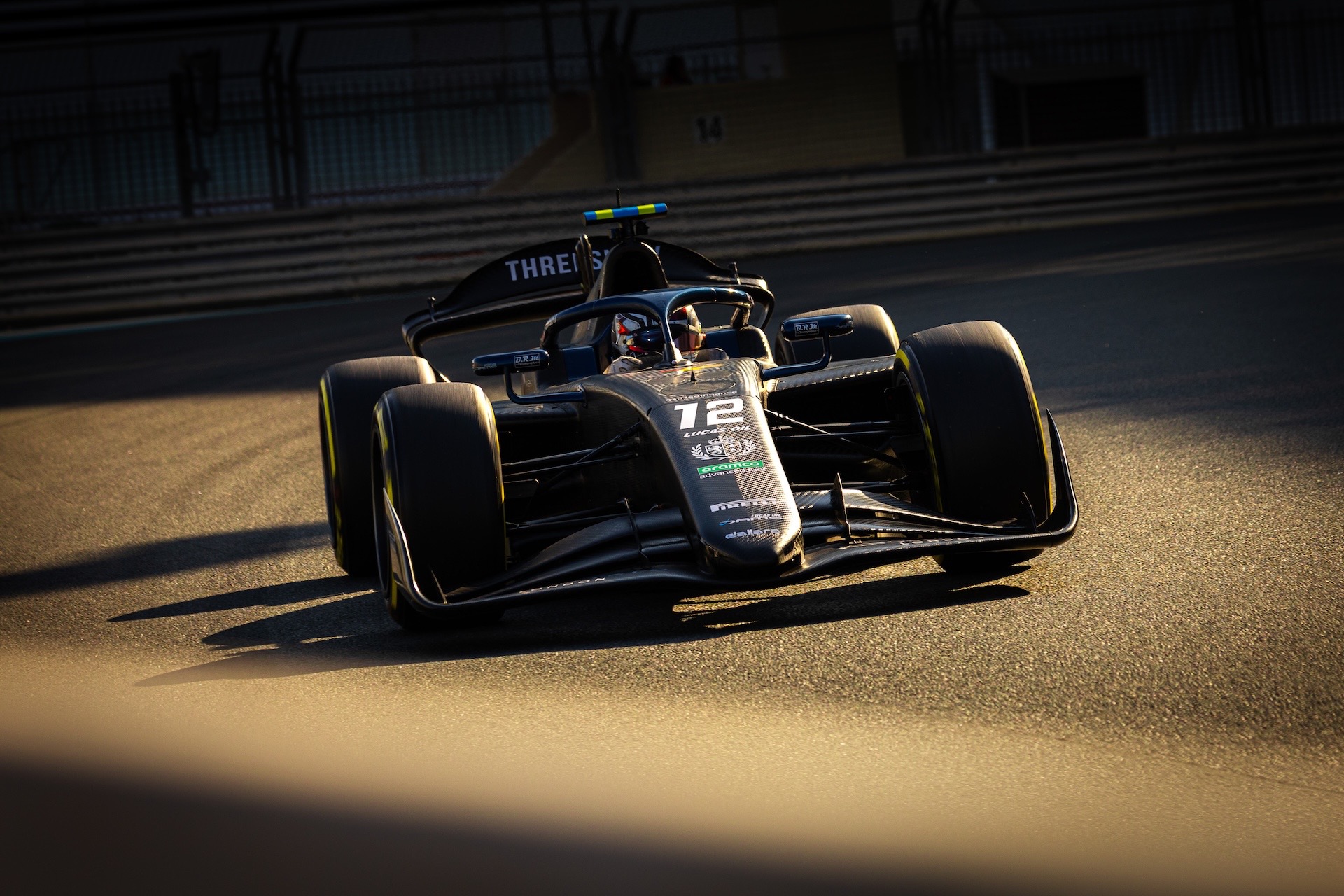
“What we tend to forget is that these drivers, they’re so young. They’re teenagers. There’s hormones, there’s body changing, which – without this excess pressure from teams, media, all of it – is already a lot on its own,” she said. “But we’re treating them as if they are adults or if they’re like a ready-made product because of the job that they’re doing, which is very extreme for them when you pick that apart.
“You’re like, ‘Oh, actually, this is a person who’s changing and they’re learning about themselves, they’re learning about emotional regulation.’ I think we can all remember that wasn’t always the easiest thing!”
Currently, the average age of F2 drivers is 21.8, while in F3, it’s three years younger at 18.8. At the time of publication, the two championships have more than 2 million and 882,000 followers on Instagram respectively. Being exposed to such a large international audience puts immense pressure on young, developing drivers who are controlling cars with immense amounts of torque behind them. F2 cars produce 620 horsepower, F3 cars produce 380, and both can reach speeds in excess of 300 kilometres per hour.
“Then, when you add on top of that you’re learning a new car, maybe new tracks like Miami … there’s a lot of changes that’s going on, a lot of need for adapting to all of that, not just within the sport but within yourself.”
The recent round in Miami highlighted some of the intense challenges that drivers face. They had 45 minutes of practice to learn about the new circuit before each of them faced qualifying. Then, two hectic races – including one that started behind the safety car because of wet conditions – tested the drivers’ instincts and tactics to extreme levels.
After the sprint race on Saturday, reigning F3 champion Rafael Câmara explained to Feeder Series what sort of support he receives from his mental coach.
“I’ve been with him for three years already. It’s been quite good work for this time together,” Câmara said. “He helps me a lot with everything – preparing the weekend, how to manage yourself during the weekend. I think it’s a very important thing for the drivers, especially in long seasons when you need to keep yourselves well for a very long period. Obviously everyone has their own way to work, but in my case I really like to start each thing. It’s been [three] good years together.”
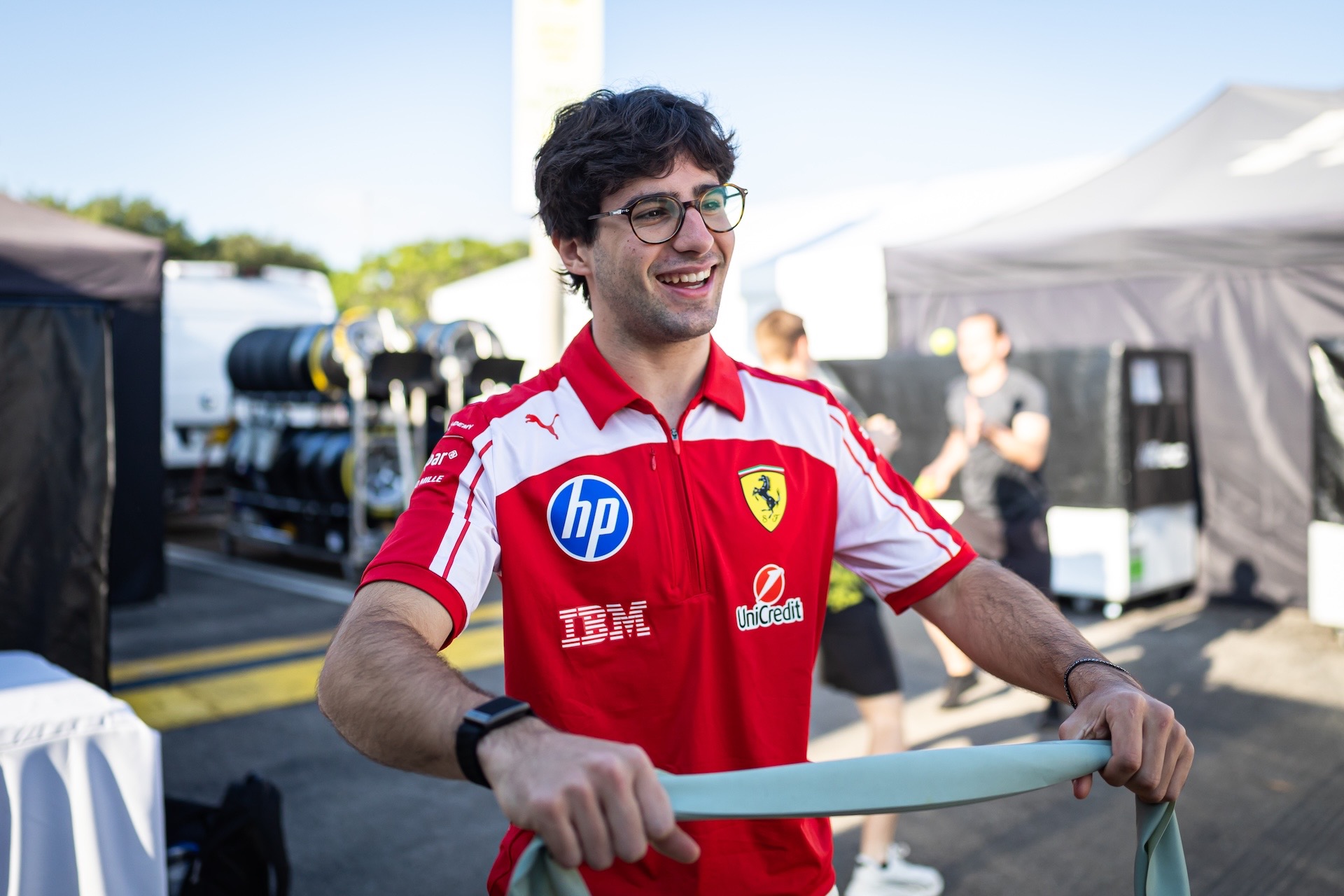
The sport Haukipuro found in 2021 is different from the one Câmara and his fellow competitors experience now. Not only is mental coaching more prevalent – as Câmara’s three-year-long tenure with his coach shows – but it is all the more important with F2 and F3 experiencing ever-growing attention and scrutiny, within and outside the paddock. Some, especially those fast-tracked for professional futures by F1 teams, will be the subject of unending media and fan speculation over their next steps. Top performers have to cope with the pressure of fighting for the highest-level titles of their junior careers. And others still will face questions over performance when they struggle to achieve satisfactory results.
“This is, for example, also something that we work with, the coaching of reframing these [negative] thoughts into more uplifting or positive ones, but also having these grounding techniques. When you are noticing that your head is spinning and you’re focusing on something else, how do you draw that and come back to yourself?” Haukipuro explained. “This is individual of what works for each driver. It can be like classical grounding exercises, it can be mantras that you’re using, it can be some physical exercise that you’re doing.
“Breathing is a massive thing as well, so basically what’s happening is that your nervous system is firing up, you have a lot of cortisol, adrenaline, a lot of stress signals in your body. So learning how to do that physically but also mentally [is important]. And when you combine these things, it is a lot easier to then stay in the moment, but if you’re not doing anything with that, you will just have this anxiety and stress. So it’s just [about] learning techniques.”
Header photo courtesy of Elina Haukipuro
Make a one-time donation
Make a monthly donation
Make a yearly donation
Choose an amount
Or enter a custom amount
Your contribution is appreciated.
Your contribution is appreciated.
Your contribution is appreciated.

