
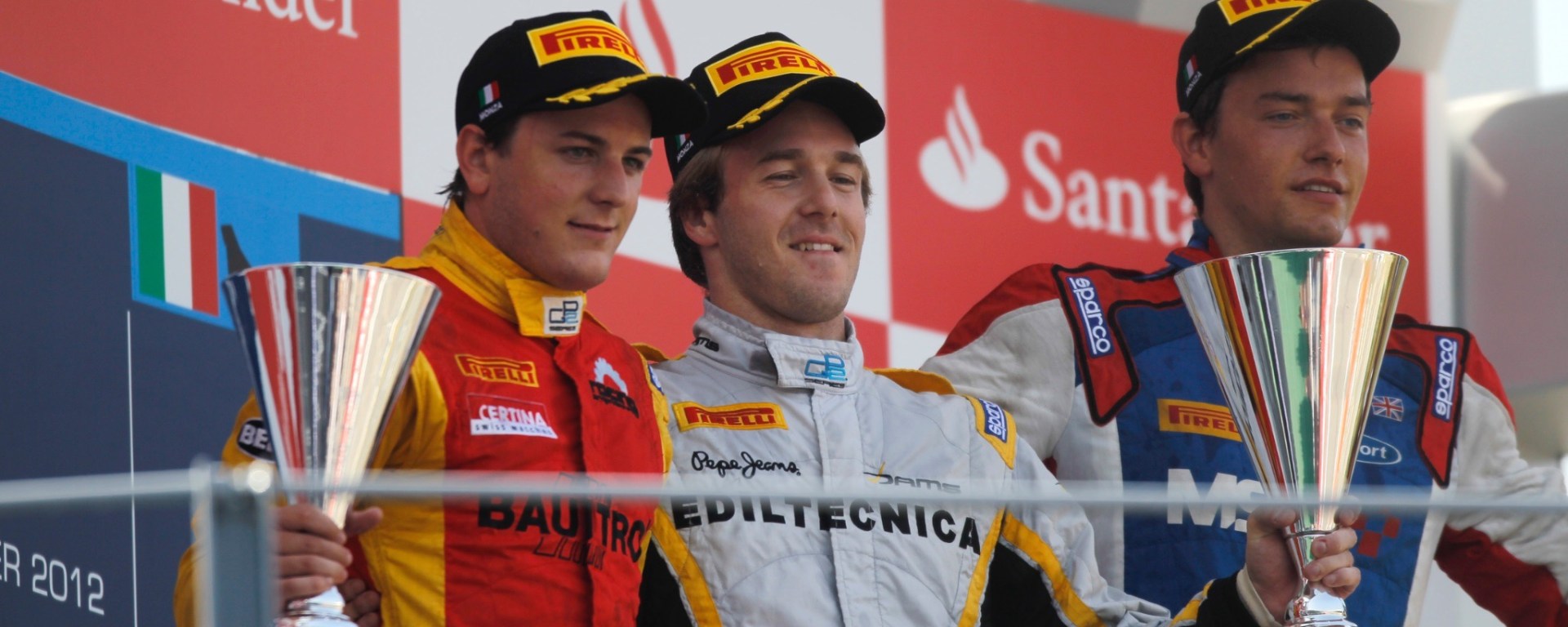
Ten years ago today, the last GP2 Series race was held at the Yas Marina Circuit, with Pierre Gasly being crowned the series’ 12th and final champion. A decade on, Feeder Series looks back at the 12 drivers who took championship glory and ranks their performances over their title-winning seasons.
By H. M. Gillard
12. Fabio Leimer, 2013
What triggered Stefano Coletti’s complete collapse from a commanding championship lead after eight races to finish only fifth in the championship will forever remain a mystery, but it is not as though Leimer put in a series of outstanding drives to overturn a 66-point deficit and win the title by 20 points over the returning Sam Bird.
Two of Leimer’s three wins in his fourth season of GP2 came in the opening two rounds of the season – before Coletti’s dismal run of form. These were the only two occasions on which Leimer scored in the first eight races; contact with James Calado put him out of the points in the Sepang sprint race, and after sustaining damage early in the Sakhir sprint race, Leimer went off while defending from Jolyon Palmer.
In Barcelona, Leimer qualified sixth but had another first-lap incident with Calado, requiring a pit stop for damage and relegating him to the back of the field. He couldn’t recover to score in the sprint race. Then in Monaco, he was wiped out in an enormous opening-corner accident at the start of the feature race and, because of the nature of the circuit, was unable to make up enough places to score in the sprint.
Against a weak grid that featured only five future F1 drivers, two of whom would never score a point, Leimer’s title was built on consistency across the rest of the season. He finished in the top five in all of the last seven feature races but stood on the podium in just one of those races with a victory in Monza. Across the season, his 27 per cent feature race podium rate was the lowest for a champion in GP2’s history.
11. Davide Valsecchi, 2012
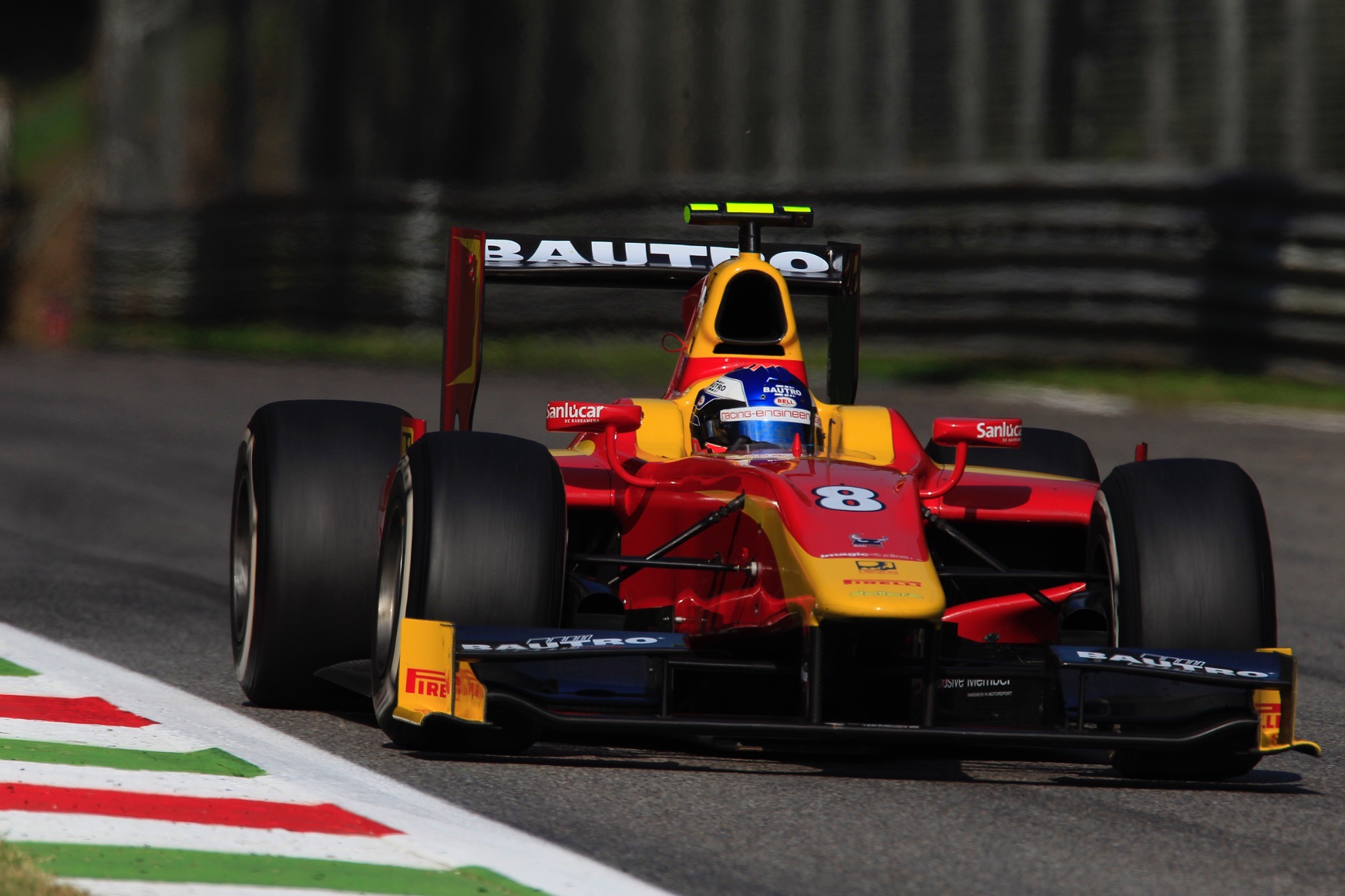
Neither Valsecchi’s nor Leimer’s championship season was particularly impressive, but Valsecchi performed slightly better over the whole season against slightly stronger opposition. Valsecchi pulled off a double victory in the first Sakhir round with nearly maximum points by claiming his second pole position of the season and setting the fastest lap in the feature race. Those results meant that, after three races, he already had more poles and fastest laps than Leimer would obtain over the 2013 season.
Generally, Valsecchi was consistent and reliable, taking home points in every round except Valencia, where he racked up penalties for impeding in qualifying and overtaking under the safety car in the feature race. None of Valsecchi’s three retirements were his fault either; he was wiped out in two collisions in Sepang and Monaco and the victim of a suspension failure in Spa.
But consistent and reliable is exactly what is expected of a driver who was in their fifth season of competition in the series, driving for the DAMS team that had just won the championship and gotten the best handle on the new Dallara GP2/11 at that time. That Valsecchi struggled to surpass those descriptors hurt his standing within the pipeline of potential F1 drivers, a club he never got to join.
Having come out of the blocks strong with two pole positions, three wins and two further podiums in the first three rounds, Valsecchi disappointed somewhat by reaching the podium the same number of times in the season’s remaining nine rounds. His slightly better attainment numbers than Leimer barely keep him off the bottom of the list.
10. Jolyon Palmer, 2014
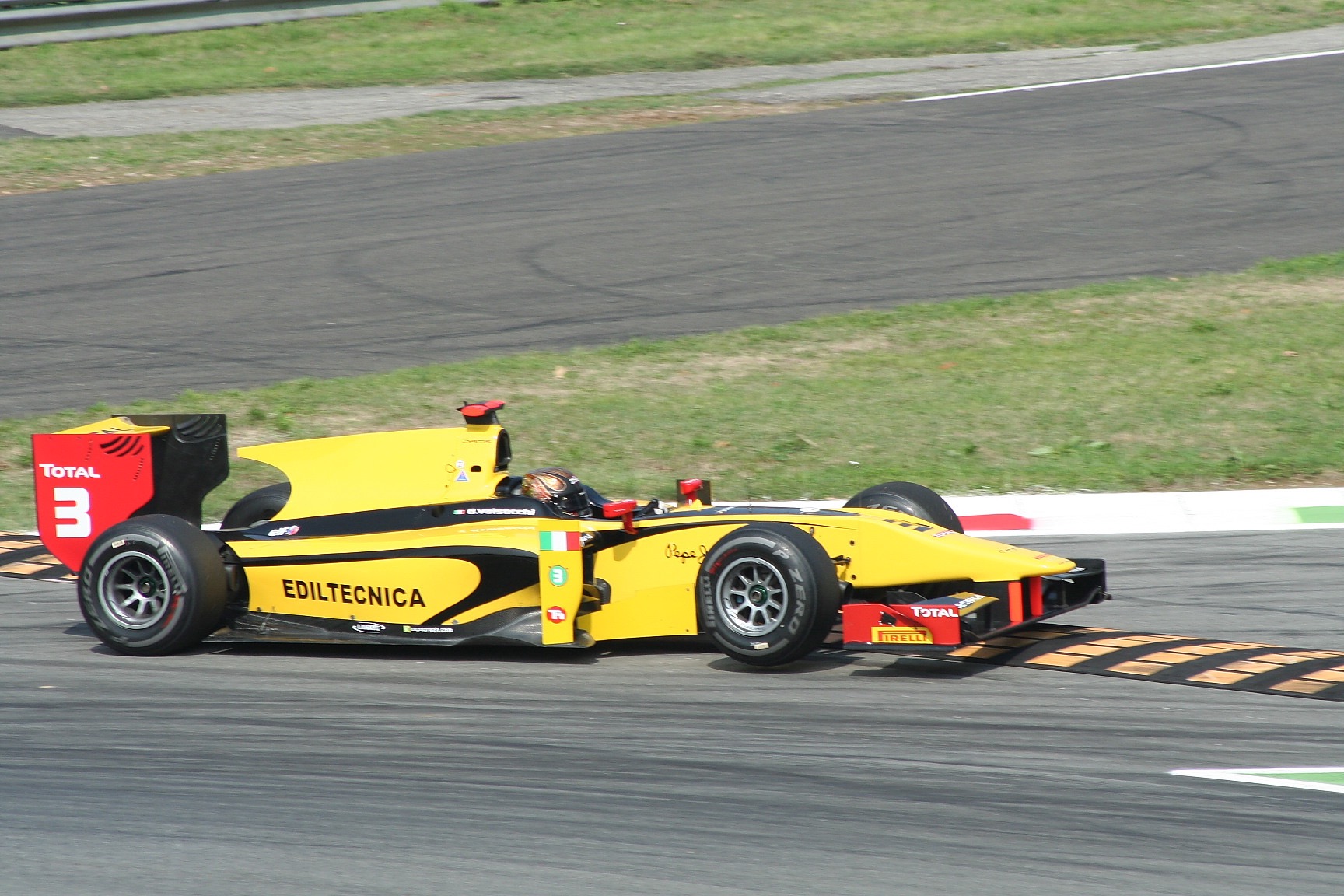
Palmer was another fourth-season champion, though a far more convincing one than Leimer and Valsecchi. Palmer took a higher percentage of poles, wins and fastest laps than the two champions before him, bringing home DAMS’ third title in four seasons of the GP2/11 car by 47 points over rookie Stoffel Vandoorne.
Palmer’s title owes a great deal to Vandoorne’s struggle for results in the early part of the year, when the Belgian took five podiums but endured seven non-scores in the first 12 races. By contrast, Palmer finished on the podium in all of the first five races and only failed to score twice all year – in the final two sprint races of the season, by which time he had already won the title.
No one who watched the season would argue that a fourth-season Palmer, scoring consistently for the pre-eminent team of the time, was the best driver that year. But he was more consistent than either of the champions in 2012 or 2013, and a rookie Vandoorne was a better opponent than anyone who had been in the title fight in either of the previous two seasons. These factors, plus his stronger statistical outcomes relative to what Leimer or Valsecchi achieved, is the reason Palmer is ranked the highest in GP2’s weakest era.
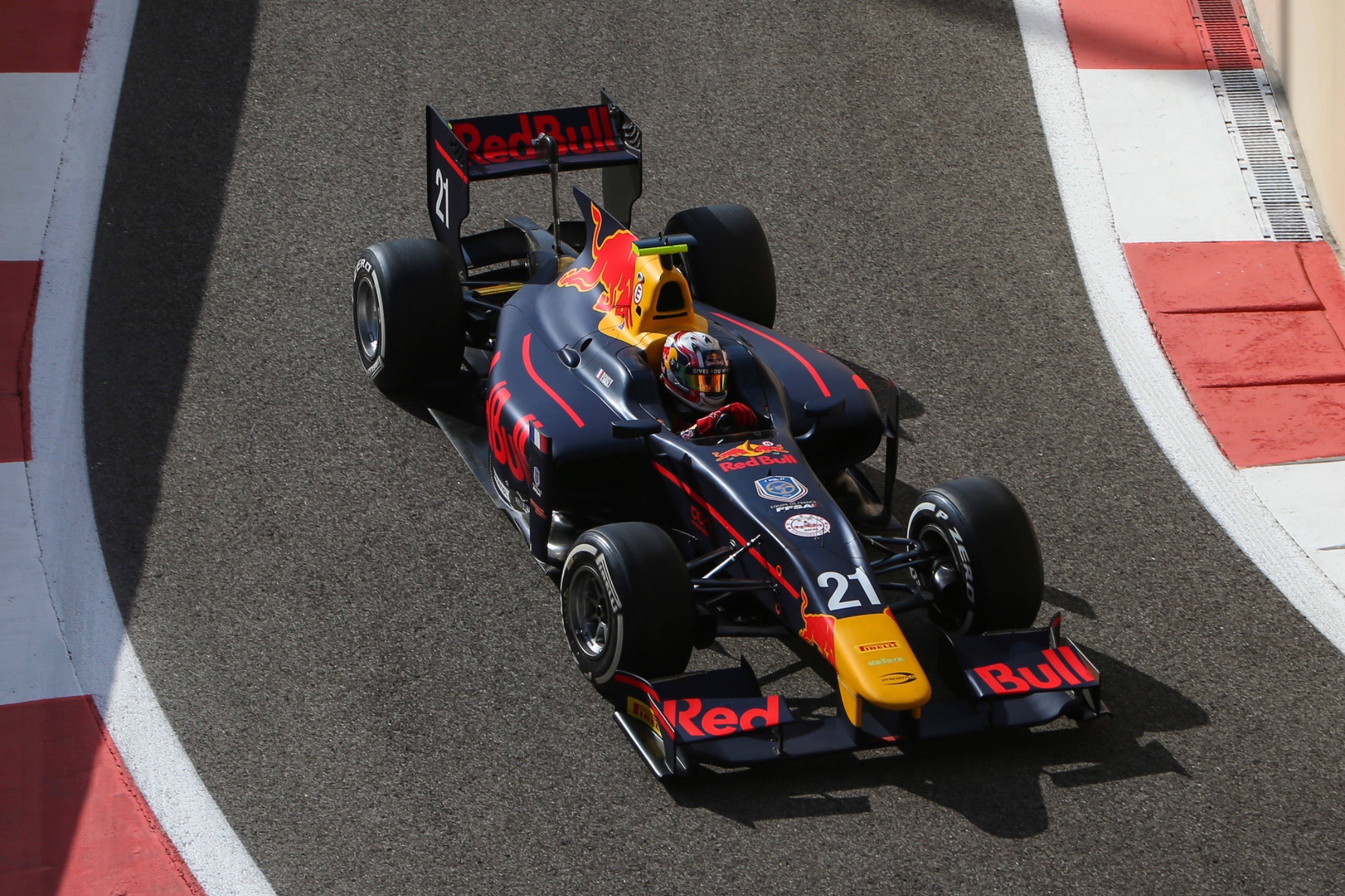
9. Pierre Gasly, 2016
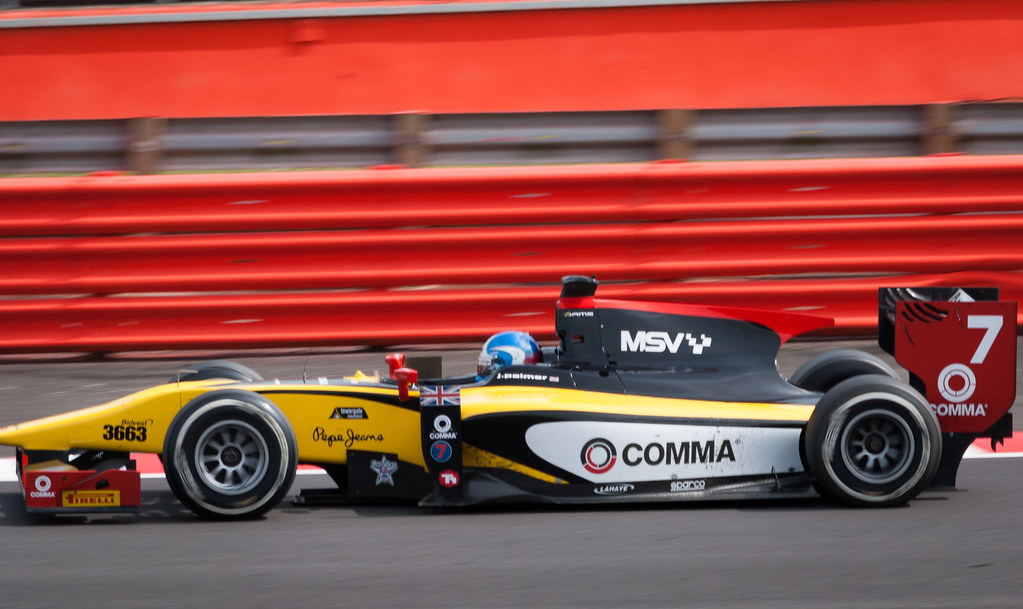
Pierre Gasly’s being ranked so far down may surprise people, and it owes a bit to hindsight given his Prema team’s subsequent strength over the next half-decade in F2. But 2016 offered the closest title fight in all of GP2, and Gasly was perhaps the clearest case of a champion who wasn’t the most impressive title contender.
Though new to GP2 in 2016, Prema Racing were the dominant force of the decade in the F3 Euro Series and the F3 European F3 Championship that succeeded it, winning every single drivers’ title since 2011. Gasly’s pole on the team’s debut was a fair indicator that this success was to carry over to GP2, and time would prove it to be the case. A double podium in Catalunya was an impressive start, a non-score in Monaco after missing the weighbridge and being thrown out of qualifying less so.
In Baku, Gasly was eliminated in a first-corner collision. On paper, his charge from 18th to second in the sprint race whilst teammate Giovinazzi completed the double by winning from eighth makes it look like Gasly did the better job. However, Giovinazzi’s car had bogged down off the line and dropped him to the back, behind Gasly, and it was actually the Frenchman who ended up in the lead – hounded by Giovinazzi, whose car’s DRS flap was stuck shut – and made a mistake to gift the Italian the win from even further back than where Gasly had started.
Next time out in Austria, Gasly threw it off the road by himself, whilst Giovinazzi’s ignition failed at the red flag restart, costing him a haul of points even though he had already lost the lead. Both drivers fought from the back in the sprint race, ending fifth and seventh with Gasly behind.
The Frenchman finally broke his GP2 duck by leading a Prema 1-2 in the feature race at Silverstone, with another victory following a fortnight later in Budapest. He was disqualified from third in Hockenheim for having an empty fire extinguisher, gifting Giovinazzi reverse-grid pole – which he threw away by crashing out of the sprint race.
With most of their errors behind them, both Prema drivers took wins over the next two weekends and stretched away at the front of the championship. They then switched positions up top at the penultimate round in Sepang, where Giovinazzi won the feature race while Gasly struggled to 11th from pole in a terrible drive. But when it came down to it, Gasly delivered in the feature race at Yas Marina, winning from pole to reclaim the championship lead. In the sprint race, he failed to score, but Giovinazzi could not do enough to take the title.
On paper, four wins and five poles isn’t a bad return for a title win as a GP2 sophomore, but doing so by only eight points against a rookie teammate made for a relatively lacklustre performance.
8. Romain Grosjean, 2011
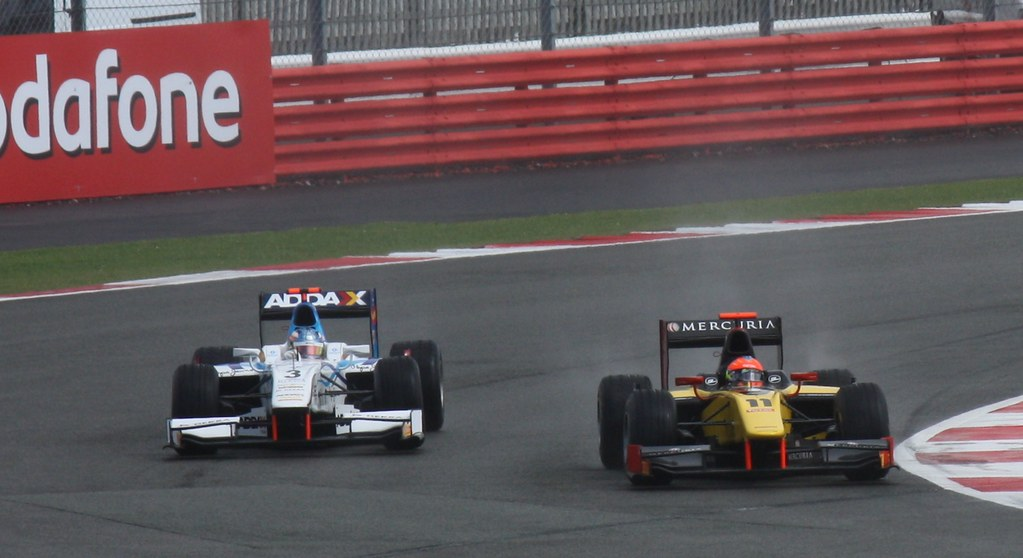
Grosjean’s title win is a strange one. He had been competitive in all of the three years he previously competed in GP2 but never looked on course to win the title. In 2011, DAMS were just supplanting ART Grand Prix as the place to be in GP2, and his opposition in 2011 was the weakest he had faced up until that point. Additionally, Luca Filippi outscored him after switching to Scuderia Coloni, which drags Grosjean down the rankings even further.
Unsurprisingly, Grosjean’s experience and his team’s quick adaptation to the Dallara GP2/11 helped him bring home wins and podiums consistently, meaning his overall winning margin was the biggest to date in the series. A singular retirement came in a first-lap collision at Valencia, and beyond that he had only three finishes outside the top four.
This scoring record naturally raises the question as to why he is not ranked higher. The answer is quite simple: Grosjean was in his fourth season of GP2, in the best team, against the weakest opposition the series had seen to date. Nevertheless, he took just one pole position from nine rounds, and whilst he managed three feature race and two sprint race wins, so did many less experienced drivers against stronger fields.
On paper, there is very little Grosjean actually did wrong. His results were very good, but given the relative circumstances, the championship wasn’t as impressive as what those before him – and in one case after him – achieved.
7. Pastor Maldonado, 2010
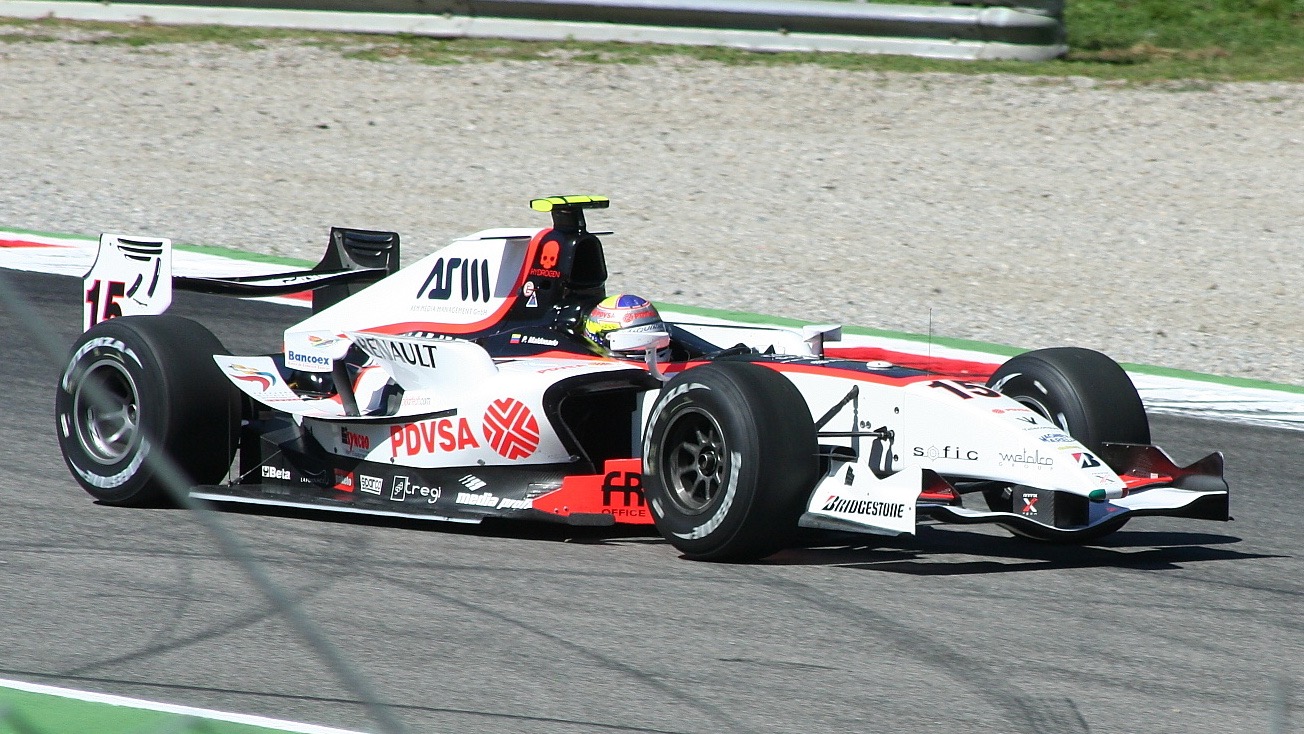
Maldonado’s title-winning season came at his fourth attempt in GP2 – a year later than it should have on paper. He won six of the ten feature races, the best of anyone up until that point, but failed to take a single pole position or sprint race victory.
As ever with Maldonado, there was an abundance of strange mistakes. A silly late move for sixth in the Hockenheim sprint led to a collision with Grosjean, while he was black flagged the following weekend at the Hungaroring for refusing to pit when ordered to do so by race control. An unlucky early collision in the Spa sprint was followed by a double retirement at Monza, first by being caught up in a concertina and then by throwing it off the road in the sprint. But with chief rival Sergio Pérez also not scoring that weekend, Maldonado’s two failures to finish were still enough to win him the championship with a round to spare.
The pressure was off come Yas Marina, but Maldonado blew any realistic chance of points by ignoring the red light in the pit lane in qualifying and relegating himself to 22nd on the grid. His only other failure to score was in the Monaco sprint race after he received a drive-through penalty for jumping the start.
All in all, it was a classic Maldonado season. When things went right, the results were outstanding, and his six feature race wins in a row gave him a formidable championship advantage. But the time he needed to reach that level and the litany of errors and collisions along the way make a higher placement than seventh hard to justify. He could easily have surpassed the record title-winning margin set the previous season had he not made so many errors.
6. Giorgio Pantano, 2008
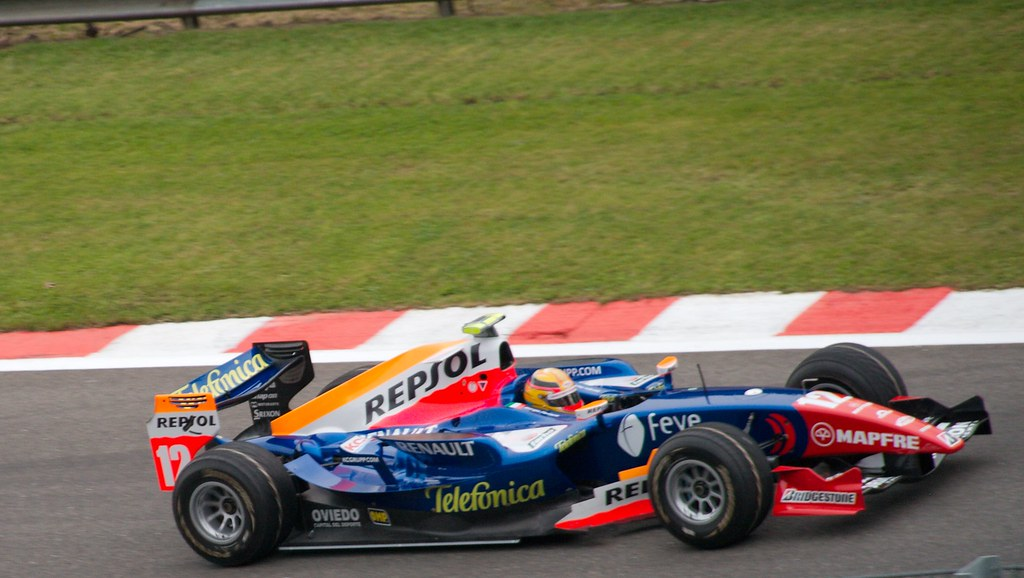
It may seem controversial to rank Pantano above six other champions given it was his fourth GP2 season and seventh overall at that level following his three seasons of F3000 from 2001 to 2003. However, as a driver who always struggled for budget, Pantano was constantly punching above the weight of his teams, more often than not providing them with their best championship finishes of the decade. In 2008, Pantano averaged a whopping 1.401 per cent faster than teammate Javier Villa in qualifying and scored nearly 10 times as many points as the Spaniard.
Across the season, Pantano took four feature race wins, the most of any GP2 champion at that time, though he failed to win a single sprint race, with a best result of third on three occasions. He had a remarkably high number of retirements in the season, evenly split between his and others’ doing. The undeniable nadir was his suspension from the sprint race in Belgium after he made a dangerous move on Lucas di Grassi in the feature race, which he had led before encountering engine issues.
Di Grassi’s performances in his third season are another reason Pantano is not ranked higher. After missing the opening three rounds of the season, the Brazilian scored the most points in the championship in the races in which he competed. Thirteen points separated them at season’s end, meaning Pantano would likely not have won the title had di Grassi been on the grid from round one. Nevertheless, his dominance in feature races, elevation of Racing Engineering to championship levels and total obliteration of his teammate see Pantano ranked just above the middle of this list.
5. Timo Glock, 2007
Glock became the first non-ART driver to win the GP2 Series title, narrowly beating Di Grassi, who had moved to the French team. It was a season in which the most notable performances came from drivers further down in the standings, such as Giorgio Pantano’s drives to push Campos to GP2 relevance or Adam Carroll’s heroics for Fisichella Motor Sport upon his return to the series.
Having outscored Hamilton over much of 2006, Glock was always going to be one of the main title favourites as he stayed with iSport International for his second season in GP2. He started the season well, finishing on the podium in the first five races and taking a single win in the Catalunya feature race. What followed was a string of four consecutive retirements, though only one – a laughable accident off the start at Magny-Cours with teammate Andreas Zuber – could really be apportioned to him. All the while, Di Grassi was racking up consistent points finishes without ever actually troubling the top step of the podium, while Pantano produced striking recovery drives in sprint races after feature race troubles – though rarely for points.
With Glock’s run of bad luck over, he took his only feature race win at the Nürburgring, dominating from pole. He repeated his pole position performance in Budapest but lost out at the start thanks to an astonishing move by Lucas di Grassi. Glock came away from the weekend without adding further points, hindered by a slow early pit stop, an ill-timed safety car later in the feature race, and then a late mechanical issue in the sprint race.
Though Glock’s points total was noticeably lower than that of the two previous GP2 champions, he had far more things go wrong for him, not usually through any fault of his own. Given the comparatively fewer problems for Di Grassi in the prime ART seat, it is a testament to Glock’s performances when things were working that he still won the title. His overtaking was generally excellent, and he demonstrated great speed overall to take four pole positions, five fastest laps and five total victories. His 11-point margin over Di Grassi was quietly impressive, and with a little more luck, he could’ve far exceeded that.
4. Lewis Hamilton, 2006
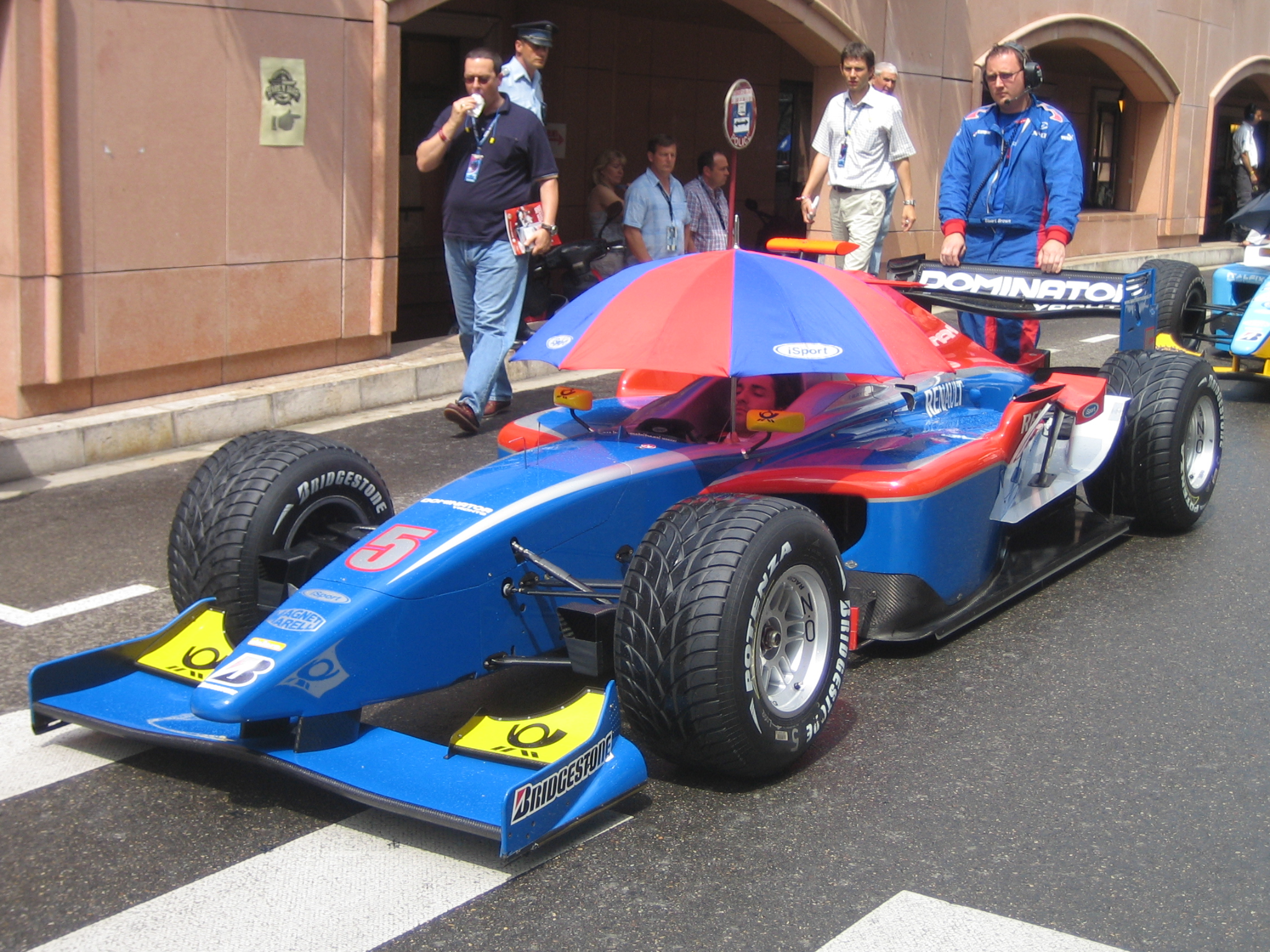
After 2005, ART were firmly established as the best team, and Hamilton, their lead driver in 2006, won the title by 12 points over Nelson Piquet Jr in the Piquet Sports car. The now seven-time F1 champion’s GP2 title is best remembered these days for his double overtake through the flat-out Maggots at Silverstone and spinning off by himself early in Istanbul, leading to an aggressive and occasionally reckless fightback to second place. This does not tell the entire story.
When both title contenders were in form, they were imperious. Piquet hit back from his two mechanical-induced non-finishes at Hockenheim with three perfect races – pole, win and fastest lap at every opportunity. Similarly, when Hamilton won, he always swept the weekend, winning the lone Monaco race and taking doubles at the Nürburgring and Silverstone before seeing out the season with a consistent run of podiums.
Impressive though Piquet’s form was, it was really Timo Glock who was Hamilton’s nearest challenger for much of the season, outscoring him from the time he joined iSport International after round five until the season finale at Monza, where a retirement and injury caused him to miss the final race. Had Glock been with iSport from the start of the season, Hamilton might not be featuring on this list at all.
Hamilton’s handful of non-scores were down to errors. Overtaking the safety car at Imola and crashing into Adam Carroll in Magny-Cours took him out of the fight on two occasions, whilst accidents in practice and qualifying at the Hungaroring saw him start the feature race last and finish only 10th. When considering that ART’s duo had gone from the back of the grid to the top five the previous season at the Hungaroring, Hamilton’s handful of recovery drives paled in comparison.
Just like Rosberg before him, Hamilton notched up five victories across the season but – perhaps surprisingly given what he would go on to achieve – just a single pole position. His average qualifying advantage over teammate Prémat was over half a percent smaller than Rosberg’s, a margin significant enough that it cannot be explained away by Prémat’s extra season of experience. Hamilton’s blistering race pace is what stands out the most from his season, with his seven fastest laps from 21 being the highest both by number and percentage of any GP2 Series champion.
3. Nico Rosberg, 2005
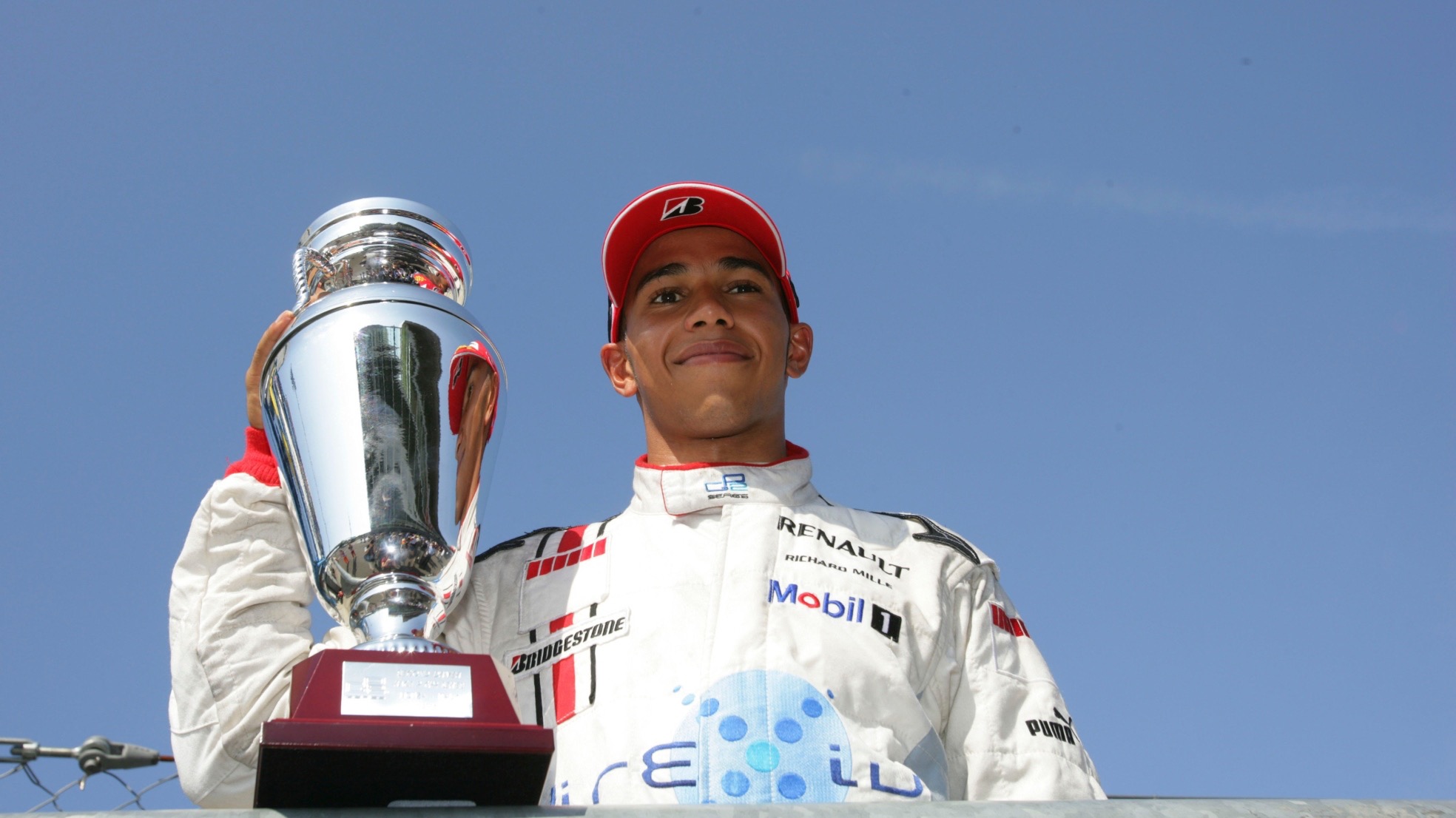
Rosberg’s title-winning campaign was essentially a slightly better version of Hamilton’s in every way, though on paper, it probably shouldn’t have even taken place.
Rosberg came into GP2 in its first year after it replaced International F3000 as F1’s direct support series. His chief rival that season was Heikki Kovalainen, the reigning winner of the World Series by Nissan championship of similar calibre and the clear title favourite. Kovalainen’s Arden Motorsport team were the dominant forces of F3000, while Rosberg’s ART squad had never competed in the second tier. Team and driver therefore had a steep learning curve, one already shortened by the fact that Rosberg wasn’t initially expected to race for them.
Over the course of a single lap, Rosberg outqualified teammate Prémat – who himself earned a pole, two wins and fourth in the championship – 10 times out of 12, ending the season with a 0.744 per cent average margin, In races too, Rosberg rarely put a foot wrong; his only notably weak performance was an anonymous run to ninth place in the feature race in Barcelona, though he did pick up two bonus points for setting the fastest lap. His two other non-scores, in the Imola sprint and Istanbul feature, were mechanical failures in races he was leading.
In a damp sprint race after his Istanbul troubles, he charged from 17th to sixth in the first three laps before finishing third, making a series of clean overtakes to come back from a setback that was not his fault. Arguably more impressive was his recovery from 23rd on the grid to fifth in the feature race at the twisty Hungaroring, where overtaking is notoriously difficult.
In general, the German’s overtaking was the great strength of his season, the highlight perhaps being a brilliant double overtake under braking into the tight Veedol Chicane at the Nürburgring. Mechanical issues excluded, Rosberg maintained or gained positions every time he finished a sprint race. This may paint the picture that Rosberg struggled in qualifying, but that was far from the case with four of 12 pole positions falling his way.
Over the season, Rosberg notched up five wins, four poles and five fastest laps to win the title by 15 points over pre-season favourite Kovalainen and outscore Prémat by 53 points. In the first six years of GP2, only one driver would win the title by a bigger margin.
2. Nico Hülkenberg, 2009
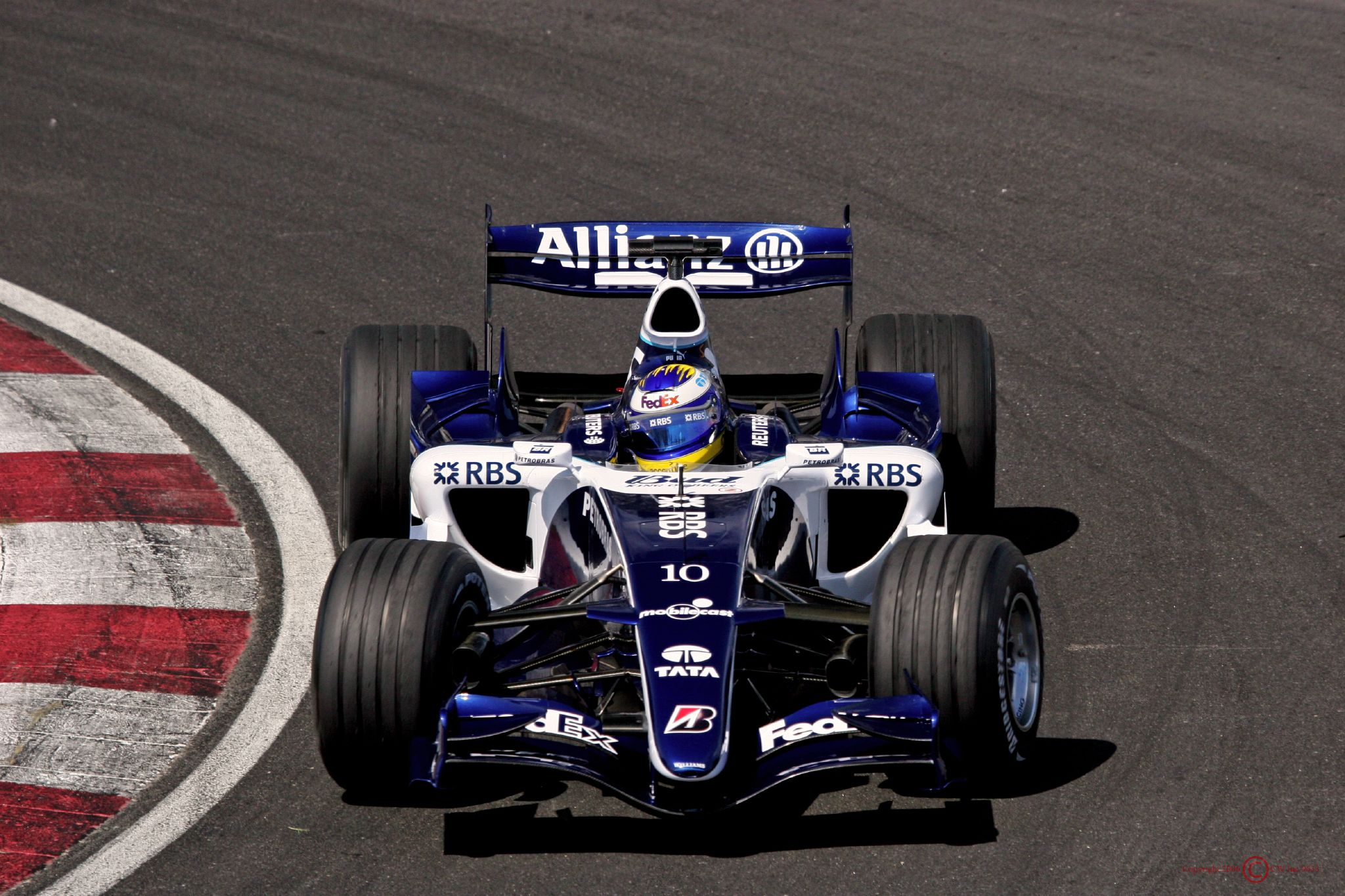
A third-season Maldonado moving to GP2’s most successful team in ART seemed to be the logical bet for the 2009 GP2 title. Then a rookie called Nico Hülkenberg was promoted from F3 to partner him off the back of winning the F3 Euro Series, and he delivered a shutout against the Venezuelan in qualifying and scored nearly triple his points to win the championship by the largest margin to date in a field including nine other future F1 drivers.
When it comes to race wins, Hülkenberg took the highest percentage available of any champion up to that point. His results in the features – three wins, three further podiums and three additional points finishes – were particularly impressive, but his two sprint race wins and two additional podiums in sprints helped him maintain his buffer atop the standings.
Major mistakes on Hülkenberg’s part were few and far between, and a multi-car pile-up at Spa – of which he was more a victim than an instigator – marked the only time the German failed to finish all season. At the Nürburgring he took the first weekend double in GP2 since Pantano did so in the 2006 finale, and he ended the season with three pole positions from 10 as well as five fastest laps.
As rookie seasons go, it was an exemplary showing, and the German displayed the same level of talent as the two rookie GP2 champions before him – just as he had throughout his whole junior career. He showed flashes of the same in F1, albeit without the results that he had gotten before.
1. Stoffel Vandoorne, 2015
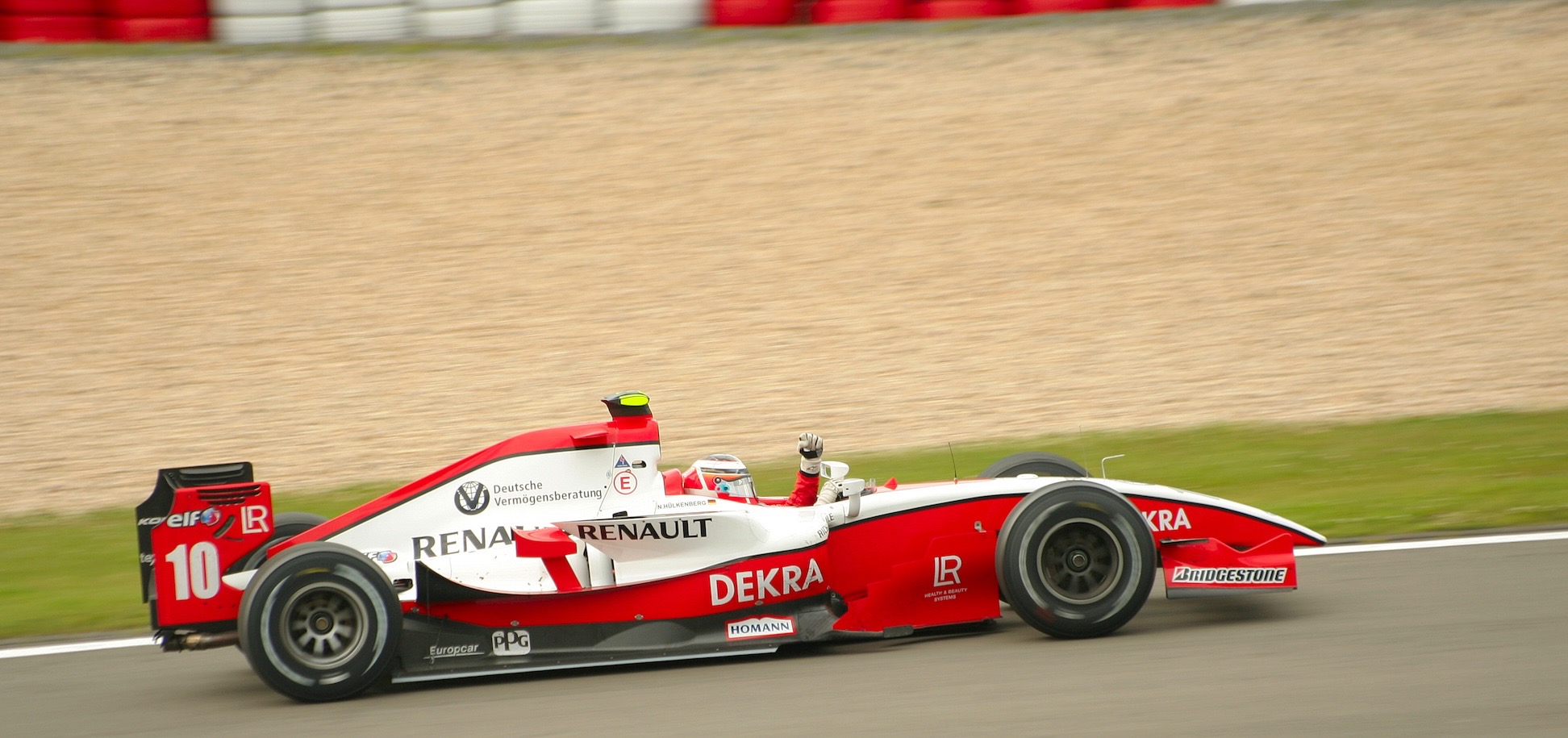
GP2 in the 2010s was undoubtedly weaker than its first few years of competition, and grid strength was a factor that could have marked Vandoorne down. When presented with a weak field, however, a prospective F1 star must annihilate the competition, and the Belgian did exactly that.
Vandoorne’s ART team had been titleless since 2009, and even though the then-dominant DAMS had signed reigning GP3 champion Alex Lynn in hopes of obtaining a fourth drivers’ title in five years, Vandoorne was the highest returning driver and realistically the championship favourite. The easiest way to describe Vandoorne’s sublime dominance is to list statistics. He took seven of 11 feature race wins and 16 of 21 podium finishes, with four pole positions and five fastest laps bolstering his title challenge. There was a single occasion on which he failed to score – a ninth place in the Silverstone sprint race, which all in all is not a bad worst result.
In the championship, Vandoorne scored 341.5 points. Second-placed Alexander Rossi, the only other driver to score more than 150 points, was 160 points behind Vandoorne – a gap larger than the combined title-winning margin of every other GP2 season from 2010 to 2016. In the three of the first four rounds, Vandoorne backed up his feature race wins with second places in the sprint, only failing to do so in Monaco. He did it again when the series visited Sakhir a second time late in the year.
Arguably Vandoorne’s only fault was failing to win any sprint races. Still, with a worst feature race finish of fifth – at the Hungaroring – it is a minor quibble. Doubles in GP2 were rare, and even with the newly introduced DRS that year easing overtaking and therefore making doubles more probable, that he still made up ground on all but two occasions suggests a rare level of harmony with his car.
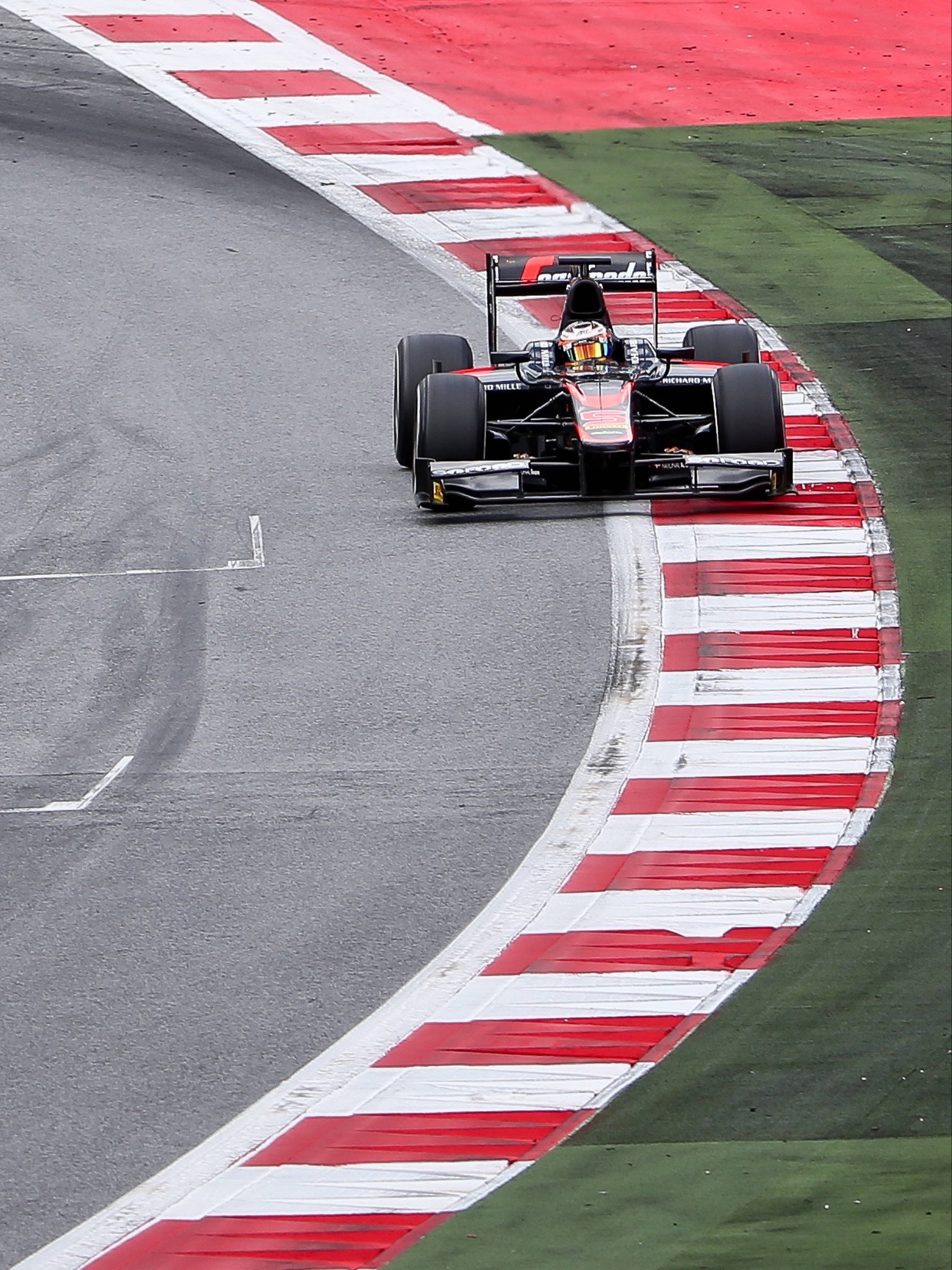
Header photo credit: GP2 via Racing Engineering
Make a one-time donation
Your contribution is appreciated.
DonateMake a monthly donation
Your contribution is appreciated.
Donate monthlyMake a yearly donation
Your contribution is appreciated.
Donate yearly
