
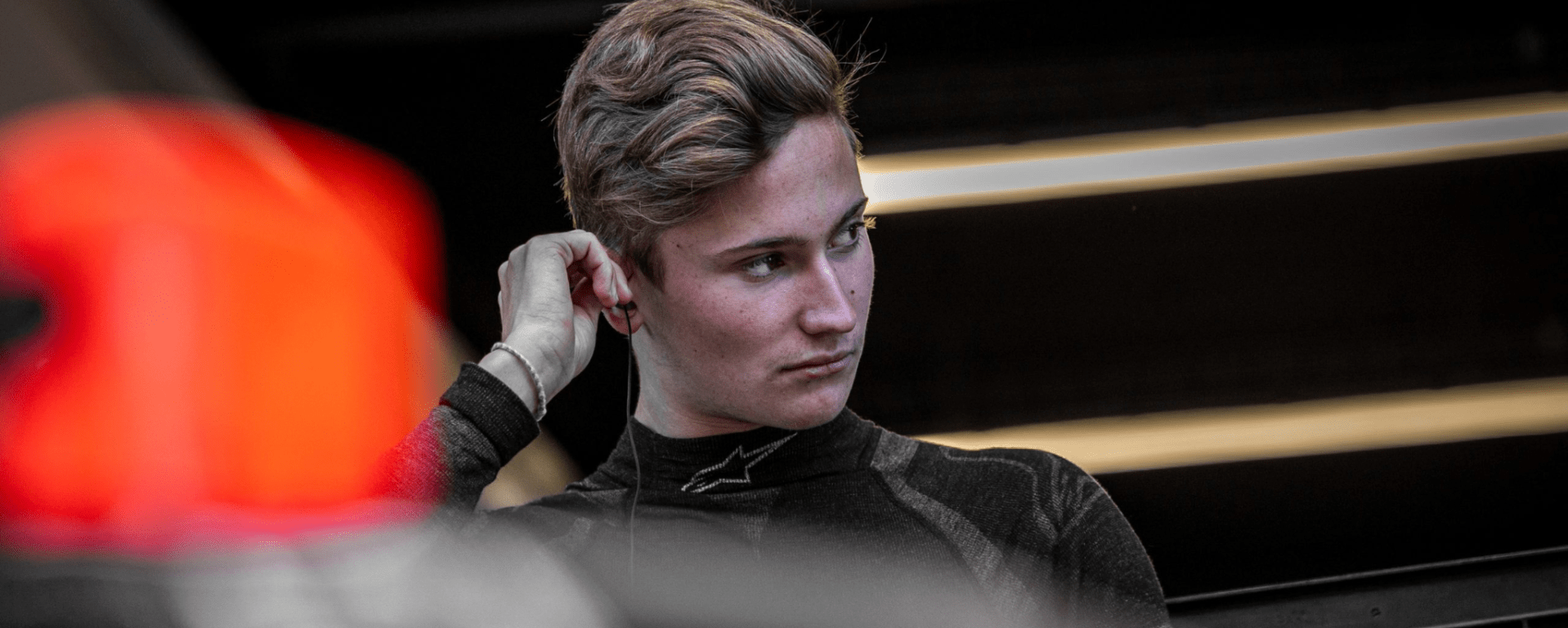
Evan Giltaire switched to Super Formula Lights in 2026 after missing out on the expected step up to Formula 3 because of budget. Speaking to Feeder Series, the Frenchman revealed the differences between racing in Japan and Europe and his team’s surprise that turned out to be the highlight of his career so far.
By Finjo Muschlien
One year ago, Evan Giltaire faced a choice that seemed like career jeopardy. The classic path to F1 via F3 was financially impossible for the then-reigning FRegional Middle East champion. Instead, he chose to go to Super Formula Lights with the support of ART Grand Prix, the team with which he raced throughout 2024 and 2025.
A year later, an impressive Super Formula test and a team owner’s public commitment – which Feeder Series highlighted in the first part of this interview – suggest that what looked like a sacrifice might have been the better move with a seat in Super Formula now in sight.
Giltaire was aware of the difficulties other drivers previously faced, and he came to the series desperately hoping to keep his career in single-seaters alive, something the five other international drivers since 2023 could not do.
“For a European guy and especially for a French guy to go to Japan was quite a big challenge. I knew it because the culture is really different on the side of normal life, but also in the motorsport life, I think everything is pretty different,” Giltaire told Feeder Series.
“But I didn’t have that much choice also because the choice was done, so I had to go to Japan. And I gave myself everything to break the barrier of the language as fast as possible, to create a good relationship with my team.
“And I think it worked pretty well. It was the most important thing, I think, to build a good relationship, because I think for a European driver, the main problem, if we can call that a problem, is to not be really good in terms of relationship with your engineer, with your mechanics, all the team. So you really have to build this confidence [in] each other, and that’s the most important thing.”
And said relationship was very good from the get-go. When Giltaire first arrived in Japan, he posted several Instagram stories of him exploring Japan, often with a bright smile on his face.
That smile has remained plastered on his face for much of the season too. After four of six rounds, he sits third in the drivers’ championship on 63 points, 17 behind surprise championship leader Yusuke Mitsui of Delightworks Racing. Giltaire has more than double the points of his Honda-supported teammate, Kotaro Shimbara.
“For me, it looks pretty at the moment. The season is not over yet, for sure, but I think we have done a pretty good job on this point, and I feel really good and confident with my team,” the Frenchman said.”
“The speed is pretty much there at all weekends so far, except Okayama, which has been a bit more tough, but overall, the speed was quite good, especially in the races. In qualifying, they are pretty good, the Japanese drivers on their circuits. They are really hard to beat, first of all, but even more [so] in qualifying, they managed to put everything together, and that’s something where I struggled a little bit for now. In race pace, I’m quite good.”
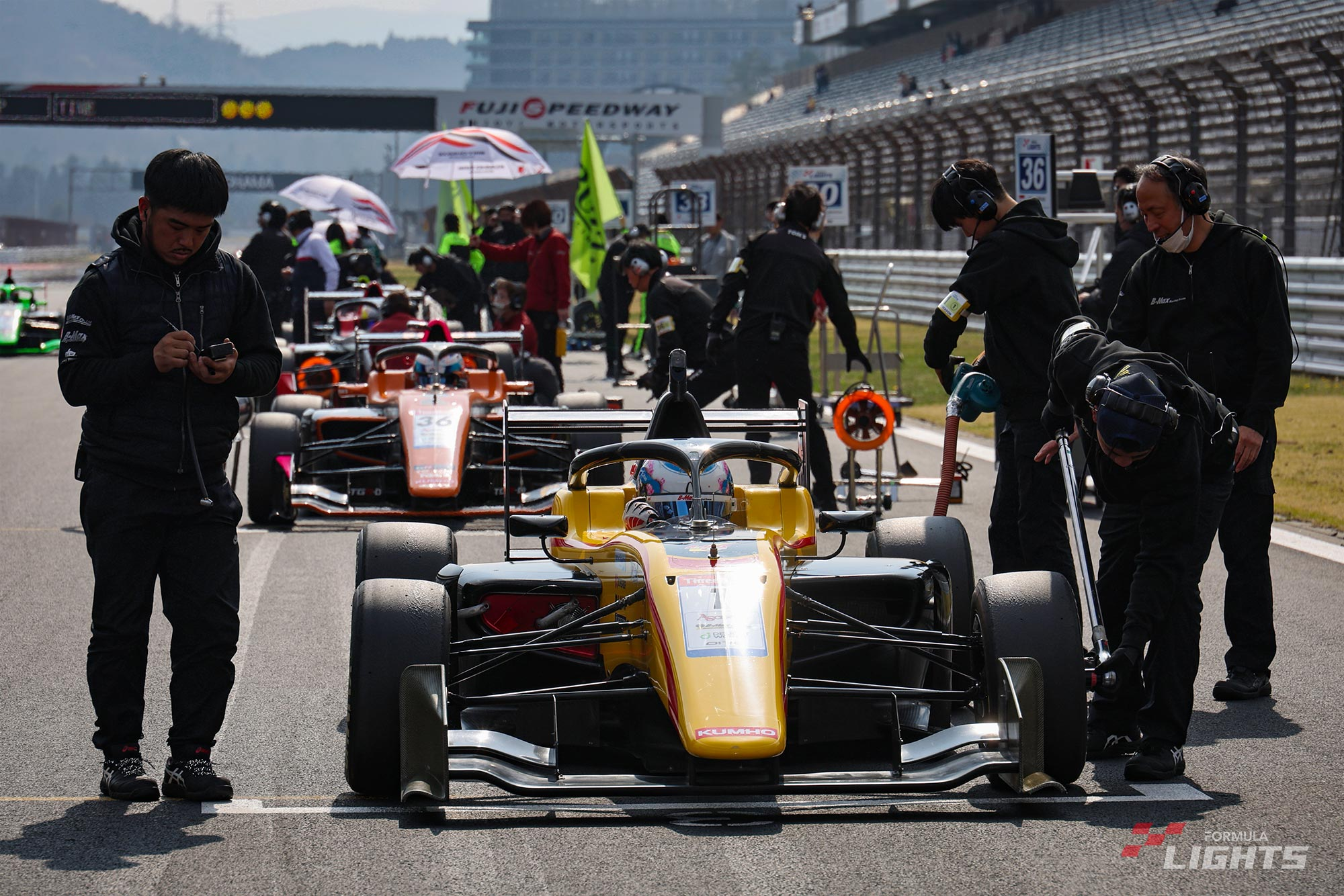
While Giltaire and Mitsui each have nine podiums, just one behind Umegaki’s field-high 10, Giltaire clearly lags in qualifying. Giltaire’s average position in the eight qualifying sessions so far is 3.6, behind Mitsui’s 2.3, Umegaki’s 2.4 and even Shimbara’s 3.3.
His race starts earlier in the season also weren’t the strongest – a common theme among drivers adapting to the Dallara 324 for the first time. Most of the positions Giltaire gained came after the starting sequences.
“I’m pretty bad at [the starts], and I improved quite well in the last meeting in Okayama,” Giltaire said. “I managed to get all three starts perfectly, but the highlight of the season is that we are pretty fast, missing a little bit in qualifying to start in the front, always on the first line.
“We missed a bit of points because of the starts and a couple of mistakes, but it’s part also of the challenge that you cannot do everything perfectly as a first year in Japan as a European guy. I’m pretty happy about it, and we need to focus to improve things for the last two meetings.”
Before racing in Japan, Giltaire competed in FR Europe and Middle East for two years. He kicked off his second year in the category in 2025 by winning the drivers’ championship in the Middle East, beating the likes of current F3 frontrunners Freddie Slater and Ugo Ugochukwu.
Giltaire was soon viewed as Slater’s main title rival in Europe, a label he upheld by taking the championship lead after the opening round at Misano with a win and a second-place finish.
But the season did not continue in the same manner. The Frenchman secured only three more podium finishes – all in the final three races of the season – and came just fifth in the drivers’ championship, 128 points behind champion Slater. A final outing with ART at the Macau Grand Prix yielded a sixth-place finish.
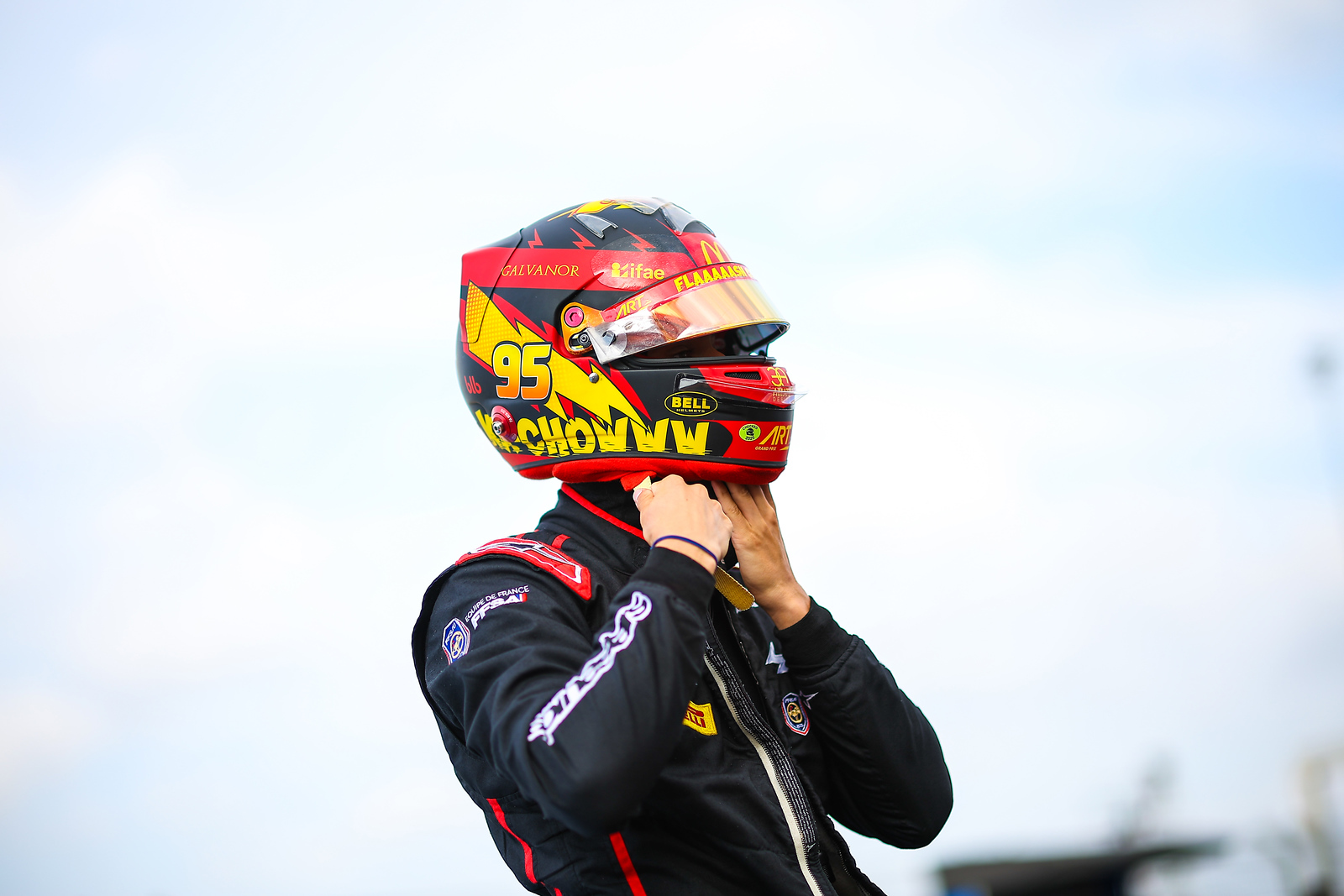
Either way, with that form, Giltaire would have been expected to step up to F3 in 2026. But what the public only found out as driver after driver got announced, Giltaire knew for much longer – his budget wouldn’t allow such a move, and he had to look for options elsewhere.
“Well, last year was a bit tough on my side to find the best solution,” Giltaire recalled. “For sure, we wanted, as all drivers, to stay in the good pyramid to go to Formula 1, so it means going through F3 and F2 in Europe. But as you know, the budgets are quite difficult, and we didn’t manage to get it with all the sponsors and with the financial part of ART.
“At the end, first of all, in terms of budget, it’s quite a good challenge for me to go to Japan and to stay in single-seaters.… Not talking about the budget part but also about the challenge, I think for a European driver to make one, two, three years in Japan is really helpful for your career and to build yourself even more harder, because you have to work a lot to beat the Japanese drivers.
“So I think both situations were 50-50, and I don’t regret at all the fact of going to Japan. I think it’s a really good challenge, but for sure, to stay in all the media parts, all everything, just to be close to Formula 1 is way better to be watched – even if I think Formula 1 is still looking at Super Formula Lights and even more in Super Formula.”
Giltaire wanted to stay in single-seaters despite having the opportunity to switch to endurance racing. Within his preferred route, he had two choices: either go to Super Formula Lights with B-Max Racing or move to the United States to race in IndyCar’s direct feeder series, Indy NXT.
“For everything, for sure, I wanted also to [stay] in single-seaters, so we forget directly about the endurance one,” Giltaire said. “And when we had the call to go in Japan – because Sébastian Philippe, the boss from ART, is pretty close to the Japanese culture and the Japanese people – we had the opportunity to test in B-Max with Honda, so it was the perfect option for me.
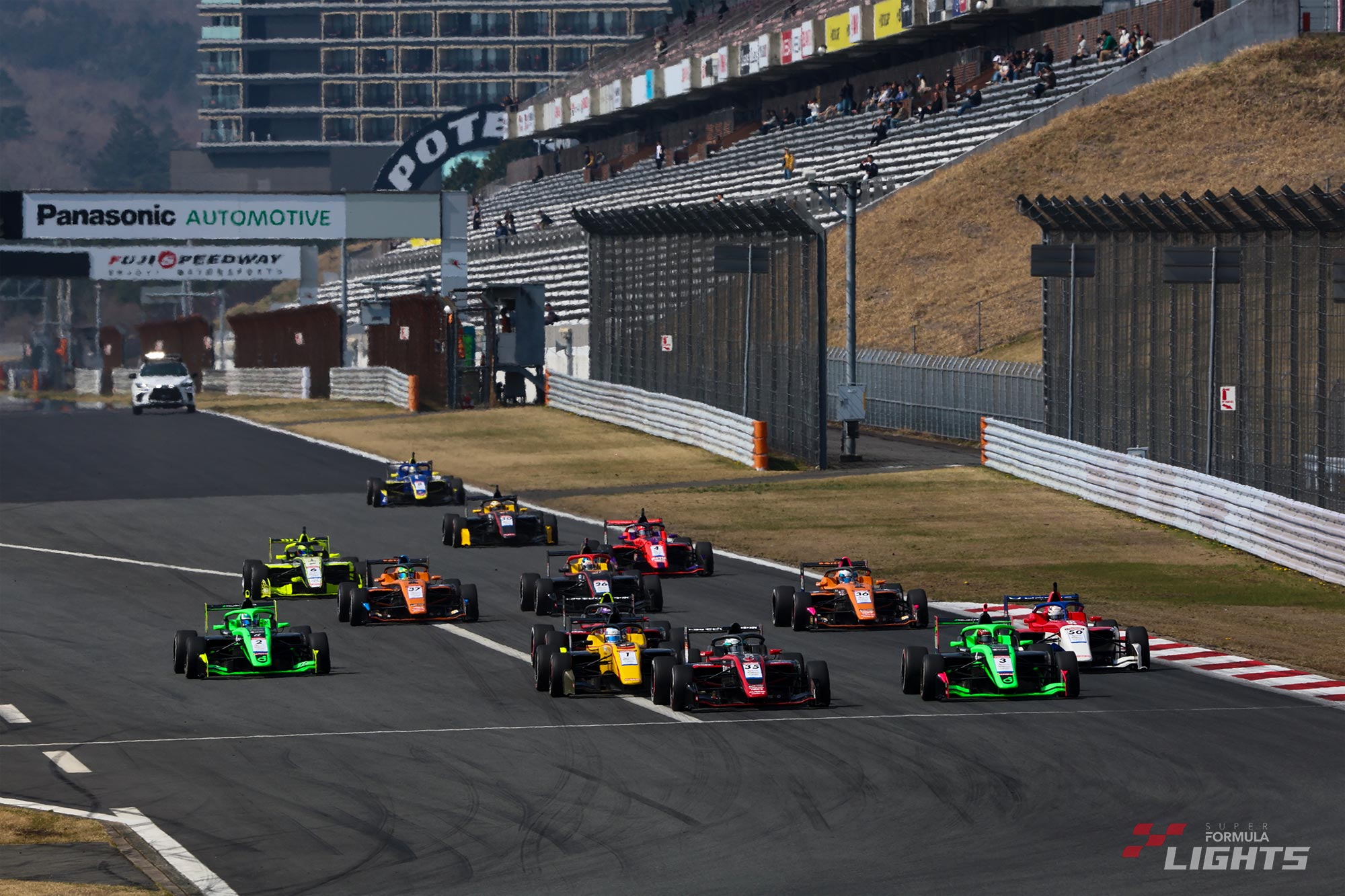
Far fewer Europeans follow Super Formula Lights than French F4, FR Europe and FR Middle East, Giltaire’s previous championships. Additionally, most drivers in SFL are still relative unknowns to Europeans. The broadcast only has Japanese commentary, and the grid barely cracks 10 drivers not in the masters’ class – a far cry from FR Europe’s 30-car totals. But the quality of the grid is far more than one third of FREC’s.
“For most of the people, they will say that there is not a lot of drivers on the grid, and that’s true. We are only approximately 10 drivers except the Masters Cup, so it’s way less than FRECA for sure,” Giltaire said. “I think FRECA, you also had a lot of big names and a bit more competition from first to 20, for example, because we are only 10. But I think in the top three or five in Super Formula Lights, depends on the circuit, and especially top three with Mitsui, myself and Umegaki. It’s pretty close, and they are really good, as I said, the Japanese drivers on their [circuits].”
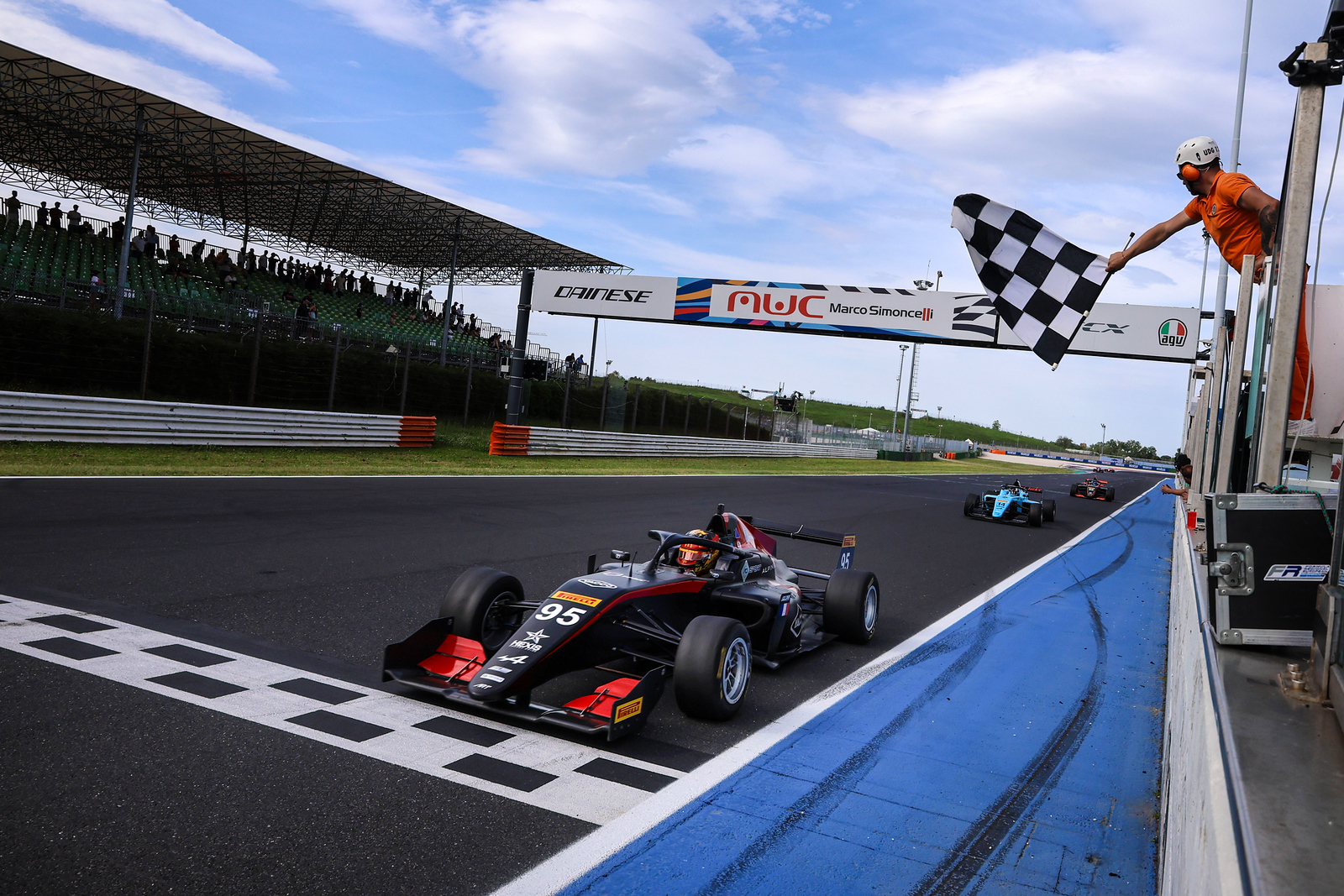
“I don’t think the [European] race teams are underrating Japan in general, because they know quite well that Super Formula … there is 20 cars with a lot of really good drivers coming from Formula 1 before, or didn’t have the chance to go to Formula 1, but some really good Japanese people,” Giltaire added.
“And also you have the story about some drivers like Pierre Gasly, nowadays Luke Browning and Zak O’Sullivan, that are coming to Japan to wait a little bit, maybe to find a place in Formula 1. So I think Formula 1 in general and the European paddock is looking pretty highly to the Super Formula and to the Super Formula Lights because they know inside that the level is quite good. I think the problem is that it’s also normal, because fans are looking more to Formula 1, first of all, but also to Europe.”
European drivers often have a hard time in Japan because of unfamiliarity. They are competing against drivers who have raced on the Japanese circuits – and in some cases only Japanese circuits – for years. Even single-seater racing in Japan does not usually begin in Japanese F4 but before that in Formula Beat, Super FJ or the F110 Cup, three championships designed to make the step into single-seaters a lot easier.
“They are struggling a little bit more in Europe, but that’s also the same challenge for them when they come to Europe than my challenge for me to come to Japan,” Giltaire explains. “They are really good on everything, and they know perfectly in terms of experience, the circuit, the track, the car, so it’s an advantage for them, but it’s not an excuse on my side. I need to work even harder to beat them.”
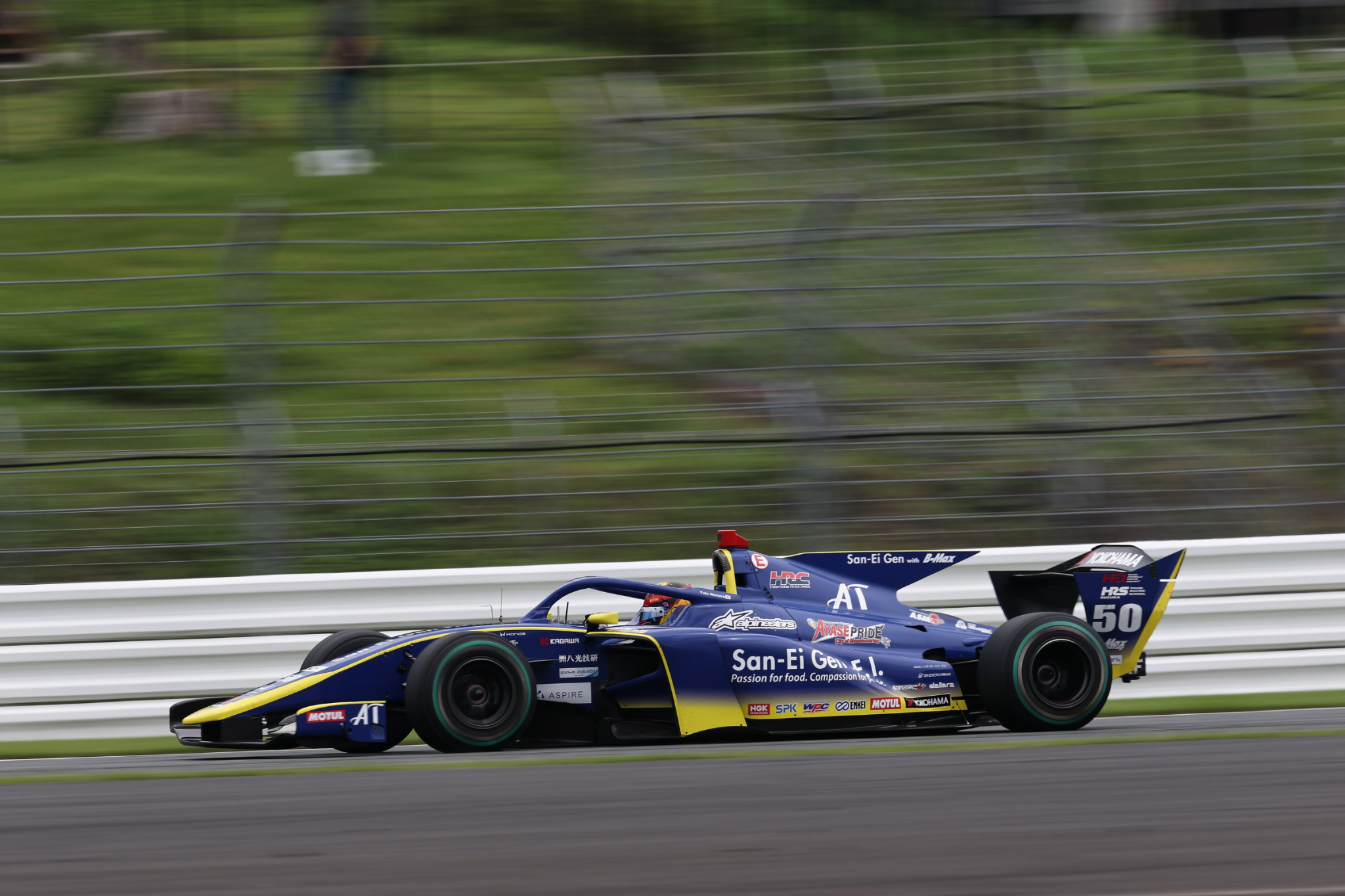
The highlight of Giltaire’s 2026 was certainly his opportunity to test a Super Formula car at the in-season test with B-Max Racing. It’s obvious in hindsight, but Giltaire wouldn’t have gotten the opportunity had he stayed in Europe. Giltaire finished fifth of 24 drivers in the final day’s morning session and left the test with a serious chance of earning a drive in Super Formula next year.
“I’m really happy about the performance,” he recalled. “P5 is a good result, but mainly the target of this test was to learn the car, to have the experience about this car and not to make really a good result at the end. That worked pretty well, but the main target was to try a lot of stuff, to have as much track time as possible, to not make any mistakes. I think it’s difficult to be a hero with only two hours in this car, especially when there is a driver that is doing that for 10 or 15 years, like [Kamui] Kobayashi or Kakunoshin Ohta, all those really fast guys, [or Ayumu] Iwasa.”
Funnily enough, Giltaire’s opportunity was not planned well in advance, as one might suspect. Instead, Giltaire was first hit with surprising and disappointing news: his team would not allow him to race in the 25 Hours Fun Cup race at Spa in Belgium, where his family team, No Limit Racing, had been preparing an entry.
Little did he know that his team had a surprise waiting for him.
“I asked the team if I could make a race in Belgium this weekend, and I wanted to know if I can have the acceptance of everybody,” he explained. “The B-Max crew didn’t allow me to do this race, and I was questioning myself about why they didn’t want me to do this race because I have nothing else to do and I can do this race. And they didn’t want to tell me before because it was a secret and they wanted to be sure that the opportunity was there and they were not at this moment.
“So they told me, ‘Wait a little bit. We have something to prepare.’ I said, ‘Okay.’ And yeah, like one and a half weeks before the test, they told me, ‘Okay, we didn’t want you to do this race. It’s because we are preparing a test for Super Formula.’ I said, ‘Okay, okay. Spa is not important anymore, haha.’ I prefer to do Super Formula so I can understand.”
With so little preparation time, Giltaire could not test in the simulator in advance, meaning he had to learn from a distance.
“It was a bit late to prepare. As you can imagine, I didn’t make any simulator or some things like this. I had to jump in the fastest plane to come back in Japan as early as possible,” Giltaire said. “In two days I managed to watch as many videos as possible and to look at as many data as possible with the engineer to learn everything about the car because it’s a completely different process to start and to make the car work. There are a lot of buttons. It’s a bit like an airplane. It’s a rocket ship at the end, so you have a lot of things to learn on it. And yeah, it has been a pretty intense two days!”
He wasn’t just there for the Super Formula test. On Monday and Tuesday, 29 and 30 June, Giltaire completed a test in Super Formula Lights machinery at Sugo. Tuesday night, Giltaire made the roughly 450-kilometre drive to Fuji Speedway and jumped in the Super Formula car in the morning.
“It was pretty much three, four days completely intense, but at the end, I’m happy to have worked with all the team so well to prepare this test with the condition that we had,” he said. “And hopefully, if there is another opportunity to do another test at the end of the season or something, I hope that we can manage to prepare better these things and to work even better to prepare myself.”
Giltaire, by the way, flew back to Paris on Wednesday evening, 1 July. He landed Thursday morning, 2 July, and got in the car, from which he did this interview… while driving to Spa-Francorchamps to compete in the Fun Cup race his team initially didn’t allow him to attend. He and his team brought home second place.
Header photo credit: Dutch Photo Agency
Make a one-time donation
Make a monthly donation
Make a yearly donation
Choose an amount
Or enter a custom amount
Your contribution is appreciated.
Your contribution is appreciated.
Your contribution is appreciated.

